

| Key Point | Details |
|---|---|
| Acquisition of STM | RedStone has acquired Security Token Market and TokenizeThis conference to boost its oracle business. |
| Historical Data | Includes extensive datasets with over 800 tokenized products related to assets like equities and real estate. |
| Key Personnel Changes | Herwig Konings joins RedStone as an adviser, and Jason Barraza takes a business development role focusing on institutional clients. |
| Oracle Network Functionality | RedStone’s modular oracle network supplies price and reference data crucial for smart contracts used in decentralized applications. |
| TokenizeThis Conference | Will continue as a standalone event focused on tokenized securities and RWAs, attracting various stakeholders in finance. |
| Growing Market | Recent trends show tokenized RWAs gaining traction, with Ethereum hosting about 60% of total issuance on public blockchains. |
| Institutional Tokenization | Major institutions are increasingly engaging in tokenization efforts, particularly on platforms like the Canton Network. |
Summary
RWA Tokenization represents a transformative development in how traditional assets are managed and traded through digital means. The acquisition of Security Token Market by RedStone exemplifies the industry’s commitment to enhancing the quality and comprehensiveness of datasets available for tokenized real-world assets. As tokenized RWAs continue to gain momentum, institutions are notably shifting towards blockchain platforms to modernize their financial services, showcasing a trend that promises to reshape the future of asset trading in decentralized finance.
RWA Tokenization is transforming the landscape of finance by bridging traditional assets with blockchain technology. This innovative approach enables the representation of real-world assets, such as real estate and equities, on decentralized platforms, enhancing liquidity and accessibility. With the recent RedStone acquisition of the Security Token Market, the integration of comprehensive datasets focused on tokenized assets becomes a game-changer for decentralized finance. The Canton Network stands out as a promising platform, facilitating the issuance of regulated assets by major financial institutions. As RWA Tokenization expands, it paves the way for a future where blockchain data and conventional investment opportunities seamlessly converge, creating more efficient financial markets.
The concept of tokenizing real-world assets, commonly referred to as digital representations of physical commodities, is gaining momentum within the financial sector. As institutions increasingly seek to leverage technology, the integration of on-chain asset connectivity becomes essential for modern trading. The acquisition of the Security Token Market by RedStone enhances its capabilities by providing crucial insights into tokenized assets, which include historical data on equities and real estate. Platforms like the Canton Network play a vital role in ensuring these digital assets are managed within a regulated framework, offering security and trust. Moreover, with the booming decentralized finance ecosystem, the opportunities for blending traditional investment practices with blockchain solutions are boundless.
Understanding RWA Tokenization and Its Impact on the Financial Landscape
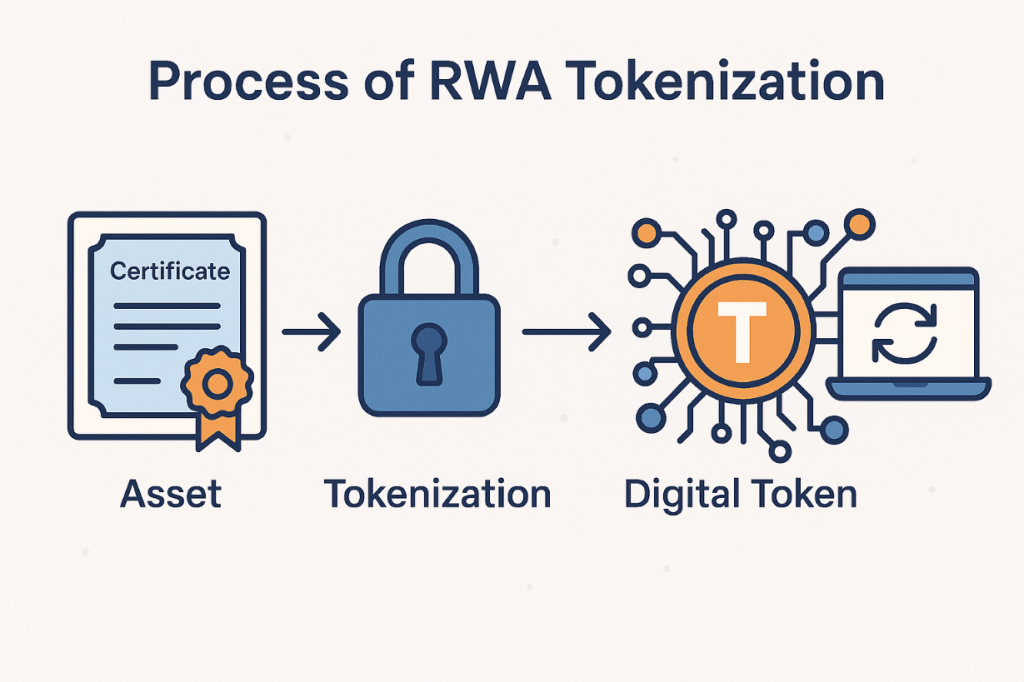
Real-world asset (RWA) tokenization is a groundbreaking process that allows physical assets—including real estate, equities, and commodities—to be represented as digital tokens on a blockchain. This form of tokenization democratizes access to investments, enabling smaller investors to partake in opportunities that were traditionally available only to institutional investors. As the crypto world evolves, this trend is simplifying the complexities associated with asset ownership and provides enhanced liquidity by allowing assets to be traded 24/7 in a decentralized finance (DeFi) ecosystem.
The impact of RWA tokenization extends beyond mere convenience; it enhances transparency and security in transactions. Utilizing blockchain technology ensures that every tokenized asset has a verifiable history, mitigating risks associated with counterfeiting and fraud. With traditional systems requiring extensive documentation and intermediaries, the streamlined nature of tokenization optimizes processes for both issuers and investors. The growing adoption of platforms like the Canton Network signifies a shift towards a more efficient market framework that integrates traditional assets into the realm of decentralized finance.
RedStone’s Strategic Move with TokenizeThis and RWA Data
RedStone’s acquisition of Security Token Market (STM) and its TokenizeThis conference marks a pivotal expansion of its data products within the blockchain space. By harnessing STM’s extensive dataset, which tracks over 800 tokenized assets, RedStone is positioned to deliver comprehensive insights and analytics on RWAs. This strategic move aligns with RedStone’s mission to provide accurate price and reference data to decentralized applications, enhancing the operational capabilities of smart contracts in valuing collateral and managing risk.
As tokenized assets gain traction in the financial ecosystem, the integration of STM’s historical data provides RedStone with an invaluable competitive edge. Institutions have often found it challenging to source reliable data on RWAs—RedStone’s robust data offerings will bridge this gap, ultimately fostering a more informed and efficient marketplace. Moreover, the continuation of the TokenizeThis conference promises to solidify RedStone’s standing in the sector, ensuring ongoing dialogues and insights into the future of tokenized securities and their role in the decentralized finance landscape.
The Role of the Canton Network in Institutional Tokenization
The Canton Network is emerging as a critical infrastructure supporting the tokenization of regulated assets by major financial institutions. Unlike public blockchains, which struggle with compliance and regulatory uncertainties, Canton offers a robust environment for institutions to securely issue and trade digital assets. The recent activities, such as Temple Digital Group’s launch of a private trading platform on Canton, exemplify the platform’s capability to facilitate seamless, non-custodial trading of tokenized RWAs, thereby enabling banks and asset managers to participate in this evolving asset class.
Additionally, the Depository Trust & Clearing Corporation (DTCC)’s plans to bring U.S. Treasury securities on-chain via Canton exemplify the platform’s significance. With DTCC processing quadrillions of dollars in securities transactions, its engagement with the Canton Network highlights the growing shift toward blockchain technology in securing transactions and enhancing operational efficiencies. This trend not only affirms the legitimacy of institutional engagement with blockchain data but also positions the Canton token as a vital asset in the new landscape of digital finance.
Enhancing Trust and Security in RWA Transactions
The trust and security provided by blockchain technology are pivotal in the realm of RWA tokenization. Tokenized assets, anchored by blockchain’s immutable ledger, ensure that every transaction is transparently recorded and easily auditable. This eliminates the risks associated with traditional asset transfers, where lengthy processes and multiple intermediaries can lead to human error or fraudulent activity. By leveraging the decentralized nature of blockchain, RedStone’s initiatives particularly enhance investor confidence, creating a more secure environment for engaging in complex financial products.
Moreover, the combination of RWA tokenization and decentralized finance has the potential to redefine asset management entirely. Smart contracts facilitate automatic execution of terms and conditions, thereby reducing the need for intermediaries. This automation not only lowers transaction costs but also speeds up processes, giving investors quick access to a range of products. With RedStone’s focus on integrating RWA data, stakeholders can expect a surge in innovative financial services designed to cater to the dynamic demands of modern investors.
Decentralized Finance: The Future of Asset Trading
Decentralized finance (DeFi) represents a revolutionary approach to asset trading, breaking away from traditional financial systems and empowering individuals with direct control over their investments. As RedStone expands its oracle network for providing vital data feeds, it plays a monumental role in enabling the seamless operation of DeFi protocols that rely on accurate historical data of RWAs. Platforms that utilize RWA tokenization can offer liquidity pools, lending options, and yield farming opportunities, contributing to a holistic ecosystem where assets are not only traded but actively leveraged.
Furthermore, the potential for innovative financial products within DeFi is immense. As tokenized RWAs grow in popularity, DeFi applications can introduce various yield-generating strategies that were previously unavailable in conventional financial markets. By fostering greater access and lowering barriers to entry, this wave of innovation signifies a shift towards a more inclusive financial ecosystem. Institutions venturing into DeFi through partnerships with firms like RedStone are not just adapting; they are enhancing their operations to align with the future of asset trading.
Tokenized Assets: Bridging Traditional Finance and Blockchain
The increase in tokenized assets represents a critical bridge between traditional finance and the burgeoning field of blockchain technology. By converting assets into digital tokens, institutions can leverage the efficiencies of blockchain while adhering to regulatory frameworks. RedStone’s acquisitions and initiatives are pivotal in this transition, as they enhance access to reliable data on tokenized RWAs, facilitating informed decision-making for investors and institutions alike. The historical insights provided by STM’s data are essential for understanding market dynamics and trends within this $60 billion asset class.
As traditional financial institutions interact more with blockchain data, the synergies between legacy financial systems and decentralized models will likely grow stronger. This integration allows for a holistic view of market conditions and enhances the liquidity and interactivity of financial products. With events like the TokenizeThis conference fostering knowledge-sharing between sectors, the ongoing collaboration will undoubtedly accelerate the adoption of tokenized assets in mainstream finance.
The Evolution of Asset Trading in the Digital Age
As we navigate the digital age, asset trading evolves significantly with the integration of blockchain technology and tokenization. Traditional methods of trading, characterized by lengthy settlement times and high transaction costs, are giving way to more streamlined processes through digital tokens representing real-world assets. RedStone, with its advanced oracle capabilities, is at the forefront of this transformation, offering vital data analytics that enhance the functioning of decentralized applications in trading environments.
The implications of this evolution extend to all market participants, from retail investors seeking accessible investment options to institutional players requiring rigorous analyses of tokenized RWAs. As the landscape continues to shift, a deeper understanding of both blockchain and traditional finance will be paramount. The collaboration across sectors will drive the development of financial tools, creating an ecosystem that not only provides enhanced efficiency but also caters to a wider demographic of investors, paving the way for a more for cultured and accessible trading environment.
Challenges in RWA Tokenization and Opportunities Ahead
Despite the promising growth of RWA tokenization, several challenges persist that stakeholders must navigate. Regulatory frameworks remain a stumbling block for many institutions looking to engage with tokenized assets, as compliance requirements can vary significantly across jurisdictions. Moreover, the need for standardized protocols and infrastructures, such as those provided by the Canton Network, is essential to facilitate smoother transactions and enhance the overall investor experience. RedStone’s acquisition aims to tackle these issues by providing critical data that helps bridge these gaps.
Nonetheless, the opportunities presented by RWA tokenization are vast. With institutions increasingly acknowledging the potential for digital assets to transform traditional financial models, we can anticipate a continued surge in innovations designed to ease compliance while maximizing transaction efficiency. Partnerships with data providers and advancements in blockchain infrastructure will play a vital role in this journey. By leveraging RedStone’s enhancements to its oracle network, the financial landscape stands to benefit from pioneering approaches that align with the principles of decentralized finance.
Decentralized Applications: Enabling Next-Gen Financial Services
Decentralized applications (dApps) are revolutionizing the way financial services operate by integrating advanced functionality through smart contracts. These applications allow users to engage in financial transactions without the need for intermediaries, reducing both costs and complexities. By utilizing RedStone’s oracle data, dApps can leverage off-chain information to support a wide range of services—from lending and borrowing to insurance products—creating a diverse ecosystem ripe for innovation.
With RedStone’s focus on tokenized RWAs, the potential for growth in dApp offerings is significant. Developers are empowered to create solutions that cater to the evolving demands of users, encouraging broader participation in markets previously limited by traditional finance’s barriers. As the market for tokenized assets expands, the opportunity for institutions and developers alike to create effective dApps will foster a more integrated approach to financial services, ensuring that the benefits of decentralization reach a wider audience.
Frequently Asked Questions
What is RWA tokenization and why is it important?
RWA tokenization refers to the process of representing real-world assets, such as equities and real estate, on a blockchain in the form of digital tokens. This is important as it enhances liquidity and accessibility of these assets, enabling decentralized finance (DeFi) applications to utilize them more effectively.
How does RedStone’s acquisition of the TokenizeThis conference impact RWA tokenization?
RedStone’s acquisition of TokenizeThis enhances its offerings in the RWA tokenization space by providing access to a comprehensive dataset focused on tokenized assets. This acquisition supports increased participation from institutional players in DeFi and strengthens the marketplace for tokenized RWAs.
What role does the Canton Network play in RWA tokenization?
The Canton Network serves as a regulated blockchain platform specifically designed for the tokenization of institutional assets. It enables major financial institutions to issue and manage tokenized RWAs securely, thus facilitating broader participation in digital asset trading.
What are the benefits of using blockchain data in RWA tokenization?
Utilizing blockchain data in RWA tokenization provides enhanced transparency, traceability, and security. It allows for accurate pricing and risk management through on-chain data feeds, making financial products derived from tokenized assets more reliable and efficient within decentralized finance frameworks.
How does RedStone’s modular oracle network support RWA tokenization?
RedStone’s modular oracle network delivers critical price and reference data necessary for RWA tokenization. This allows decentralized applications to access accurate and real-time off-chain information, crucial for pricing and collateral evaluations associated with tokenized assets.
What current trends are emerging in the market for tokenized RWAs?
Current trends indicate a growing adoption of RWA tokenization, particularly with Ethereum leading the way in public blockchain issuance. Additionally, the rise of private networks like the Canton Network highlights a shift towards more regulated and institutional-grade solutions for managing tokenized real-world assets.
What types of real-world assets can be tokenized?
Various types of real-world assets can be tokenized, including equities, real estate, debt instruments, and fund structures. The extensive dataset acquired by RedStone covers over 800 such tokenized products, showcasing the diversity within the RWA tokenization market.
How can institutions benefit from tokenized RWAs?
Institutions can benefit from tokenized RWAs through increased liquidity, easier access to capital, and improved efficiency in trading and managing traditional assets. Moreover, tokenization facilitates participation in decentralized finance networks, expanding investment opportunities.
What is the future outlook for RWA tokenization within decentralized finance?
The future outlook for RWA tokenization within decentralized finance is promising, with increased institutional interest and advancements in blockchain technology. As platforms like Canton Network evolve and more data becomes accessible, the integration and acceptance of tokenized real-world assets in financial services are expected to grow.
How does the acquisition of Security Token Market influence RWA data accuracy?
The acquisition of Security Token Market provides RedStone with extensive historical data on over 800 tokenized products, enhancing the accuracy and reliability of RWA data. This improved dataset allows for more comprehensive analysis and insights into the evolving market for tokenized assets.
Related: More from Altcoin News | Elon Musk’s Moon Mission: What You Need to Know About SpaceX’s Plans | Video Editing Features Set to Transform Content Creation with AI

