

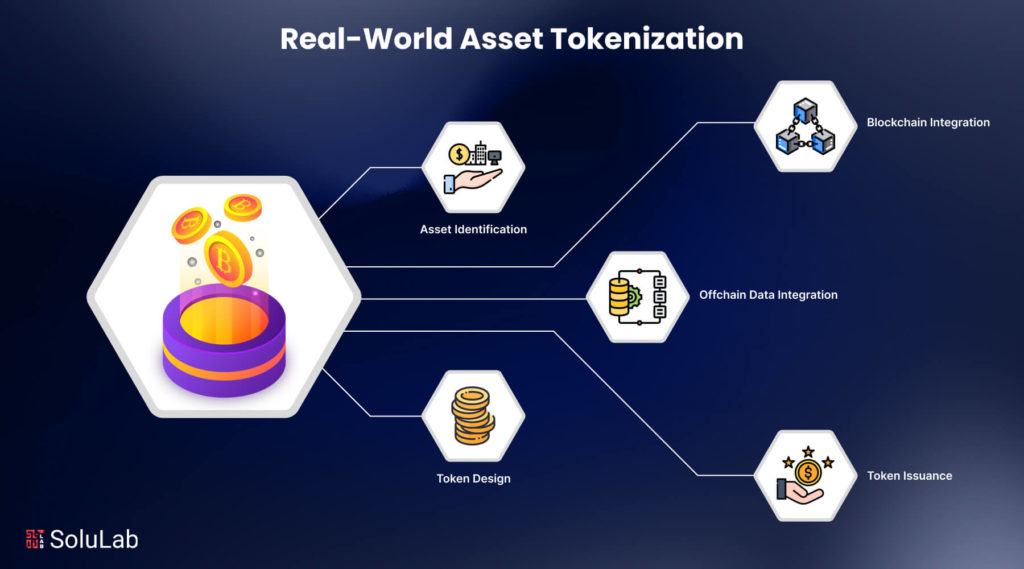

Real-World Asset tokenization is an emerging concept in which physical assets are digitized and represented on blockchain networks, allowing for fractional ownership and increased liquidity. However, recent indications from major financial associations in China suggest that regulators may impose strict limits on this innovative practice. With cryptocurrency restrictions taking center stage, these organizations have classified RWAs, along with stablecoins and other digital tokens, as risky business ventures. This shift raises significant concerns over RWA compliance risks, particularly as it underscores the need for sound regulatory frameworks to ensure investor protection. As the world witnesses the growing adoption of digital currencies, Chinese financial regulations appear to reflect a cautious approach towards integrating these technologies into their existing financial systems.

The concept of tokenizing real-world assets represents a transformative shift in how we manage ownership and investment in tangible goods. By creating digital representations of assets—like real estate, commodities, and art—individuals can now possess fractions of traditionally illiquid holdings. Nonetheless, the tightening of regulations surrounding such utilizations in key markets, especially China, raises questions about the future of this digital innovation. Interestingly, the evolving landscape also spotlights the delicate balance between fostering technological advancements and ensuring robust compliance mechanisms are in place. As governments worldwide grapple with implementing appropriate stablecoin regulations, the implications for RWA practices become ever more significant.
The Current Landscape of Real-World Asset Tokenization in China
Real-world asset tokenization (RWA) has emerged as a controversial topic within China’s financial framework. The recent pronouncement from prominent financial associations indicates a significant policy shift, categorizing RWAs not merely as innovative technologies but as risky business models fraught with compliance risks. This classification raises critical concerns regarding the legality and operational viability of RWAs under China’s current stringent financial regulations. The associations involved, including the China Banking Association and the Securities Association of China, are drawing attention to the potential for fraudulent assets and regulatory scrutiny, making this landscape increasingly precarious for stakeholders.
As the Chinese regulatory environment continues to evolve, participants in the RWA market must navigate an increasingly complex web of restrictions. The clear delineation of RWAs as a financing and trading activity often prohibited under existing laws means that any engagement with tokenized assets might expose businesses to potential legal ramifications. This newfound designation by regulators underscores the growing challenges posed by cryptocurrency restrictions and highlights how companies must prioritize compliance with China’s financial regulations. With the country’s regulatory authorities emphasizing their stance against unregulated activities, businesses must reassess their RWA strategies in light of these rapid changes.
Implications of Cryptocurrency Restrictions in the Chinese Market
Cryptocurrency restrictions in China are reshaping the landscape of digital finance and influencing the operational approaches of several businesses. The government’s crackdown has led to definitive measures against not only RWAs but also stablecoins, further entrenching the notion that unregulated digital asset activities are considered illegal. Stakeholders must now grapple with an uncertain future, as these restrictions can severely limit the scope of innovation within the financial technology sector. With the looming threat of regulatory penalties, firms are compelled to ensure that their practices align with the stringent controls imposed by the authorities.
Moreover, the ramifications of these restrictions extend beyond national borders, impacting international market dynamics. As China tightens its grip on cryptocurrency activities, there is a significant risk that this approach could ripple through global markets, affecting how other nations frame their regulations on cryptocurrencies and digital assets. As countries like the United States strive to establish their regulatory frameworks, the contrasting approach from China could spark a more protective stance globally, potentially stifling innovation and economic progress in the broader context of digital currencies.
Navigating Stablecoin Regulations in China and Beyond
Stablecoin regulations are becoming increasingly relevant in China as the central bank continues to stifle developments related to digital currencies. The People’s Bank of China has explicitly discouraged technology firms from pursuing stablecoin initiatives, thereby curtailing what could have been an avenue for financial innovation. These regulations reflect the broader anxieties surrounding financial stability, with authorities wary of the potential for stablecoins to disrupt traditional banking systems and create financial vulnerabilities. Businesses interested in exploring stablecoins must tread carefully to avoid running afoul of prohibitive regulations while also considering the compliance risks associated with these asset types.
In parallel, the global market for stablecoins is in flux, with many jurisdictions scrambling to develop robust regulatory frameworks. The challenges faced by Chinese firms could foreshadow obstacles that other nations might encounter while trying to establish their own policies regarding stablecoins. For instance, discussions in the United States’ Congress about the GENIUS Act may yield lessons in balancing innovation with necessary regulations. Participants in the stablecoin ecosystem must remain agile, adapting their strategies to meet emerging regulatory landscapes that aim to address the complexities and potential risks that accompany these new financial instruments.
The Role of Digital Yuan Adoption in China’s Financial Future
The digital yuan’s adoption marks a pivotal moment in China’s financial evolution, showcasing the government’s intentions to modernize its payment systems while maintaining regulatory control. As Chinese commercial banks begin to offer interest on balances held in digital yuan wallets, financial institutions are increasingly incentivized to embrace digital currencies. This shift could reaffirm China’s commitment to integrating digital finance into everyday transactions, providing a parallel to the global trend of adopting central bank digital currencies (CBDCs). The introduction of interest incentives may further encourage adoption, potentially positioning the digital yuan as a viable alternative to traditional currency.
However, as the digital yuan gains traction, it simultaneously raises questions about the interplay between state-controlled digital currencies and the burgeoning decentralized cryptocurrency market. While the digital yuan presents a controlled means of facilitating transactions, its rise could also spark scrutiny over how traditional financial frameworks can coexist with decentralized systems. Authorities may need to strike a delicate balance between ensuring the safety and security of digital currency operations while promoting technological progression. As the landscape continues to evolve, the implications for both consumers and businesses will become increasingly profound, particularly within the realms of RWA and cryptocurrency regulations.
Compliance Risks Associated with Real-World Asset Tokenization
Navigating compliance risks in real-world asset (RWA) tokenization is paramount for organizations looking to interact with digital assets in China. As the regulatory landscape intensifies, businesses must adopt a proactive approach to identify and mitigate potential pitfalls associated with RWA initiatives. Understanding the specific restrictions imposed by financial authorities is critical, especially considering the prevailing perception that unapproved tokenization activities bear inherent risks. Companies must establish robust compliance frameworks, ensuring adherence to national laws while also addressing concerns related to fraudulent assets, operational failures, and speculative hype.
In addition to legal compliance, businesses should be mindful of the broader implications of engaging in the RWA space. The risk of regulatory penalties not only threatens financial stability but can also inflict reputational damage that reverberates throughout the industry. It is essential for companies to cultivate transparent relationships with regulators and implement rigorous internal controls to safeguard against compliance risks associated with RWA tokenization. By fostering a culture of compliance, organizations can not only navigate the current landscape but also prepare for any future regulatory developments on the path to integrating Digital Yuan and RWAs.
The Global Response to Digital Currency Regulations
As nations worldwide grapple with the complexities of digital currencies, the global response to regulations is fraught with contrasting approaches. For instance, while China has taken a stringent stance against cryptocurrency operations, other countries, such as the United States and those in Europe, are working towards establishing regulatory frameworks that balance innovation with consumer protection. This divergence raises questions about how global markets will respond to varying regulatory environments, particularly as businesses seek to operate across borders. The differences underscore the necessity for multinational companies to navigate disparate regulations to ensure compliance while fostering growth in the evolving digital asset landscape.
Furthermore, the ongoing discussions about regulations present a unique opportunity for nations to collaborate and establish cohesive guidelines that could ultimately benefit the global economy. The possibility of creating international agreements on digital currency regulations may help harmonize the varying approaches observed in different countries, enhancing stability within the financial sector. As nations work to define their positions on cryptocurrencies and stablecoins, the need for collaborative dialogue between regulators, financial institutions, and technology firms becomes increasingly evident. Global stability in the digital currency market may hinge on the ability of international players to work together amid diverse regulatory agendas.
The Impact of RWA Regulation on Financial Innovation
The newly intensified regulations on real-world asset (RWA) tokenization pose challenges that could significantly impact financial innovation in China. By categorizing RWAs as risky business models, regulatory authorities are effectively stifacing the potential for creative financial solutions that could facilitate investment and asset management. This environment of uncertainty may discourage firms from pursuing innovative projects that involve the tokenization of tangible assets, thus limiting opportunities for diversification and market growth. Businesses now face the pressing need to innovate within the confines of restrictive legal frameworks, which may prove to be a formidable barrier to the advancement of new financial technologies.
Moreover, as RWA tokenization faces increasing scrutiny, firms are called to rethink their approaches to product development and market strategy. The emphasis on compliance risks alongside the regulatory prohibitions can create an environment where companies become overly cautious, stifling the experimentation that typically fuels innovation. As businesses navigate this complex landscape, they must remain vigilant in seeking alternative pathways for growth that align with consumer needs while also adhering to regulatory guidelines. Consequently, the development of new financial instruments may be curtailed in the absence of a clear regulatory pathway that supports rather than hinders innovation.
China’s Financial Regulatory Climate Amid Global Digital Currency Trends
China’s regulatory climate around digital currencies stands in stark contrast to broader global trends, where many nations are engaging in the exploration of innovative financial technologies. As regulators in the United States and Europe strive to establish comprehensive frameworks for cryptocurrencies and stablecoins, China is tightening its grip, particularly against RWAs and related activities. This divergence has profound implications for the global digital currency landscape, creating an ecosystem where innovation thrives in some jurisdictions while stagnation occurs in others. Recognizing the transformative potential of digital currencies, global stakeholders must keep a close watch on China’s regulatory developments and the lessons learned from this restrictive environment.
Furthermore, the global implications of China’s stringent regulations suggest a cautionary tale for other nations considering similar approaches. Trends in China often reverberate through international markets, prompting other countries to recalibrate their regulatory stances based on perceived risks and benefits. As the dialogue surrounding digital currencies expands, it becomes essential for regulators to assess the long-term impacts of restrictive policies on the adoption of new financial technologies. Future regulatory frameworks must balance the imperative of risk management with the essential need for innovation to remain competitive in a rapidly evolving global financial landscape.
Frequently Asked Questions
What are the implications of China’s financial regulations on Real-World Asset tokenization?
China’s financial regulations impose significant restrictions on Real-World Asset (RWA) tokenization activities, categorizing them as risky and illegal under current law. The major financial associations in China no longer classify RWAs as new technology but as prohibited financing and trading activities. This shift indicates that participants in RWA endeavors could face severe regulatory actions.
How do cryptocurrency restrictions in China affect Real-World Asset tokenization?
Cryptocurrency restrictions in China directly impact Real-World Asset tokenization by classifying such activities as illegal. The country’s regulators view RWAs alongside stablecoins and other tokens with dubious value as risky ventures, effectively barring any tokenization efforts without prior approval from financial authorities.
What are the compliance risks associated with Real-World Asset tokenization in light of China’s regulations?
The compliance risks associated with Real-World Asset tokenization include potential legal repercussions, operational failures, and the risk of fraudulent assets. Under the strict regulatory landscape in China, engaging in RWA activities could lead to challenges with compliance as there are no approved tokenization initiatives currently permitted.
How does the adoption of the digital yuan affect Real-World Asset tokenization?
The adoption of the digital yuan impacts Real-World Asset tokenization by presenting a more regulated alternative for financial transactions. As China’s central bank encourages the use of the digital yuan, the regulatory focus on tokenization increases, leading to a more challenging environment for RWAs amidst extensive government scrutiny.
What should investors know about stablecoin regulations in China relative to Real-World Asset tokenization?
Investors should be aware that recent stablecoin regulations in China indicate a strong governmental stance against Real-World Asset tokenization. The financial organizations in China have labeled RWAs and stablecoins as illegal activities, creating a highly restrictive environment for any investment strategies involving tokenization in this context.
What challenges does Real-World Asset tokenization face under China’s legal framework?
Real-World Asset tokenization is faced with numerous challenges under China’s legal framework, including stringent restrictions that designate it as a high-risk activity. The lack of regulatory approvals and the classification of RWAs as illicit financing present substantial barriers for businesses and investors looking to engage in tokenized assets.
How are China’s recent policy changes viewed concerning global trends in digital currencies?
China’s recent policy changes regarding Real-World Asset tokenization reflect a more cautious and restrictive approach amid global trends in digital currencies. While other nations, like the U.S., are exploring frameworks for stablecoin regulation, China’s regulators appear to be taking a hardline stance, prioritizing financial stability and risk reduction over innovation.
| Key Points |
|---|
| China’s financial associations classify Real-World Asset (RWA) tokenization as a risky business model. |
| Regulatory authorities consider RWAs, stablecoins, and certain tokens illegal activities in the context of cryptocurrencies. |
| RWAs carry multiple risks including fraud, operational failures, and speculative hype, which have not been addressed by approved activities. |
| China’s policy shift indicates an outright prohibition of RWA activities, emphasizing financial risks over technological advancements. |
| The regulatory landscape for digital currencies is tightening globally, with the US also contemplating regulations like the GENIUS Act. |
| Chinese banks are permitted to offer interest on digital yuan wallets, showcasing progress in digital currency adoption. |
Summary
Real-World Asset tokenization is facing significant regulatory hurdles in China as financial industry associations have recently declared it a risky business model. The shift in perspective from viewing RWAs as a novel technology to categorizing them under illegal activities highlights the increasing scrutiny from regulators. This indicates a broader trend where countries are grappling with the governance of digital currencies, as demonstrated by China’s stringent stance and ongoing discussions in the United States surrounding stablecoin regulation. As the global landscape evolves, stakeholders must navigate these complex regulations to avoid potential risks associated with Real-World Asset tokenization.
Related: More from Regulation & Policy | EU Crypto Taxes: Practical Implications Explained | UK FCA to Consider Cryptos for Gambling Payments