
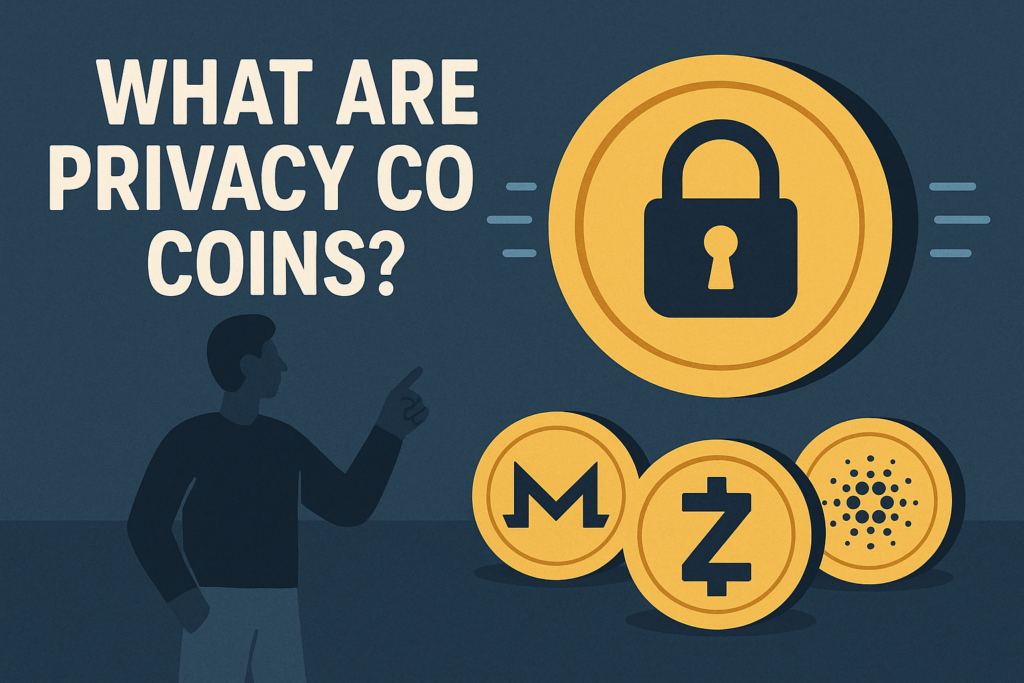

Privacy coins are gaining increasing attention in the cryptocurrency landscape, especially in the context of illicit fund flows following hacks. These privacy-focused cryptocurrencies, such as Monero and Zcash, are engineered to obfuscate transaction details, making them appealing to hackers looking to launder stolen funds. As investigations into crypto laundering become more sophisticated, the role of privacy coins has evolved, acting as a critical link in the chain of post-hack fund movements. These coins not only help mask the trail of illicit activities but also complicate the tracking process for law enforcement. Understanding the nuances of privacy coins is essential as they continuously reshape discussions surrounding regulatory measures and the future of cryptocurrencies.

When discussing privacy coins, one might refer to them as anonymous cryptocurrencies or privacy-centric assets that prioritize user confidentiality. These digital currencies are designed to enhance the secrecy of transactions, making them attractive for various purposes, including the evasion of scrutiny in post-hack financial movements. In the realm of cryptocurrency, terms like privacy-focused cryptocurrencies underscore their primary function: to conceal transaction details from prying eyes. This makes them particularly valuable in scenarios such as crypto laundering, where discretion becomes paramount. As the dialogue around digital assets progresses, understanding the implications of these anonymity-enhancing technologies is vital for both users and regulators alike.
| Key Points | Explanation |
|---|---|
| Role of Privacy Coins | Privacy coins are a part of a broader laundering process, providing a temporary black box that disrupts traceability. |
| Funds Movement Process | Scammers consolidate stolen funds, obfuscate them, chain-hop, and then introduce privacy layers before cashing out. |
| Visibility Reduction | Privacy coins hide transaction details, making traditional blockchain analytics ineffective post-theft. |
| Attribution Breaking | By using various techniques, including privacy coins, scammers can complicate tracking back to the original source. |
| OTC Market Leverage | Privacy coins provide anonymity, facilitating negotiations in OTC and P2P markets where traditional vetting is weak. |
| Regulatory Impact | Increased scrutiny on mixers forces illicit actors to shift to privacy coins, enhancing their flow. |
| Limitations of Privacy Coins | Despite their use, large amounts of crypto often revert to major currencies for liquidity. |
Summary
Privacy coins are often leveraged by scammers after hacks due to their unique characteristics that help obscure transaction trails. They serve a crucial role in the broader framework of cryptocurrency laundering, allowing for reduced on-chain visibility and breaking attribution links, which complicates the process of tracing back to the original stolen assets. However, their use is constrained by liquidity issues and regulatory scrutiny, indicating that they are not a standalone solution for hackers, but rather part of a more sophisticated multi-stage laundering approach.
Understanding the Role of Privacy Coins in Crypto Laundering
Privacy coins have emerged as pivotal tools in the world of crypto laundering, especially following significant hacks. These cryptocurrencies, which include notable names like Monero and Zcash, serve as a critical layer in the laundering pipeline. By obscuring transaction details and masking the identity of users, they create a ‘black box’ that makes it difficult for investigators to trace the flow of stolen assets. This function is particularly beneficial for malicious actors in the aftermath of a hack, where quick actions are needed to dissipate the visibility of illegally obtained funds.
The manner in which privacy coins interact with illicit fund flows is complex. Instead of being the first stop after a hack, they are typically employed after an elaborate process of consolidation and obfuscation has already taken place. By the time money reaches privacy coins, it has often passed through several layers of transactions, utilizing techniques like swaps and bridges to impede tracking efforts. This multi-faceted approach significantly complicates tracing back to the original source of the funds, which is exactly what makes privacy coins attractive to scammers.
Frequently Asked Questions
Why do privacy coins like Monero and Zcash frequently appear in crypto laundering after hacks?
Privacy coins such as Monero and Zcash often surface in crypto laundering schemes due to their ability to obscure transaction details, making it difficult for regulators to trace stolen funds. After hacks, scammers use these currencies as part of a multi-step laundering process that includes consolidation and obfuscation to delay detection and blacklisting.
What role do privacy-focused cryptocurrencies play in post-hack fund flows?
Privacy-focused cryptocurrencies function as a crucial layer of obfuscation in post-hack fund flows. After consolidating funds into fewer wallets and executing swaps across different blockchains, scammers convert some of the assets into privacy coins to minimize on-chain visibility and disrupt traceability, complicating forensic investigations.
How do privacy coins help with breaking attribution links in crypto laundering?
Privacy coins assist in breaking attribution links by allowing scammers to obscure the origin of the funds after a hack. By using techniques like chain hopping and integrating privacy layers into their laundering strategies, they create complex trails that obscure the relationship between the original hack and the final asset exchange.
Are there legitimate uses for privacy coins besides crypto laundering?
Yes, there are legitimate uses for privacy coins. They can protect trade secrets in commercial transactions, safeguard individuals from intrusive surveillance, and reduce the visibility of personal wealth to prevent targeted theft. However, regulatory scrutiny is heightened when these technologies are exploited for illicit purposes.
What challenges do regulators face regarding the use of privacy coins in illicit activities?
Regulators struggle to effectively address the use of privacy coins in illicit activities because criminals quickly adapt their laundering techniques in response to regulatory actions. Attempts to crack down on one laundering method can lead to the emergence of alternative routes, making it a dynamic challenge for enforcement agencies.
How do hackers typically implement privacy coins in their laundering processes after a hack?
Hackers often implement privacy coins in their laundering processes by first consolidating stolen funds into fewer wallets, then obfuscating the source through multiple transfers and swaps before introducing privacy-focused cryptocurrencies. This method reduces visibility and complicates tracing efforts by authorities.
What are the limitations of privacy coins like Monero and Zcash as laundering tools?
Despite their benefits, privacy coins like Monero and Zcash have limitations as laundering tools due to reduced trading volumes, limited exchange listings, and increased scrutiny from regulators. Scammers typically prefer to revert to more liquid assets for final cash-out to avoid detection, making privacy coins a transient part of the laundering process.
What steps do cryptocurrency exchanges take to monitor the flow of privacy coins?
Cryptocurrency exchanges enhance transaction monitoring and risk assessments to reduce exposure to high-risk inflows associated with privacy coins. They implement compliance measures aligned with jurisdictional standards, such as the Travel Rule, to effectively track and manage transactions involving these assets.
What are the common behaviors associated with crypto laundering involving privacy coins?
Common behaviors in crypto laundering involving privacy coins include rapid dispersal of assets across multiple wallets, strategic reaggregation of funds, and leveraging chain hopping to obscure the transaction history. Scammers often use a mixture of mainstream and privacy-enhanced coins to achieve their laundering objectives.
How do privacy coins impact the effectiveness of blockchain analytics?
Privacy coins significantly reduce the effectiveness of blockchain analytics by obscuring transaction details such as sender, receiver, and amount, making it challenging for analysts to track funds. This lack of transparency hampers traditional forensic techniques, complicating investigations into illicit activities.