

Prediction markets are rapidly gaining traction as a unique platform for speculative trading, leveraging blockchain technology to create decentralized environments for forecasting future events. These markets do not just serve as a new venue for crypto speculation; they also present distinct arbitrage opportunities that can attract qualitative and quantitative traders alike. Recent reports indicate that these innovative platforms experience extreme information asymmetry, where retail investors often lag behind well-informed traders, thus highlighting the risks of insider trading. For example, the decentralized prediction market Polymarket has shown traders that a small bet can yield an enormous return if they accurately predict events, such as the valuation of popular tokens like BNB. As these dynamics unfold, understanding the implications of engaging in prediction markets becomes crucial for speculators seeking to navigate this evolving landscape effectively.
Also referred to as speculative markets or forecasting platforms, prediction markets enable participants to place bets on the outcomes of uncertain events, aggregating collective knowledge into actionable insights. These platforms are particularly relevant in today’s digital trading ecosystem, where traders analyze trends and data to maximize their gains. With the integration of blockchain technology, the landscape of these markets is revolutionizing how participants engage in financial predictions, offering a transparent and secure trading environment. As traditional investors face challenges in other markets, the allure of leveraging cognitive biases and market signals through these prediction markets presents new avenues for profit generation. However, the growing prominence of sophisticated trading strategies raises questions about the potential pitfalls of engaging in these speculative arenas.
Understanding Prediction Markets in Today’s Crypto Landscape
Prediction markets are revolutionizing the landscape of crypto speculation by harnessing the power of decentralized technology. These markets allow individuals to bet on the outcomes of future events, creating a unique financial instrument that deviates from traditional investment channels. As blockchain technology continues to advance, the integration of prediction markets provides speculators an engaging alternative to standard cryptocurrency trading, introducing opportunities that are not only enticing but also complex.
With the rise of blockchain prediction markets, traders are leveraging algorithms and data analytics to forecast events with greater accuracy. These markets empower quantitative traders to capitalize on discrepancies between expected and actual outcomes, particularly with assets like the BNB token. The success of predicting events hinges on a myriad of factors, including market sentiment, data availability, and sometimes even insider knowledge, making prediction markets a double-edged sword in the growing sphere of crypto.
Arbitrage Opportunities: Navigating the New Frontier
The current state of prediction markets is characterized by notable arbitrage opportunities, driven largely by the disparities that exist between different platforms. These variations create a playground for traders who can leverage their knowledge, skill, and technological tools to purchase undervalued shares on one platform and sell them at a higher price on another. This practice not only enhances liquidity in the market but also presents a lucrative chance for those with the expertise to identify and act upon these gaps.
However, while arbitrage can yield significant profits, it is essential to approach these opportunities with caution. The potential for volatility in predictions and the risk of market manipulation poses considerable threats, particularly for retail investors. They may lack the resources and connections available to larger, more sophisticated traders. Understanding these dynamics is crucial for anyone looking to navigate the complexities of arbitrage within blockchain prediction markets, as improper strategies could lead to financial losses.
The Role of Quantitative Traders in Prediction Markets
Quantitative traders play a significant role in the operation and success of prediction markets today. By utilizing sophisticated algorithms and data analysis techniques, these traders can assess massive datasets to uncover patterns that may indicate likely events or outcomes. This ability to dissect information quickly gives them a distinct advantage over the average retail trader, who might not have access to the same resources or analytical tools.
These professional traders are particularly well-positioned to exploit the inconsistencies often found in market pricing. For instance, on platforms like Polymarket, some quantitative traders have reported astronomical win rates, raising concerns about the implications of their trading strategies, which may involve leveraging proprietary machine learning models. The competitive edge provided by such technology highlights the stark divide in capabilities between average speculators and those employing advanced quantitative methods in the prediction market sphere.
The Intrigue of Insider Trading Risks
As prediction markets gain traction, the shadows of insider trading come into focus, presenting significant risks for market integrity. The success stories of certain traders, particularly those achieving astounding win rates, elicit skepticism regarding the ethical implications of their market maneuvers. The case of Polymarket user AlphaRaccoon, who reportedly made over $1 million in a single day, raises questions about the information flow and the potential exploitation of undisclosed insights leading to their outsized gains.
Insider trading poses severe risks, wherein privileged information can distort the intended fairness of prediction markets. If unchecked, such actions could deter speculative interest from average traders, ultimately affecting liquidity and the market’s reliability. Thus, as more investors enter the realm of prediction markets, establishing robust regulatory frameworks to combat these risks will be important to maintaining a level playing field and fostering a trustworthy marketplace.
Speculation Beyond Traditional Crypto Strategies
The shift towards blockchain prediction markets signifies a meaningful evolution in the way traders approach speculation. Unlike traditional cryptocurrency trading, which often relies on market movements and news-driven sentiment, prediction markets encapsulate a broader spectrum of potential outcomes that can range from political events to technological advancements. This diversification not only appeals to seasoned traders but also attracts newcomers eager to explore less conventional avenues for investment.
As trading strategies evolve, the emphasis on data-driven decision-making becomes increasingly apparent. Investors are now required to familiarize themselves with the indicators driving market trends in prediction markets. This includes understanding the events being predicted, analyzing how external factors might influence results, and leveraging historical data to inform better trading decisions. Thus, speculation in prediction markets presents an educational opportunity for traders wishing to expand their skills and adapt to the ever-changing landscapes of financial markets.
The Mechanisms Behind Market Dynamics
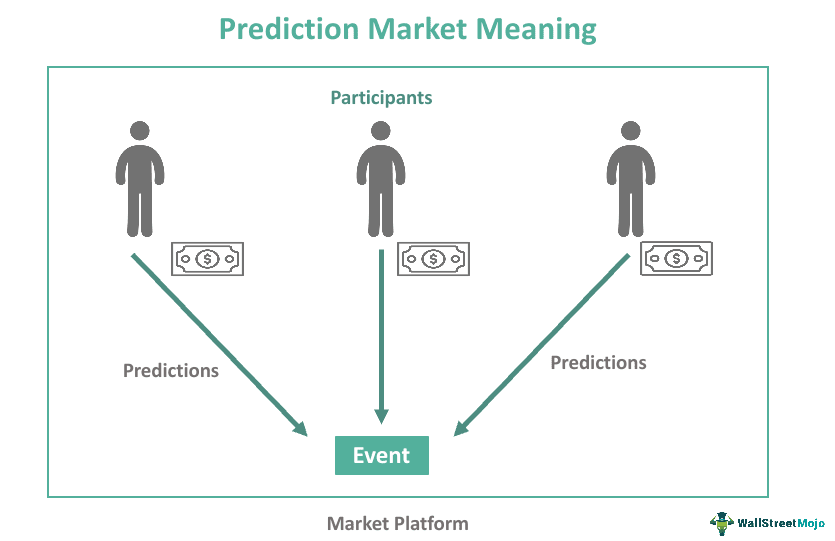
The functioning of prediction markets is fundamentally tied to the behavior of market participants and the mechanisms they use to place trades. Participants contribute to price discovery by betting on potential outcomes, and the aggregated market sentiment subsequently influences the share prices of corresponding predictions. This intricate interplay creates a dynamic environment where prices reflect not just probabilities of outcomes, but also the collective wisdom of participants involved in the market.
Understanding these market mechanisms is crucial for anyone aiming to engage with prediction markets effectively. Knowledge of how trades impact market prices, the transparency of bet outcomes, and even the timing of trades can all affect an investor’s return. Moreover, being responsive to shifts in market sentiment, driven by incoming data or news reports, serves as an essential strategy for maximizing profits in these speculative arenas.
The Impact of Technology on Prediction Markets
The integration of technology in prediction markets has transformed trading practices, providing analytical tools that enhance the trading experience. Traders now have access to advanced software and platforms that offer real-time data analytics, machine-learning algorithms, and predictive modeling capabilities. This technological evolution allows for swift decision-making and better hypothesis testing, which are crucial for taking advantage of the rapid fluctuations characteristic of these markets.
As technology continues to develop, the barriers to entry for participating in prediction markets are gradually lowering. With user-friendly interfaces and comprehensive tutorials, even novice traders can engage with these markets effectively. This democratization of information and tools not only levels the playing field but also enhances overall market liquidity as more traders partake in this evolving financial ecosystem.
Navigating Legal and Regulatory Issues
The rise of prediction markets has triggered significant discussions about the legal and regulatory frameworks that govern them. Since these markets operate differently than traditional betting and trading platforms, they often fall into gray areas regarding legislation and compliance. Navigating these legalities is essential for traders to avoid potential pitfalls, particularly as regulators begin to scrutinize the implications of financial technology on market integrity.
Ensuring compliance with existing financial regulations, such as those related to securities trading or gambling laws, poses a challenge for platforms operating prediction markets. Regulatory clarity is vital for fostering a safe trading environment and encouraging broader participation. As these markets mature, collaboration between market participants and regulatory bodies will be essential to creating a standardized approach that promotes growth while safeguarding against potential abuses.
The Future of Prediction Markets in Cryptocurrency
Looking ahead, the future of prediction markets in cryptocurrency appears promising, with ongoing innovation and growing acceptance among traders. As blockchain technology matures, the capabilities of prediction markets are likely to expand, offering more diverse opportunities for investors. With greater participation from institutional players, fueled by developments in machine learning and analytics, we can anticipate an increasingly competitive and dynamic trading environment.
This future may also entail the implementation of enhanced security measures and regulatory oversight to safeguard the interests of participants. By prioritizing transparency and fairness, prediction markets could establish themselves as a legitimate segment of the financial landscape, akin to traditional stock markets. Therefore, traders and investors should remain vigilant and adaptive, embracing the changes and opportunities that lie ahead in this evolving sector.
Frequently Asked Questions
What are blockchain prediction markets and how do they work?
Blockchain prediction markets are decentralized platforms where participants can speculate on the outcome of future events using cryptocurrencies. Users create markets for different events and trade shares based on their predictions. The decentralized nature ensures transparency and security, as transactions are recorded on the blockchain.
What are the arbitrage opportunities in prediction markets?
Arbitrage opportunities in prediction markets arise when there are discrepancies between the predicted probabilities of events and actual market outcomes. Traders can capitalize on these differences by buying low and selling high, often using quantitative strategies to identify profitable trades.
How do quantitative traders benefit from prediction markets?
Quantitative traders leverage data analysis and algorithms to gain an edge in prediction markets. By analyzing trends, price movements, and probabilities, they can identify asymmetric returns and optimize their trading strategies, often outperforming retail speculators.
Are there risks of insider trading in prediction markets?
Yes, there are risks of insider trading in prediction markets, as some users may have access to information not available to the general public. This can lead to significant profits for those who leverage confidential insights, raising concerns about the fairness of the trading environment.
How does crypto speculation work in prediction markets?
Crypto speculation in prediction markets involves betting on the outcomes of diverse events ranging from political elections to sports results. Speculators use cryptographic assets to place their bets, aiming for high returns based on their predictions. This aspect makes prediction markets an exciting realm for both casual and professional traders.
What can retail investors learn from professional traders in prediction markets?
Retail investors can learn to analyze market trends, recognize arbitrage opportunities, and utilize data-driven strategies from professional traders in prediction markets. Studying the tactics of successful traders can enhance retail investors’ understanding of market dynamics and improve their trading performance.
| Key Point | Details |
|---|---|
| Prediction Markets Popularity | Attracting speculators for higher returns than holding spot cryptocurrencies. |
| Information Asymmetry | Extreme information disparity exists between retail and professional data traders. |
| Arbitrage Opportunities | Professional traders see more favorable asymmetric returns in prediction markets. |
| Example of Polymarket | ‘Yes’ shares for BNB reaching $1,500 have a low trading price, indicating potential high returns. |
| Concerns of Insider Trading | High win rates among some users raise potential insider trading issues. |
| Successful Users | Users like AlphaRaccoon and ilovecircle have made millions with high win rates. |
| Use of Machine Learning | Speculation that advanced models are used for effective betting strategies. |
Summary
Prediction markets are rapidly becoming a significant financial tool in the trading landscape. The growing interest and participation demonstrate both the potential for high returns and the risks associated with information asymmetry and insider trading. As more speculators engage with these markets, understanding their dynamics becomes crucial for participants seeking to navigate this evolving arena.
Related: More from Market Analysis | Earnings season is wrapping up with a mixed bag of results across | Polymarket Bet Fails to Catch Insider Traders