
| Key Point | Explanation |
|---|---|
| Importance of KYC in Prediction Markets | KYC measures are essential in prediction markets to prevent insider trading and ensure market integrity. |
| Challenges with Non-KYC Markets | Non-KYC markets make it nearly impossible to track insider trading since there is no link between wallets and real identities. |
| Current KYC Enforcement | Different platforms such as Kalshi and Polymarket have varying KYC requirements, adding complexity to enforcement. |
| Implications of Recent Betting Trends | Recent high-profile bets on geopolitical events have intensified scrutiny and discussions around regulation. |
| Regulatory Responses | Legislators have proposed measures to restrict government officials from participating in prediction markets that involve insider information. |
Summary
Prediction markets are facing significant challenges in curbing insider trading, which has led to calls for stricter KYC regulations across platforms. As highlighted by industry experts, the effectiveness of KYC measures can mitigate, but not completely eliminate, opportunities for insider abuse. The recent increase in suspicious bets linked to geopolitical events underscores the urgency for platforms to adopt stricter identity verification processes. Without KYC, enforcement is challenging, and as the market grows, the need for transparent and enforceable standards becomes paramount.
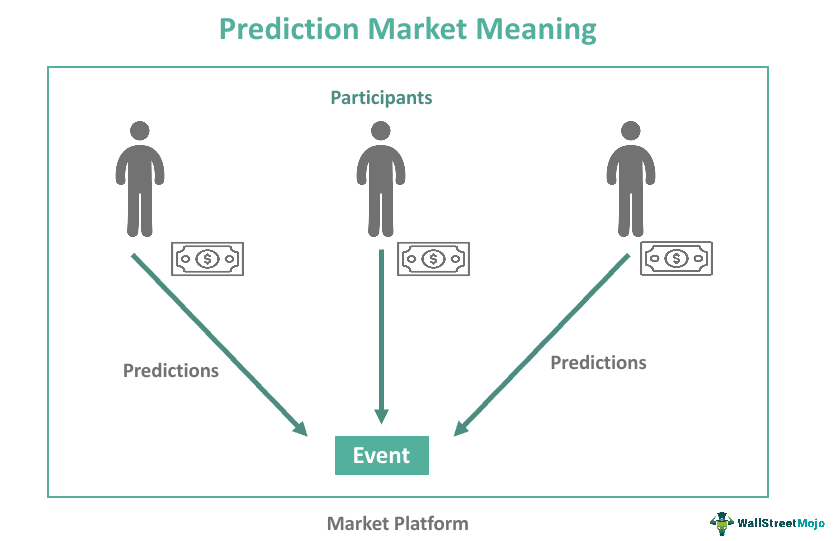
Prediction markets are innovative platforms that enable users to make bets on the outcomes of future events, from political elections to sports results. These markets function similarly to stock exchanges but focus on predicting real-world occurrences, and their potential for misuse has raised concerns. Notably, the implementation of Know Your Customer (KYC) regulations is deemed crucial in curbing insider trading within these marketplaces, as highlighted by recent analyses. In light of rising geopolitical incidents and high-profile wagers, the call for robust KYC mechanisms becomes even more significant in ensuring fairness and transparency. As the landscape of blockchain prediction markets evolves, the interplay between KYC compliance and market integrity remains a hot topic for traders and regulators alike.
Alternative forecasting platforms, often referred to as outcome betting markets or event prediction exchanges, have gained traction as tools for assessing various future scenarios. Participants in these markets wager on the likelihood of events, leveraging crowd wisdom to gauge public sentiment and outcome probabilities. However, the challenge of insider trading looms large, especially in environments lacking stringent KYC rules. Such regulations play a vital role in maintaining a level playing field, effectively limiting the risk of information asymmetry among traders. As conversations around regulatory compliance and ethical trading practices intensify, understanding the implications of KYC in these dynamic platforms becomes increasingly essential.
The Necessity of KYC in Prediction Markets
In the realm of prediction markets, the implementation of Know Your Customer (KYC) regulations has become increasingly critical. By requiring identity checks, platforms can better mitigate the risks associated with insider trading, which remains a substantial concern within this burgeoning industry. KYC protocols not only help to establish the legitimacy of traders but also assist in maintaining a fair trading environment, especially for markets that involve sensitive geopolitical events. As the prediction market ecosystem evolves, integrating KYC measures could foster greater trust among participants, leading to increased participation and investment.
Despite the advantages that KYC brings, it is important to acknowledge that simply having KYC in place does not completely eradicate the potential for abuse. Insiders may still find ways to relay information to third parties, circumventing the safeguards established by KYC. However, as Austin Weiler from Messari pointed out, KYC can create barriers that add layers of accountability for traders. By controlling access to specific markets based on verified identity, platforms can take a significant step toward curbing the frequency of insider trading incidents.
Challenges Faced by Non-KYC Prediction Markets
Non-KYC prediction markets pose several challenges in regulating trading behavior, primarily due to the anonymity they provide. Without links to real-world identities, it becomes nearly impossible to monitor traders for suspicious activity or insider knowledge. As highlighted by Weiler, the complete transparency of blockchain activities cannot compensate for the lack of user accountability. This anonymity can encourage individuals to exploit their advantages, engaging in activities that undermine the integrity of prediction markets and potentially jeopardizing investor confidence.
Moreover, the structural limitations of non-KYC prediction markets exacerbate the issue of insider trading. Measures such as monitoring trading volumes or implementing temporary trading slowdowns during significant geopolitical events can only do so much, as they are often easy to evade. Without effective enforcement mechanisms that KYC frameworks provide, these platforms risk losing credibility and, ultimately, market share to their KYC-compliant counterparts. As the prediction market landscape becomes more crowded, the need for robust oversight mechanisms to ensure ethical trading practices will only intensify.
KYC Regulations: A Key to Trustworthy Trading
KYC regulations serve as the foundation for building trustworthy trading environments in prediction markets. By demanding transparency from users, platforms can ensure that only legitimate participants engage in trading activities. This is vital not only for curtailing insider trading but also for complying with financial regulations, especially in jurisdictions with strict governance like the United States. For instance, platforms such as Kalshi are already adhering to KYC measures under directives from the US Commodity Futures Trading Commission, illustrating how regulatory frameworks can coexist with prediction markets to promote ethical practices.
The broader implementation of KYC in prediction markets also responds to the growing demand for regulatory oversight among traders and investors. Platforms that demonstrate a commitment to following these regulations can position themselves as more reliable options in the eyes of users, fostering a culture of compliance and responsibility. As prediction markets continue to capture the interest of traders, integrating KYC processes will be essential in navigating the complex interplay between innovation and regulatory demands.
The Impact of Geopolitical Events on Prediction Markets
Geopolitical events significantly influence trading behaviors within prediction markets, with traders often placing bets based on expectations surrounding political outcomes, government actions, or international relations. Recent examples have shown how high-profile geopolitical occurrences can lead to substantial trading volume, as participants attempt to capitalize on insider information or market sentiment. However, with these opportunities come heightened risks of insider trading, as individuals may possess material non-public information regarding these events.
To mitigate the risks associated with geopolitical betting, KYC measures can play an indispensable role. By ensuring that traders are verified, platforms can impose restrictions on sensitive markets and monitor trading patterns more effectively. This approach not only helps minimize the potential for abuse but also sustains the integrity of prediction markets. As the stakes continue to rise with geopolitical tensions worldwide, KYC-compliant platforms may enjoy a competitive advantage by fostering a secure environment for traders.
Insider Trading and Its Implications in Prediction Markets
Insider trading remains a gray area within prediction markets, where the lines between informed and uninformed trading can blur significantly. As insiders gain access to exclusive information regarding upcoming events or government actions, they hold a temporal advantage that can skew market prices dramatically. The lack of identity checks in non-KYC prediction markets complicates enforcement, leaving platforms vulnerable to abuse and undermining the trust of other legitimate traders.
The implications of unchecked insider trading can be far-reaching. It not only damages the credibility of specific prediction markets but can also deter potential investors from participating when the trust in fairness is compromised. Moving forward, the industry’s reliance on KYC-compliant systems could serve to lessen these risks, paving the way towards a more equitable trading environment. As regulatory standards evolve, addressing insider trading head-on will be paramount for establishing legitimacy and attracting a broader audience.
Examining KYC Practices Among Leading Platforms
The implementation of KYC varies widely among leading prediction markets, each establishing their own guidelines based on their business models and regulatory obligations. Kalshi and Polymarket have embraced KYC practices, but their approaches diverge significantly. With explicit requirements for personal information and verification under Kalshi’s regulated framework, users can expect a certain level of security. On the other hand, Polymarket exhibits a more lenient stance towards KYC for its non-US users, creating concerns about disparity and the potential for insider trading.
As the prediction market landscape becomes increasingly competitive, platforms without robust KYC measures might struggle to maintain participant confidence. Users frequently prioritize security and transparency when selecting trading platforms, making KYC compliance a critical differentiator. Those platforms that succeed in implementing stringent KYC practices will likely attract a more reputable trader base, fostering an environment where ethics and accountability thrive.
The Future of Blockchain Prediction Markets
Blockchain prediction markets are poised for significant transformation as technological advancements evolve and regulatory attentiveness rises. These platforms offer a decentralized alternative that invites users to engage without intermediaries, but this very decentralization raises questions regarding responsible trading practices. The impending focus on KYC will likely shape the future landscape, uncovering the necessity for an equilibrium between anonymity and transparency that satisfies both user preferences and regulatory demands.
As blockchain technology matures, the potential for developing sophisticated KYC solutions tailored to prediction markets could enhance user experience while safeguarding against insider trading. Innovative identity verification mechanisms might emerge, promising a seamless and secure process. Such developments may not only strengthen the legitimacy of blockchain prediction markets but also ensconce the industry as a trustworthy alternative within the broader financial ecosystem.
Legislative Responses to Insider Trading Concerns
In reaction to the insider trading concerns surrounding prediction markets, recent legislative efforts highlight the urgency of implementing regulatory frameworks. Initiatives such as the Public Integrity in Financial Prediction Markets Act of 2026, supported by US lawmakers, aim to curb illicit trading activities, particularly concerning government officials. Such measures underscore the growing recognition that controlling insider trading is imperative for the sustainability and acceptance of prediction markets in the mainstream financial landscape.
Legislative actions addressing KYC regulations within prediction markets signify a shift toward greater accountability and transparency. As governments acknowledge the need to protect market integrity, it is likely that more comprehensive regulations will emerge, influencing the operational strategies of prediction market platforms. The interplay between legislative frameworks and market practices will be crucial in defining the future landscape of prediction markets, ensuring they responsibly serve their purpose.
Conclusion: A Balanced Approach to Prediction Markets
The future of prediction markets hinges on the delicate balance between fostering innovation and maintaining rigorous compliance with regulatory standards. KYC practices emerge as indispensable tools in combatting insider trading, preserving market integrity, and ensuring that prediction markets can thrive in a legitimate capacity. As stakeholders navigate the evolving landscape, the collaborative efforts between regulatory bodies and prediction market platforms can establish a more sustainable and trustworthy trading environment.
By prioritizing KYC, traders and platforms alike can contribute to a more equitable industry. The focus on transparency and accountability not only enhances the reputability of prediction markets but also instills confidence among users, ensuring that everyone can partake in this exciting sector. As the dialogue surrounding regulatory frameworks continues, the power of prediction markets and their potential impact on various decision-making processes will only grow stronger.
Frequently Asked Questions
What are prediction markets and how do they relate to KYC regulations?
Prediction markets are platforms where users can bet on the outcomes of future events, such as elections or economic indicators. KYC regulations, or Know Your Customer regulations, require these markets to verify the identities of their users, which helps reduce the risk of insider trading by ensuring that participants do not hold material non-public information (MPNI). This added layer of security makes prediction markets more compliant and trustworthy.
How does KYC affect insider trading in prediction markets?
KYC regulations significantly impact insider trading in prediction markets by enforcing identity checks that make it harder for insiders to exploit their information. While KYC can mitigate risks associated with trades made by individuals with access to sensitive information, it does not completely eliminate the possibility of abuse, as insiders can still share their information with others outside the regulated environment.
Are there differences between KYC and non-KYC prediction markets?
Yes, the main difference lies in the enforcement of identity checks. KYC prediction markets, such as Kalshi and Polymarket, require users to provide personal information, thus enhancing security against insider trading. In contrast, non-KYC prediction markets, especially fully onchain ones, struggle to enforce rules and track traders, making it nearly impossible to monitor insider activity or prevent abuse effectively.
What challenges do non-KYC prediction markets face regarding enforcement?
Non-KYC prediction markets face significant enforcement challenges because they are unable to link user wallets to real-world identities. This lack of verification allows individuals to operate anonymously, making it very difficult to identify those who might possess insider information. As a result, curbing insider trading and monitoring unusual trading behavior in these markets proves extremely challenging.
How do top prediction platforms like Kalshi and Polymarket implement KYC?
Kalshi enforces stringent KYC requirements as part of its regulatory framework under the US Commodity Futures Trading Commission, requiring users to submit personal details and potentially provide identification documents. Polymarket also requires KYC verification for its US users, though it may allow non-US users to access the platform without these checks. This variance in KYC implementation reflects the evolving landscape of prediction markets and regulatory compliance.
What is the significance of KYC in blockchain prediction markets?
KYC is significant in blockchain prediction markets because it addresses the risks associated with anonymity in trading. By requiring users to verify their identities, blockchain prediction markets can prevent insider trading and reduce the influence of state actors on market outcomes. This is essential for maintaining the integrity and trustworthiness of these platforms, especially during sensitive geopolitical events where trading could be influenced by privileged information.
What legislative actions are being taken regarding KYC in prediction markets?
Legislative efforts, such as the Public Integrity in Financial Prediction Markets Act of 2026, aim to enhance KYC regulations in prediction markets. This proposed legislation would prevent government officials from trading in these markets when they hold material nonpublic information, thereby addressing concerns regarding insider trading and promoting fairness in prediction outcomes.
Related: More from Market Analysis | WLFI Price Predicted: World Liberty Financial Proposes Governance Overhaul | XLM Bounces But Bears Control