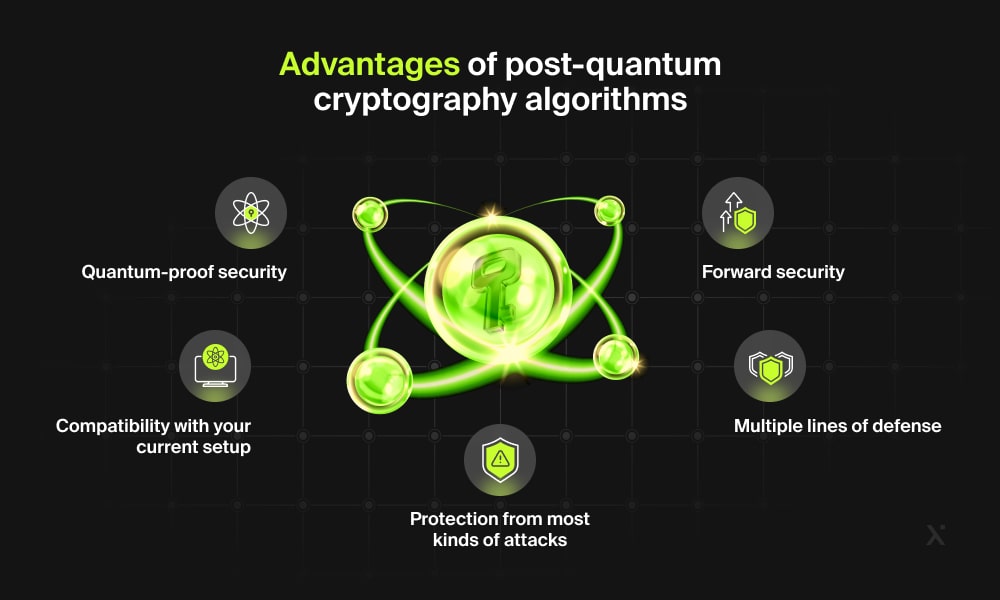

In the ever-evolving landscape of cybersecurity, post-quantum security has emerged as a crucial frontier. Recognizing this need, the Ethereum Foundation has assembled a dedicated post-quantum team, with a clear goal of enhancing security in a world that is on the brink of quantum computing. Spearheaded by cryptographic engineer Thomas Coratger, this initiative places a strong emphasis on incorporating innovative technologies such as leanVM. To further bolster this mission, the Ethereum Foundation has announced the Poseidon Prize, a $1 million initiative aimed at refining hash functions within zero-knowledge proof systems. As development networks like Lighthouse and Grandine pave the way for post-quantum consensus, the Ethereum community prepares to address the inevitable challenges posed by quantum threats.
As quantum computing looms on the horizon, the need for robust security measures in blockchain technology has never been more urgent. Terms such as post-quantum resilience or quantum-safe encryption are becoming increasingly relevant as organizations strive to protect their data from future threats. The Ethereum Foundation is at the forefront of this movement with a specialized team focused on addressing these challenges using innovative methods like leanVM. In this context, initiatives like the Poseidon Prize highlight the importance of enhancing cryptographic hash functions and strengthening zero-knowledge proofs. By establishing networks geared towards quantum-safe protocols, the Ethereum community is taking significant steps to secure its technological future.
| Key Points |
|---|
| The Ethereum Foundation has established a post-quantum team. |
| Post-quantum security is the highest strategic priority for the foundation. |
| The team is led by cryptographic engineer Thomas Coratger. |
| Researcher Justin Drake indicated that leanVM will be the cornerstone of their strategy. |
| A $1 million Poseidon Prize has been launched to enhance hash functions in zero-knowledge proof systems. |
| Last year, a $1 million Proximity Prize was also established. |
| Lighthouse and Grandine have established post-quantum consensus development networks. |
| Prysm is expected to follow with development in this area. |
| Biweekly developer meetings on post-quantum transactions will start next month, led by Antonio Sanso. |
Summary
Post-quantum security is emerging as a critical focus for the Ethereum Foundation, which has established a dedicated team to address this challenge. Under the leadership of cryptographic engineer Thomas Coratger, the foundation aims to develop robust solutions that can withstand potential threats from quantum computing. The introduction of substantial prizes like the Poseidon Prize highlights their commitment to reinforcing the security framework of zero-knowledge proof systems. With key projects and regular developer meetings underway, the Ethereum community is actively paving the way for a secure post-quantum future.
Understanding Post-Quantum Security in Blockchain Technology
Post-quantum security is emerging as a crucial aspect of blockchain technology, particularly within networks like Ethereum. As quantum computing continues to advance, traditional cryptographic methods may fall short, rendering many current security measures ineffective. The Ethereum Foundation’s proactive approach in establishing a post-quantum team showcases its commitment to ensuring the longevity and resilience of its ecosystem against quantum threats. This initiative emphasizes the critical need for developing new cryptographic standards that can withstand the capabilities of quantum computers.
The Ethereum Foundation is prioritizing post-quantum security as part of its overall strategy to maintain trust and integrity within its platform. With teams led by experts such as Thomas Coratger and Justin Drake, the focus is on innovating secure protocols and infrastructures. The leanVM will play a pivotal role in this strategy by enabling efficient execution of smart contracts, while seamlessly integrating with advanced hash functions designed to enhance security measures. This holistic approach aims to fortify the Ethereum ecosystem against future adversities posed by quantum computing.
Key Initiatives of the Ethereum Foundation’s Post-Quantum Team
The Ethereum Foundation has launched several initiatives to bolster post-quantum security, including the establishment of the $1 million Poseidon Prize. This prize aims to incentivize the development of improved hash functions specifically tailored for use in zero-knowledge proof systems. By fostering innovation in this area, the Foundation hopes to create a robust framework that enhances privacy and scalability of transactions on the Ethereum blockchain. The focus on zero-knowledge proofs is particularly relevant, as these methods allow for the verification of information without revealing the details, thus reinforcing user confidentiality.
In addition to the Poseidon Prize, the Ethereum Foundation is also facilitating developer meetings that aim to advance the understanding and development of post-quantum transactions. Led by Antonio Sanso, these biweekly meetings are designed to engage developers in critical discussions about the trajectory of Ethereum’s technology in a post-quantum world. As projects like Lighthouse and Grandine demonstrate the feasibility of post-quantum consensus mechanisms, it becomes evident that the Ethereum ecosystem is preparing to be at the forefront of blockchain security innovations.
The Role of LeanVM in Post-Quantum Strategies
LeanVM is being positioned as the foundational element in the Ethereum Foundation’s post-quantum strategy, contributing to the overall goals of enhancing security and efficiency. The lightweight virtual machine allows for rapid execution of smart contracts, making it an ideal candidate for integrating advanced cryptographic methods necessary for facing quantum threats. By optimizing the way Ethereum operates in a post-quantum environment, leanVM aims to provide developers with tools that not only safeguard their projects but also maximize performance.
Moreover, leanVM’s compatibility with zero-knowledge proofs enables developers to harness the advantages of these cryptographic techniques without sacrificing system integrity. In a landscape where quantum computing could potentially break conventional cryptography, adopting a framework like leanVM is crucial. By focusing on lightweight operations alongside strong cryptographic foundations, Ethereum is paving the way for a more secure and scalable blockchain ecosystem in the face of future technological challenges.
Strengthening Hash Functions with the Poseidon Prize
The revolution of blockchain technology is heavily reliant on the efficiency and security of hash functions, which is why the Ethereum Foundation’s Poseidon Prize is such a significant initiative. With a financial incentive of $1 million, the Foundation is encouraging research and development of new hash functions capable of withstanding the unique challenges presented by quantum computing. These new paradigms in hashing are crucial for maintaining the integrity of transactions and data, especially in a landscape increasingly influenced by quantum threats.
Furthermore, the Poseidon Prize aims to specifically benefit zero-knowledge proof systems, which are integral to Ethereum’s privacy-preserving functionalities. By optimizing hash functions, developers can enhance the computational efficiency and security of zero-knowledge proofs, thereby promoting wider adoption and implementation in decentralized applications. This forward-thinking approach not only addresses current vulnerabilities but also prepares the Ethereum network for future technological advancements.
The Future of Ethereum’s Consensus Protocols in a Quantum World
As the Ethereum Foundation breaks new ground with its post-quantum initiatives, the evolution of consensus protocols becomes a vital area of focus. Currently, networks like Lighthouse and Grandine are leading the charge in developing consensus algorithms that can operate securely in a post-quantum environment. These projects are essential for transitioning Ethereum from its proof-of-work model to a more sustainable proof-of-stake framework, while ensuring robustness against quantum attacks.
Anticipating the launch of additional consensus protocols, such as that of Prysm, highlights the urgency and innovation within the Ethereum ecosystem. By integrating post-quantum strategies into these protocols, Ethereum aims to not only safeguard its network but also attract developers and users who are acutely aware of the impending challenges posed by quantum technologies. The commitment to evolving consensus mechanisms is a clear signal of the Foundation’s dedication to pioneering the future of blockchain security.
Developer Collaboration in Advancing Post-Quantum Transactions
The biweekly developer meetings spearheaded by Antonio Sanso represent a crucial effort by the Ethereum Foundation to engage the broader developer community in discussions on post-quantum transactions. These collaborative sessions not only foster knowledge sharing but also catalyze innovation among developers who are passionate about enhancing the security and functionality of Ethereum’s platform. By bringing together experts in the field, these meetings aim to address crucial challenges while brainstorming potential solutions for the complexities introduced by quantum computing.
Through these collaborative efforts, the Ethereum Foundation seeks to create an inclusive atmosphere that encourages experimentation with post-quantum strategies and technologies like leanVM and zero-knowledge proofs. By harnessing the collective expertise of the developer community, Ethereum is laying the groundwork for a resilient architecture that will effectively address the future needs of its users. This collaborative environment is essential for ensuring that the Ethereum blockchain not only survives but thrives in the post-quantum era.
The Importance of Zero-Knowledge Proofs in Post-Quantum Security
Zero-knowledge proofs are taking center stage in discussions around post-quantum security due to their unique capability of validating information without disclosing the underlying data. As the Ethereum Foundation prioritizes post-quantum security, the use of zero-knowledge proofs becomes even more relevant. These proofs enhance privacy while ensuring that transactions maintain their integrity, making them critical for protecting user information against quantum threat vectors.
Moreover, the integration of robust hash functions, incentivized through initiatives like the Poseidon Prize, is key to bolstering the efficacy of zero-knowledge proofs. By strengthening the cryptographic backbone of these systems, Ethereum can provide users with privacy guarantees in an environment where conventional security measures may falter. This synergy of post-quantum security strategies and zero-knowledge proofs will define the next generation of secure blockchain transactions.
The Role of Cryptographic Experts in Ethereum’s Post-Quantum Initiatives
The involvement of cryptographic experts within the Ethereum Foundation is paramount to the success of its post-quantum initiatives. Led by cryptographic engineer Thomas Coratger, the post-quantum team is composed of specialists who understand the intricacies of quantum computing and its implications for cryptography. Their expertise is vital for the development of secure systems that can withstand future quantum advancements while improving upon existing frameworks.
As the Foundation engages with researchers and developers from various backgrounds, the collaborative efforts enrich the discourse surrounding post-quantum security. The blending of academic insights and practical experience ensures that Ethereum remains at the forefront of adopting cryptographic innovations and effectively scales its technologies to safeguard its network. The commitment to recruiting top talent in the field signifies the Foundation’s strategic alignment with the challenges and opportunities posed by the advent of quantum computing.
Preparing for Quantum Computing: A Holistic Approach to Security
The Ethereum Foundation’s comprehensive strategy to prepare for quantum computing encompasses a variety of initiatives focused on enhancing security and mitigating risks associated with potential quantum threats. Establishing a post-quantum team signifies the Foundation’s acknowledgment of the vulnerabilities within current cryptographic systems. By driving awareness and adapting to these emerging challenges, Ethereum aims to position itself as a leader in blockchain security.
In pursuing a holistic approach, the Foundation advocates for the integration of advanced cryptographic techniques like zero-knowledge proofs and strong hash functions throughout its ecosystem. This extensive preparatory work reflects a thorough understanding of the complexities presented by quantum computing, ensuring that both current users and future adopters can interact with Ethereum’s network with confidence in its security. By marrying innovation with proactive risk management, Ethereum is embracing the future of blockchain technology.
Frequently Asked Questions
What is post-quantum security and why is it important for the Ethereum Foundation?
Post-quantum security refers to cryptographic methods that are secure against the capabilities of quantum computers. The Ethereum Foundation recognizes its importance as quantum computing poses a significant threat to current encryption methods. Establishing a dedicated post-quantum team highlights their commitment to developing resilient solutions that protect the Ethereum ecosystem.
Who is leading the Ethereum Foundation’s post-quantum security team?
The Ethereum Foundation’s post-quantum team is led by cryptographic engineer Thomas Coratger. The team’s strategic focus on post-quantum security aims to ensure the platform remains secure in the face of advancing quantum technology.
What role does leanVM play in the Ethereum Foundation’s post-quantum strategy?
LeanVM is anticipated to be the cornerstone of the Ethereum Foundation’s post-quantum strategy, providing a flexible and efficient virtual machine environment that supports secure post-quantum computations.
How is the Ethereum Foundation funding advancements in hash functions for post-quantum security?
The Ethereum Foundation has initiated a $1 million Poseidon Prize aimed at enhancing hash functions utilized in zero-knowledge proof systems. This investment underscores the foundation’s dedication to advancing post-quantum security measures.
What are zero-knowledge proofs and how do they relate to post-quantum security?
Zero-knowledge proofs are cryptographic protocols that allow one party to prove to another that a statement is true without revealing any additional information. They play a vital role in post-quantum security by ensuring the integrity and confidentiality of transactions, even in a quantum-computing environment.
What progress has been made in post-quantum consensus development within the Ethereum network?
Significant progress has been made in post-quantum consensus development, with projects like Lighthouse and Grandine already achieving functioning networks. Prysm is expected to join soon, indicating a proactive approach towards integrating post-quantum security within the Ethereum infrastructure.
When will the Ethereum Foundation hold meetings on post-quantum transactions?
The Ethereum Foundation will launch biweekly developer meetings focused on post-quantum transactions next month, led by Antonio Sanso. These meetings aim to foster collaboration and innovation in developing post-quantum solutions for the Ethereum ecosystem.
What incentives are in place for improving hash functions related to post-quantum security?
In addition to the Poseidon Prize, the Ethereum Foundation established a $1 million Proximity Prize last year to incentivize the research and development of secure hash functions, further supporting the umbrella of post-quantum security initiatives.
Related: More from Ethereum News | Ethereum Network Transactions Hit New Record: What It Means for You | 30,000 ETH Withdrawn: What It Means for Binance and Ethereum