
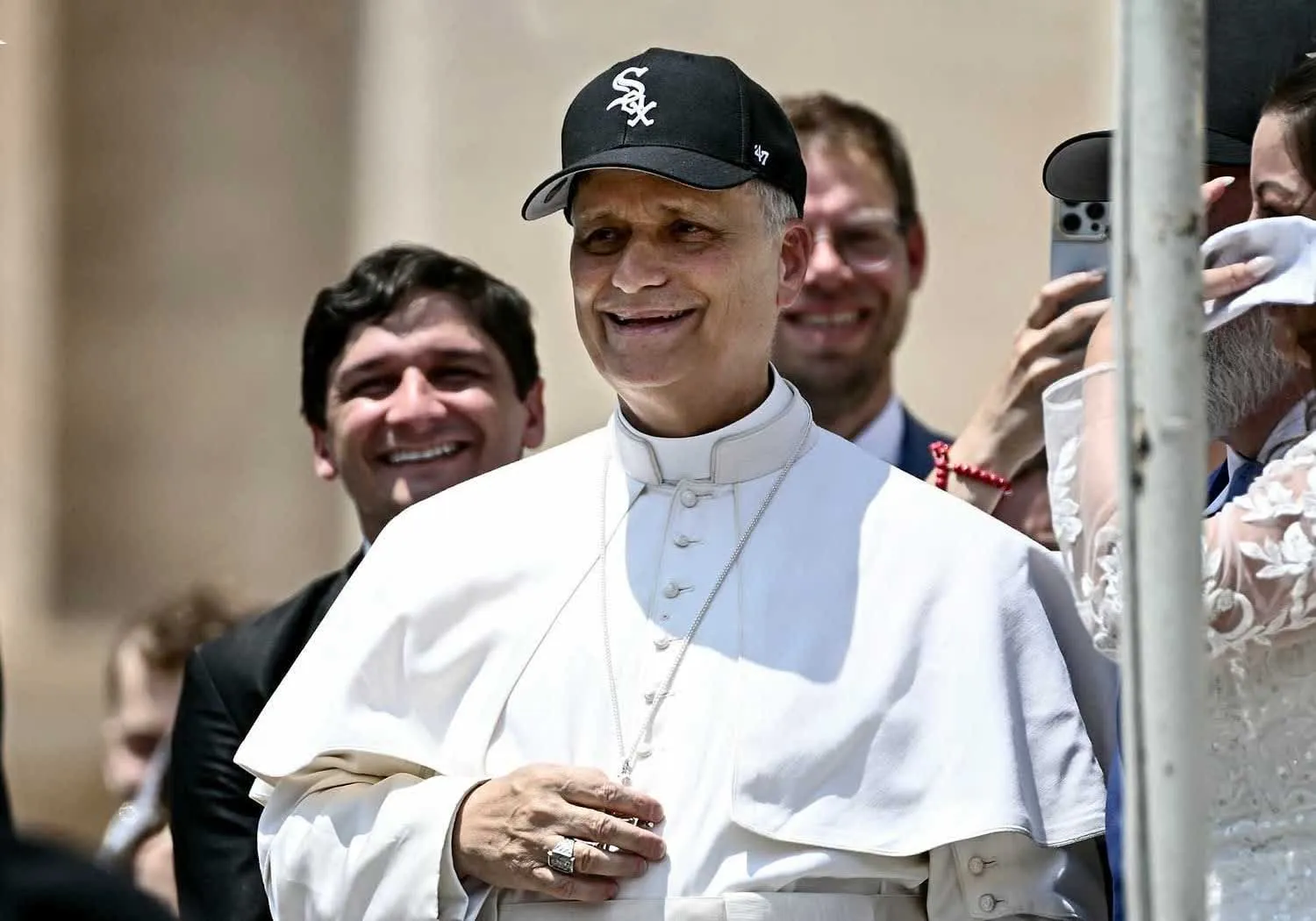

In a groundbreaking address to technology leaders and innovators, Pope Leo has made a compelling plea for the development of artificial intelligence (AI) that upholds and respects human dignity. Speaking at the recent international tech summit, Decrypt, His Holiness emphasized the crucial role technology plays in shaping modern society and the moral responsibilities of those who wield this powerful tool.
Key Takeaways
Pope Leo’s discourse, steeped in both concern and hope, highlighted the dual-edged nature of AI and digital technologies. While acknowledging the monumental advances that AI brings, such as improvements in healthcare, education, and communication, he also pointed out the potential for these technologies to undermine human dignity and privacy.
The core of Pope Leo’s message was a call to action for tech leaders to prioritize ethical considerations in the design and implementation of AI systems. “As we stand on the brink of technological revolutions that could fundamentally alter the way we live, work, and relate to one another,” the Pope said, “it is imperative that we ensure these technologies are harnessed to serve the common good, protect human rights, and preserve our shared values.”
Pope Leo outlined several key areas where AI must be developed responsibly:
-
Privacy and Data Protection: With data becoming a cornerstone of technological advancement, Pope Leo stressed the importance of developing AI that respects individual privacy and has built-in protections against misuse.
-
Bias and Fairness: The Pope addressed the issue of algorithmic bias, underscoring the need for AI systems to be transparent and fair, regardless of one’s race, gender, or economic status. He urged developers to be vigilant in eliminating biases that could perpetuate discrimination and inequality.
-
Employment and the Economy: Echoing the concerns of economists and labor experts, Pope Leo spoke about the impact of AI on employment. He called for strategies to ensure that AI enhances the workforce without causing undue economic hardship or inequality.
-
AI for Good: Highlighting the positive potential of AI, Pope Leo encouraged the pioneers of technology to steer their efforts towards solving pressing global issues such as poverty, disease, and environmental degradation.
- Human Control and Decision-Making: Finally, Pope Leo warned against the dangers of autonomous systems that could make decisions without human oversight. He insisted on the need for keeping ultimate control and ethical decision-making in human hands.
Pope Leo’s remarks were warmly received by many at the summit, with several leading tech figures expressing their agreement and support. The consensus suggested a growing recognition of the need for ethical standards in technology development and a commitment to taking concrete steps towards this goal.
The Pope’s intervention comes at a critical time when nations and international bodies are grappling with the question of how to regulate AI and other emerging technologies. His voice adds significant moral weight to the call for an ethical framework that respects human dignity and promotes justice and peace.
In conclusion, as AI continues to evolve and become an integral part of everyday life, Pope Leo’s exhortation serves as a vital reminder of the need to embed moral and ethical principles in the fabric of technological innovation. The challenge now lies in turning these principles into action, ensuring that technology serves humanity and contributes to a future where human dignity is not only respected but championed.
Context
Current positioning around Market Analysis remains sensitive to primary-source updates, policy interpretation, and execution risk across major venues.
What To Watch
Key confirmation signals include sustained spot demand, funding stability, and whether price can hold reclaimed levels after headline-driven volatility.
If momentum weakens, traders will likely prioritize downside liquidity zones and risk-control positioning before adding new directional exposure.
Related: More from Market Analysis | Dollar Rise Weighs on Cryptos, Gold in Crypto Market | Morning Minute: Banks Eye Crypto Custody Market in Crypto Market