
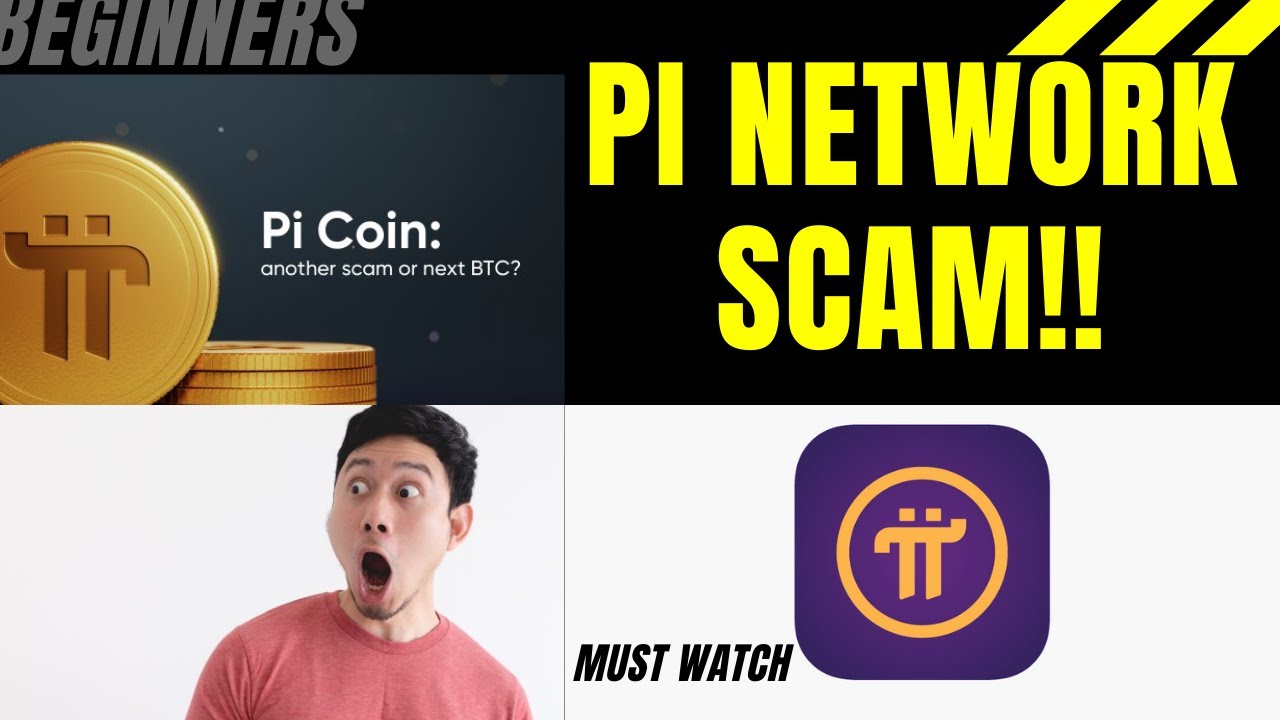

In recent times, the issue of Pi Network scams has emerged as a critical concern among users navigating the world of digital currencies. As the platform grows, so do the tactics employed by fraudsters aiming to exploit unsuspecting individuals, leading to significant losses in PI tokens. The Pi Core Team’s decision to temporarily disable wallet payment requests underscores the platform’s commitment to enhancing Pi Network security amidst ongoing threats. With millions of PI token thefts reported, scam awareness is now more crucial than ever for users trying to protect their assets. Staying vigilant against these blockchain scams and understanding the warning signs can help prevent financial loss in this evolving landscape.

The topic of fraudulent schemes within the Pi Network ecosystem has gained prominence as investors and users face potential risks to their digital assets. This surge in scams, including deceptive practices targeting the PI token user community, highlights the importance of vigilance and informed participation. Many individuals are discovering that without adequate precautions, they may fall victim to tricks designed to drain their wallets. With the security of PI tokens at stake, understanding these malicious tactics is paramount for users aiming to navigate this digital space safely. As the landscape of cryptocurrency continues to evolve, staying informed and cautious is essential for safeguarding one’s investments.
Understanding Pi Network Scams
The recent surge in scams surrounding the Pi Network has raised significant concerns among users and investors alike. Scammers have become increasingly adept at exploiting the platform’s features, particularly the wallet payment request function, to deceive unsuspecting users. Reports indicate that millions of PI tokens have been lost to these scams, with fraudsters leveraging social engineering tactics to manipulate users into approving fraudulent transactions. The Pi Core Team’s decision to disable the wallet payment requests demonstrates the seriousness of the situation and highlights the need for users to remain alert against potential threats.
As the landscape of digital currencies evolves, so too does the sophistication of blockchain scams. In the context of the Pi Network, scammers use phishing tactics, posing as trusted contacts or official accounts to create convincing narratives that prompt users to authorize transfers. Without a well-formed understanding of these scam tactics and a solid approach to scam awareness, users run the risk of losing substantial amounts of PI tokens. Therefore, it is crucial for the community to stay informed and prudent when engaging with digital wallets and transactions.
Pi Network Security Measures
In response to the escalating threat posed by scammers, the Pi Network has taken proactive security measures to safeguard its users. By temporarily disabling the wallet payment request feature, the Core Team aims to protect users from falling victim to deceptive transaction requests. The decision underscores the importance of reinforcing Pi Network security, especially given that wallet addresses are publicly visible and can be targeted. Users are encouraged to utilize secure practices, such as avoiding sharing sensitive information and double-checking the identity of anyone requesting permissions for transactions.
Moreover, the Pi Core Team is actively evaluating potential safeguarding mechanisms to enhance user protection in the future. These measures could include more stringent verification processes for payment requests or additional educational resources to raise scam awareness among users. The broader implications for Pi Network security are significant; enhancing these features would not only protect existing users but could also instill confidence in potential investors worried about the risks of PI token theft.
The Impact of Scams on PI Token Price Stability
The recent scams affecting the Pi Network undoubtedly have implications for the stability of the PI token price. With fraudulent activities leading to substantial losses in tokens, investor confidence may wane, causing volatility and fluctuations in market performance. Currently trading around the $0.20 mark, the PI token has only seen a slight increase, which can be attributed to persistent fears surrounding scams and the overall health of the Pi ecosystem. Additionally, the ongoing token unlocks and an influx of supply contribute to the token’s price challenges.
Market sentiment remains mixed as the Pi Network contends with these security issues. The increase in scams has deterred potential investments, raising concerns about liquidity and long-term viability. If the Pi Core Team can successfully address the security challenges and enhance user protection measures, it may bolster market confidence, potentially stabilizing the price of PI tokens in the foreseeable future. Investors are thus advised to closely monitor changes within the network and remain vigilant about security protocols.
Raising Scam Awareness Among Pi Network Users
With the alarming increase in scams targeting Pi Network users, raising scam awareness has become a critical focus for community leaders. Users are encouraged to educate themselves on the various tactics employed by fraudsters, including phishing schemes and fake offers that lure victims into providing sensitive information or authorizing unauthorized transactions. Regular updates and alerts from the Pi Core Team serve as essential resources for users to stay informed about potential threats and best practices for securing their assets.
In addition to official advisories, community-driven initiatives play a vital role in disseminating scam awareness. Moderators and seasoned users often share first-hand experiences and red flags to watch for when interacting with unknown contacts. By fostering an environment where users actively exchange knowledge on security measures, the Pi Network can protect itself against orchestrated attacks and preserve the integrity of its growing ecosystem.
The Role of Blockchain Security in Crypto Transactions
Blockchain security is paramount in ensuring the integrity of cryptocurrency transactions, particularly in the context of networks like Pi. The decentralized nature of blockchain technology provides a level of protection against unauthorized access and fraud; however, this is contingent upon users maintaining secure practices. Understanding how blockchain scams operate is integral for users looking to navigate their investments safely. By leveraging insights into blockchain security, users can better protect their wallets from potential scams that plague the digital currency landscape.
Additionally, the need for robust security features within the Pi Network becomes evident as scams expose vulnerabilities in user behaviors, rather than flaws in the underlying technology. The Pi Network must continue to educate its users on the importance of staying informed about blockchain security and adopting protective measures, such as enabling two-factor authentication and regularly reviewing transaction activity. Strengthening user security knowledge will not only help mitigate risks but also promote a safer environment for all participants in the network.
Scammers Target PI Token Holders: How to Protect Yourself
As scammers increasingly target holders of PI tokens, it is essential for users to adopt proactive measures to protect themselves. Fraudulent actors often manipulate the trust within the community, seeking to exploit unsuspecting users through deceptive messages or fake platforms. To defend against these tactics, users should only engage with verified channels and double-check the authenticity of any communication regarding their wallets or transactions. Remaining skeptical of unexpected requests for transfers or personal information is key to preventing PI token theft.
Moreover, users should be vigilant about the security of their digital wallets. This includes ensuring that wallets are secured with strong, unique passwords and enabling any available security features, such as two-factor authentication. Educating oneself on the latest scam trends and participating in community discussions about scam incidents can foster greater resistance against such fraudulent activities. By cultivating a culture of awareness and caution, the Pi Network community can significantly reduce the risks of scams targeting PI token holders.
Phishing and Its Dangers in the Crypto Space
Phishing remains one of the most common threats in the crypto space, especially for networks like Pi where user growth has attracted malicious actors. Scammers deploy phishing techniques to impersonate trusted entities, often distributing fake announcements or links that direct users to counterfeit websites designed to harvest passwords and private keys. By educating users about the tactics used in phishing attacks, the Pi Network can empower its community to recognize potential threats before falling victim to them.
Consequently, users must practice caution when following links from unverified sources or when prompted to enter personal information. Engaging in secure browsing habits and keeping software up to date can further enhance user protection. The Pi Core Team has strongly advocated for users to refrain from sharing sensitive information or clicking links without verifying their authenticity. By collectively raising awareness around phishing dangers, the Pi Network can build a resilient community prepared to confront the challenges posed by scammers in the digital landscape.
Financial Implications of Blockchain Scams on Investments
The financial implications of blockchain scams extend beyond immediate losses, affecting user trust and market dynamics. For investors in the Pi Network, the risk associated with potential scams can create hesitance to engage further with the platform, hindering user growth and token circulation. This hesitation can influence the overall supply and demand for PI tokens, further complicating its market price stability during a volatile trading period. Addressing these financial implications is essential for the continued success of the Pi Network.
Additionally, as scams disrupt financial ecosystems, they can lead to greater regulatory scrutiny of cryptocurrencies as a whole. With concerns about security and user protection on the rise, regulators may impose stricter compliance measures, which could impact the operation of networks like Pi. It is vital for the Pi community to approach its growth with a commitment to transparency and security, ensuring that user trust remains intact. This focus will ultimately lead to a healthier investment environment that can withstand the challenges introduced by blockchain scams.
Safeguarding Your Investments: Steps to Take
To safeguard investments in the Pi Network, users should be proactive in implementing security measures and developing a comprehensive understanding of the surrounding landscape. This begins with basic principles such as using secure wallets for storing PI tokens, avoiding public Wi-Fi for financial transactions, and backing up recovery phrases in secure locations. It is also advisable for users to segregate their investment wallets from everyday wallets, minimizing exposure to risks associated with scams.
Moreover, staying informed about the ongoing developments within the Pi Network, including security updates and scam alerts, can significantly enhance users’ ability to respond effectively to threats. Participating in community forums and discussions can provide valuable insights into the experiences of others and help fortify individual defenses against potential scams. By fostering a proactive approach to crypto-investment security, users can protect their PI tokens and contribute to a safer environment for the entire network.
Frequently Asked Questions
What are the common Pi Network scams users should be aware of?
Common Pi Network scams include phishing attempts, spoofed payment requests, and fake airdrop scams. Users are targeted through deceptive links or messages claiming promotional offers, which may ask for sensitive information or lead to unauthorized access to accounts. It’s crucial to verify communications and avoid sharing personal details.
How does the Pi Network ensure security against scams?
The Pi Network has implemented measures like disabling the payment request feature to combat scams targeting users. While the network itself is secure, attackers exploit social engineering tactics, impersonating trusted contacts to deceive users. It’s essential for users to exercise caution and report suspicious activities.
What steps should Pi Network users take to prevent PI token theft?
To prevent PI token theft, users should never approve unsolicited payment requests and should be wary of messages from unknown contacts. Verifying the identity of anyone requesting transfers and avoiding links or websites that seem suspicious are crucial steps for maintaining account security.
What impact do scams have on the PI token price?
Scams and unauthorized theft of PI tokens can negatively affect market sentiment and contribute to price volatility. Concerns over security may deter potential investors, leading to limited liquidity and downward pressure on the PI token price.
How can I identify scams related to the Pi Network?
Identifying scams related to the Pi Network involves recognizing red flags such as urgent demands for payment approvals, unfamiliar sender addresses, and unverified promotions. Always verifying requests through official channels and being cautious with sharing personal information can help users stay safe.
What is the Pi Network’s response to the recent scam activities?
In response to the recent surge in scams, the Pi Network has temporarily disabled the wallet payment request feature to protect users. The core team is reviewing potential safeguards to enhance security while advocating for user education on scam awareness and prevention strategies.
Are users liable for losses caused by PI token scams?
Unfortunately, users are generally liable for losses incurred through scams, as transactions cannot be reversed once authorized. It’s essential for users to remain vigilant and follow best practices for security to minimize the risk of falling victim to scams.
What should I do if I fall victim to a Pi Network scam?
If you fall victim to a Pi Network scam, it’s important to report the incident to the Pi Core Team and any relevant community moderators. While recovering lost tokens is challenging, they may provide guidance on securing your account and preventing further losses.
What are the signs of a legitimate versus a scam account in Pi Network?
Legitimate accounts typically have verified identifiers, consistent communication practices, and are recognized by the community. In contrast, scam accounts may exhibit unusual or aggressive behaviors like unsolicited requests or offers that seem too good to be true. Always verify through official channels.
How does social engineering play a role in Pi Network scams?
Social engineering plays a significant role in Pi Network scams as attackers gain the trust of users by mimicking trusted contacts or creating a sense of urgency. Awareness of these tactics is essential for users to protect themselves from inadvertently authorizing unauthorized transactions.
| Key Point | Details |
|---|---|
| Disabling Wallet Feature | Pi Network has temporarily disabled its wallet payment request feature due to increased scam activities. |
| Scam Statistics | Over 4.4 million PI tokens have been stolen through fraudulent payment requests. |
| Mode of Operation | Scammers exploit public wallet visibility, impersonating trusted contacts to deceive users. |
| Social Engineering, | The scams are attributed to social engineering tactics rather than technical flaws in Pi Network’s protocol. |
| Community Advice | Users are urged to reject unsolicited payment requests and to use caution with links from unofficial sources. |
| Impact on Token Price | The PI token is trading near $0.20 with a 1% increase over two weeks, affected by low liquidity and market saturation. |
Summary
Pi Network scams pose a significant threat to users, leading to millions of tokens lost through fraudulent activities. The core team has proactively disabled wallet payment requests to mitigate losses. Users must remain vigilant and avoid unverified links or contacts as scammers capitalize on social engineering tactics. While the future of PI token prices may seem optimistic, the current market conditions highlight the importance of security awareness within the platform’s growing ecosystem.