

Pi Coin Price Holds Up Even After a Failed Breakout: Here’s How

In the volatile realm of cryptocurrency, the resilience of a coin’s price in spite of setbacks often captivates market observers and investors alike. Pi Coin, a novel entrant in the digital currency space, recently experienced a scenario where its anticipated breakout did not materialize. Yet, the price of Pi Coin has displayed a surprising level of stability post the event. This article delves into the dynamics behind Pi Coin’s robust performance and explores the factors contributing to its sustained price levels.
Background of Pi Coin
Pi Coin is part of the Pi Network, a digital currency project that aims to keep cryptocurrency mining accessible to the general public. Unlike Bitcoin, which requires substantial computational power to mine, Pi Network allows users to mine coins on their mobile phones via a simple app interface, promoting a more inclusive approach to mining. The project was launched by a team of Stanford graduates, and it propels the vision of harnessing a wider community base to participate in the evolving cryptocurrency landscape.
The Anticipated Breakout
Leading up to the failed breakout, Pi Coin had been gaining attention in various investor circles primarily due to its innovative mining approach and its underlying technology. The anticipation built as Pi Network announced imminent updates and expansions that purportedly would bolster the usability and value of Pi Coin.
Market sentiments were bullish, and as more users joined the network, the increase in the coin’s demand began inflating its price. Investors and speculators projected a breakout — expecting the price to surge significantly.
The Failed Breakout
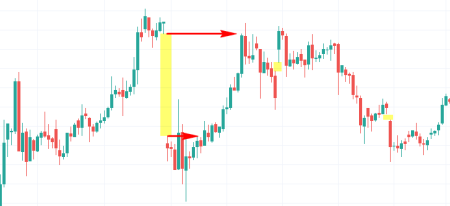
However, the expected breakout did not occur as planned. The reasons were manifold – including a broader market downturn, regulatory news impacting investor sentiment negatively, and perhaps an overvalued anticipation based on speculative trading. As a result, the price of Pi Coin halted its rapid ascent and stabilized more quickly than many market participants anticipated.
Factors Contributing to Price Resilience
Several key factors have contributed to Pi Coin holding up its price, even after the failed breakout:
-
Community Support: Unlike many other cryptocurrencies, Pi Coin is backed by a strong, engaged community. The inclusive approach to mining has amassed a substantial user base, which, in turn, maintains demand for the coin.
-
Technological Foundations: Pi Coin’s model emphasizes user accessibility and low entry barriers, which continuous to attract new miners and users, sustaining mining activity and, by extension, demand for the coin.
-
Gradual Rollouts and Updates: Pi Network has been strategic in its feature rollout and network updates, which helps in maintaining a steady development pace without causing abrupt market shocks.
-
Speculative Resilience: The initial wave of speculative interest led to a swift run-up in price, which was followed by a correction. However, the very same speculative interest that drove the price up continues to play a role in sustaining its current levels, as traders and investors look for the next potential breakout.
Conclusion
Pi Coin’s scenario is a testament to the complexities of cryptocurrency market dynamics and investor behavior. Despite a failed breakout, the coin’s price stability underscores the strength of its community support and the promising technological groundwork laid by its founders. For investors and market watchers, Pi Network’s approach provides a fascinating case study in how digital currencies can leverage broader community participation to forge resilience and stability in the ever-turbulent crypto markets.