
| Key Points | Details |
|---|---|
| Third-Party Breach | A breach at a third-party e-commerce provider exposed customer order data while keeping Ledger’s wallets secure. |
| Impact of Real Order Context | Phishing attempts become harder to detect when they include real-world details like product information and shipping addresses. |
| Advice on Phishing | Users should treat unsolicited support messages as untrusted until verified through official Ledger communication channels. |
Summary
Phishing against Ledger users has become a significant threat stemming from third-party data breaches. In January 2026, customer order data was leaked from Global-e, a partner of Ledger, leading to targeted phishing attacks that leveraged real product and shipping information. It’s crucial for users to recognize that even if Ledger’s systems remain secure, breaches within their partners can expose personal data and enable sophisticated scams. To protect your investments and information, always verify messages allegedly from support and never share your recovery phrase with anyone.
Phishing against Ledger users has become an alarming trend, particularly following the recent Global-e breach that exposed sensitive order data. Despite Ledger’s robust security measures keeping their wallets safe, this incident highlights a different layer of vulnerability—the personal information linked to transactions. Cybercriminals are leveraging this leaked data to orchestrate sophisticated phishing attacks that can deceive even the most vigilant users, as they often include real purchase details that appear credible. Such scams pose a significant risk, emphasizing the need for effective scam prevention strategies among Ledger customers. With the rise of data leak risks in the cryptocurrency ecosystem, it’s crucial for users to remain informed and cautious about any unsolicited communications.
The recent increase in phishing campaigns targeting Ledger clients underscores a perilous intersection of trust and technology in the digital age. Following the unfortunate data leak from Global-e, scammers have exploited personal and purchase information to create misleading communications that mimic legitimate support outreach. This scenario reflects a broader concern regarding online security practices, where transactions at third-party merchants can inadvertently expose users to impersonation schemes. It’s imperative for users to recognize these threats and adopt proactive measures in response to evolving tactics employed by cybercriminals. By understanding the implications of these breaches, individuals can strengthen their defenses against phishing attempts and safeguard their digital assets.
Understanding the Global-e Breach and Its Implications
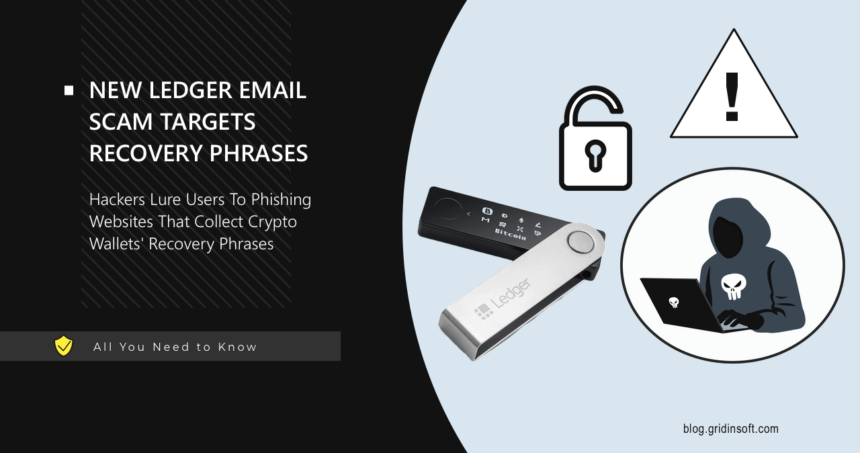
In January 2026, Ledger customers were targeted by phishing attacks following a significant data breach at Global-e, a third-party e-commerce service. This breach compromised sensitive order information, including customer names, shipping details, and product prices. Such information, although not directly connected to Ledger’s secure wallet systems, heightened the risk for customers. When attackers possess detailed order data, they can craft highly credible phishing messages that mimic legitimate communications, ultimately preying on unsuspecting customers.’
The implications of the Global-e leak highlight the vulnerability of users even when their self-custody wallets remain secure. While Ledger’s hardware and software were confirmed safe, the exposed data provided a springboard for scammers to launch sophisticated phishing attempts. It’s critical that customers remain vigilant, understanding that even when a service provider like Ledger maintains rigorous security protocols, external breaches can still facilitate targeted attacks, compromising user safety.
Phishing Against Ledger Users: The New Age of Scam Tactics
Phishing attempts against Ledger users have evolved, particularly in the wake of the data leaked during the Global-e incident. Scammers have begun to integrate real purchase information into their narratives, using details that can create urgency and compel victims to act quickly without thinking. For example, messages that reference specific order information or shipping delays can mislead customers into believing the communication is from a trusted source, leading them down a dangerous path as they expose sensitive information.
These phishing tactics rely heavily on personalizing messages to manipulate emotions like fear and urgency, making it imperative for users to become educated about these scams. Ledger’s ongoing communication and advisories stress the importance of recognizing these tactics and remind users that no legitimate entity will ask for sensitive information, such as recovery phrases, through unverified communications.
Recognizing and Responding to Phishing Attempts
Given the sophisticated nature of modern phishing attempts, recognizing signs of scams is crucial for Ledger users. Phishing messages often contain urgent calls to action, imploring recipients to verify account information or resolve supposed security issues. Customers need to understand that legitimate communications from Ledger will never pressure them in this manner. The exposure of real-world data from the Global-e breach adds an extra layer of authenticity to these scam messages, thus amplifying the need for caution and vigilance.
Users should treat any unsolicited support messages as untrusted until verified through official Ledger channels. This includes contacting Ledger directly or checking their official website for any scam-related updates. By staying educated on the latest threats and methods used by phishers, customers can better protect themselves against these increasingly deceitful tactics.
Preventing Scams: Best Practices for Ledger Users
To fortify their defenses against phishing attacks, Ledger users should adopt a proactive approach to digital security. This includes implementing best practices such as creating unique, complex passwords for different accounts and enabling two-factor authentication whenever possible. Moreover, users should regularly review their account activity for any unauthorized transactions and promptly change passwords if suspicious activity is detected.
Additionally, Ledger has established guidelines recommending that users never share their recovery phrases and only input them directly on their devices. Making a habit of adhering to these guidelines can significantly reduce the risk of falling victim to phishing schemes, particularly after incidents like the Global-e breach that compromise personal information and create misleading opportunities for attackers.
The Role of Education in Scam Prevention
Education plays a pivotal role in preventing phishing attacks against Ledger users. By staying informed about the latest phishing tactics and recognizing the importance of data privacy, users can empower themselves to identify and avoid potential scams. Ledger frequently updates its scam advisories, making information readily available to enhance user awareness and safety.
Moreover, users should encourage others within their community to understand these threats, fostering a collective intelligence against cybercrime. Sharing knowledge about how scammers operate, including the tactics they employ, can help build a more informed user base that is better equipped to respond decisively to potential threats.
Phishing Techniques Leveraged by Scammers
Scammers often utilize a variety of techniques to make their phishing attempts against Ledger users appear legitimate. One common approach is to use spoofed email addresses that closely resemble official Ledger accounts, creating an illusion of authenticity. Coupled with personalized information gleaned from data breaches, including the Global-e incident, these fraudulent messages can easily deceive unsuspecting customers.
In many cases, phishing communications will include official logos and design layouts to further enhance their credibility. Users are urged to scrutinize such messages and verify their authenticity, relying on established communication channels to differentiate between genuine communications and potential scams.
Analyzing the Impact of Data Breaches on Security
The recent Global-e breach underlines the fundamental principle that the security of customer data is an ecosystem effort. A breach at any point within the commerce chain can have a domino effect, exposing customer details that cybercriminals can exploit for phishing attacks. This highlights the necessity for all partners within the transaction process, including third-party services, to maintain stringent security protocols and practices.
Ultimately, the matter of data security extends beyond individual companies to include the responsibility of users to protect their own information. As the relationship between data breaches and phishing attempts grows tighter, understanding this dynamic will become increasingly essential for anyone engaged in cryptocurrency transactions.
Maintaining Vigilance in a Digital World
In the face of evolving threats, maintaining vigilance is paramount for Ledger users. Cybersecurity is a continuous process; it is not enough to set protections and forget about them. Users must remain alert, reviewing their security practices periodically to identify any gaps that could expose them to phishing attacks. This includes validating all incoming communications and being cautious about unsolicited requests.
Additionally, users can benefit from community resources, online forums, and official Ledger channels that provide insights into the latest scams and best practices for digital security. By fostering a culture of vigilance and proactive engagement, Ledger users can create a more secure environment for their financial transactions.
Conclusion: Safeguarding Against Phishing Risks
As the landscape of digital transactions continues to evolve, so too do the tactics employed by cybercriminals. The Global-e data breach serves as a reminder of the vulnerabilities present in the online ecosystem, particularly regarding phishing attempts aimed at Ledger users. Through awareness, education, and strong security practices, users can protect themselves from becoming victims of these scams.
In summary, safeguarding against phishing risks involves a multi-faceted approach that incorporates personal vigilance, technical safeguards, and ongoing education. By staying informed and proactive, Ledger users can continue to enjoy the benefits of self-custody while minimizing their exposure to potential threats.
Frequently Asked Questions
What is the risk of phishing against Ledger users following the Global-e breach?
Following the Global-e breach, phishing against Ledger users poses a significant risk due to the exposure of personal and order-related data. Phishers can use real purchase details to craft convincing messages that seem legitimate, making users more susceptible to scams.
How does the Global-e incident highlight the importance of Ledger security awareness?
The Global-e incident underscores that Ledger security relies not only on device safety but also on user awareness. Since real-world details were leaked, it’s crucial for users to recognize phishing attempts that utilize this information to appear authentic.
What strategies can users apply for scam prevention related to phishing against Ledger users?
For effective scam prevention against phishing targeting Ledger users, always treat unsolicited ‘support’ messages as untrusted, verify communications through Ledger’s official channels, and never share sensitive recovery phrases. These practices can greatly enhance your security.
Why are leaked order details especially dangerous for Ledger users in phishing scams?
Leaked order details can make phishing scams more dangerous for Ledger users because they provide phishers with contextual information, such as names, products, and prices, which can enhance the credibility and relevance of their messages, making them harder to detect.
How can Ledger users identify phishing attempts using data from the Global-e breach?
Ledger users can identify phishing attempts by looking for messages that refer to real-order details, create urgency around security issues, and ask for sensitive information. Always verify such communications through official Ledger resources before taking any action.
What common patterns are seen in phishing emails targeting Ledger users?
Common patterns in phishing emails targeting Ledger users include impersonations of Ledger or associated partners, urgency about security alerts, and requests for account verification. These messages often ask recipients to provide their recovery phrase, which Ledger never requests.
How does a data leak increase the risk of phishing against Ledger users?
A data leak increases the risk of phishing against Ledger users by exposing order-related data, which phishers can use to craft messages that seem credible and personalized. This real-order context can make phishing attempts appear legitimate and harder for users to identify as scams.
What should Ledger users do if they receive an unsolicited support message?
If Ledger users receive an unsolicited support message, they should treat it as untrusted. It is essential to verify the message through official Ledger channels instead of responding or clicking on any links provided in the message.
How can Ledger users maintain their security against phishing attacks?
Ledger users can maintain security against phishing attacks by adhering to key practices: never share their 24-word recovery phrase, verify all support communications through official Ledger channels, and remain skeptical of urgent messages that request personal information.
What lessons about phishing risks can Ledger users learn from the Global-e breach?
The Global-e breach teaches Ledger users that even with strong self-custody measures, the exposure of personal data from third-party services can lead to increased risk of phishing attempts. User vigilance and verification of communications are paramount to maintaining security.
Related: More from Security & Hacks | Privacy Coins and Their Role in Post-Hack Fund Flows Explained | Sun Yuchen Ex-Girlfriend Rumors: The Truth Behind Cybercrime Allegations