
Personal wallet security has emerged as a critical concern in the cryptocurrency landscape, especially following staggering losses due to crypto wallet hacks that reached $713 million in 2025. Despite users diligently following self-custody best practices like safeguarding seed phrases and verifying URLs, many still fell victim to breaches stemming from vulnerabilities within browser extensions. Notably, an exploited Trust Wallet update resulted in over $7 million in funds being drained unnoticed, underscoring the inherent risks of using browser-based wallets. As these applications constantly auto-update, understanding the delicate balance between usability and security becomes imperative for users engaged in crypto transactions. To enhance personal wallet security, it is essential to stay informed about potential threats such as browser extension vulnerabilities while adopting robust hardware wallet security measures.
The realm of digital asset management has increasingly spotlighted wallet safety as a paramount issue, particularly in light of alarming figures associated with personal wallet breaches. With significant sums lost to malicious crypto wallet hacks and attacks exploiting browser vulnerabilities, the need for comprehensive protective strategies has never been clearer. The availability of reliable hardware wallets and awareness of best practices for self-custody are crucial elements for safeguarding assets in today’s volatile market. As the industry grapples with the implications of compromised updates like that of Trust Wallet, users must remain vigilant against lurking dangers within the application landscape. The convergence of secure storage and user-friendly interfaces will play a vital role in bolstering overall safety standards for digital wallets.
Understanding Personal Wallet Security in the Age of Crypto Hacks
In recent years, the landscape of personal wallet security has dramatically shifted, particularly highlighted by the staggering loss of $713 million in 2025 due to wallet compromises. These attacks underscore that while user diligence—following self-custody best practices—is crucial, it is often not enough to thwart sophisticated threats. Security incidents such as the Trust Wallet update expose how malicious updates in browser extensions can stealthily exfiltrate sensitive wallet data, turning the very tools designed for self-custody into potential vulnerabilities. As threats evolve, it becomes imperative for users to re-evaluate their understanding of personal wallet security beyond traditional precautions.
The crucial element in safeguarding personal wallets is recognizing that wallet vulnerabilities often transcend private key mishandling. With developments in browser extension vulnerabilities, it’s vital to adopt layered security measures. These include utilizing hardware wallets for long-term storage and minimizing reliance on hot wallets, especially through browser extensions. While educating users about seed phrase safety and reputable wallets is foundational, the reality remains that relentless advancements in hacking techniques demand a more comprehensive security strategy.
Browser Extension Vulnerabilities: A Growing Concern
The advent of browser extensions has revolutionized the crypto experience, allowing for seamless transactions and interactions. However, this convenience comes with significant risks, particularly highlighted by incidents involving compromised updates like the Trust Wallet version 2.68 debacle. Such vulnerabilities not only endanger individual wallets but also cast a shadow on the broader crypto ecosystem, where malicious actors exploit the auto-update feature to disseminate harmful code, leading to substantial financial losses. As attackers increasingly target the browser layer, users must remain vigilant and change their approach to using these extensions.
To mitigate risks associated with browser extension vulnerabilities, users should adopt a selective approach to the extensions they install. Familiarizing oneself with the latest security news and updates about specific wallet extensions can help avoid falling prey to phishing and impersonation attempts. Regularly verifying the authenticity of the extensions in use and checking for unauthorized updates becomes paramount to securing one’s crypto assets. By prioritizing awareness and due diligence, users can navigate the treacherous waters of browser extensions more safely.
The Importance of Trust Wallet Updates and Their Impacts
Trust Wallet has been a popular choice among crypto enthusiasts for its user-friendly interface and strong security measures. However, the incident involving a malicious update in December highlights how even reputable wallets can be compromised. The incident, which resulted in substantial losses for users, emphasizes the necessity for awareness regarding software updates and their potential security implications. This incident also serves as a reminder that just because a wallet is widely trusted does not make it impervious to attacks.
In the wake of such vulnerabilities, it’s essential for users to stay updated on their wallet’s security features and the protocols they employ. Trust Wallet and similar services often issue updates to address emerging threats; thus, active engagement with these updates can reduce the risk of falling victim to exploits. By understanding the critical role updates play in wallet security, users can better manage personal assets and ensure they are not unwittingly exposed to significant threats.
Self-Custody Best Practices for Security in Crypto Wallets
Self-custody, while an effective strategy for managing digital assets, must evolve to meet advancing threats in the crypto space. The standard practices, such as never sharing a seed phrase or confirming URLs, are still vital; however, they are no longer sufficient against the complexities posed by hacker techniques that leverage browser-layer vulnerabilities. Users must enhance their self-custody hygiene by staying informed about the latest scams and employing additional security measures, such as hardware wallets for substantial amounts.
Moreover, incorporating layers of authentication and transaction verification can greatly assist in mitigating risks associated with self-custody. Users should regularly review and revoke unnecessary token approvals and adopt more friction during high-value transactions to ensure that they do not inadvertently approve dangerous contracts. By embracing a proactive stance towards self-custody and security practices, users can create a fortified environment for their digital assets.
The Rise of Hardware Wallet Security Amidst Looming Threats
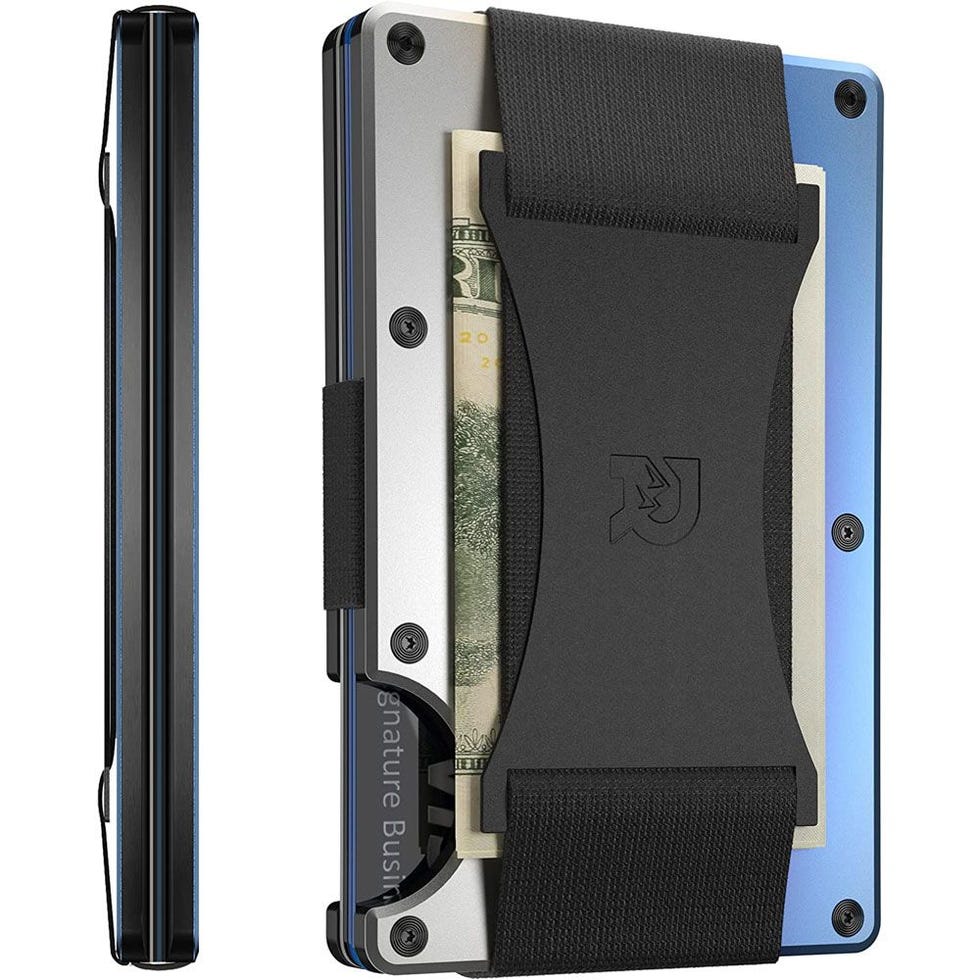
While software wallets and browser extensions offer unparalleled convenience, the rise of hardware wallet security cannot be overlooked. In an environment plagued by vulnerabilities, hardware wallets present a much-needed solution by storing private keys offline, significantly reducing the likelihood of unauthorized access. The conflict of usability versus security is a recurring theme in the crypto space, and hardware wallets fulfill a crucial role by allowing users to securely manage their assets while offering simplicity in their use.
Despite their advantages, hardware wallets are not without their own vulnerabilities, as seen with the Ledger Connect Kit exploit. Such instances remind users that while hardware wallets effectively isolate keys from online threats, they are not invulnerable to attacks targeting the broader ecosystem. Educating oneself on the layering of security—from employing hardware wallets to understanding how Web3 integrations might present risks—is essential for users serious about protecting their digital assets.
Analyzing the Impact of Crypto Wallet Hacks on Users
The alarming statistic that personal wallet compromises accounted for a staggering 20% of the total crypto theft in 2025 signifies a critical shift in attack vectors targeting users directly. This reality not only illustrates the evolving nature of threats but also highlights the need for enhanced security measures individualized for personal wallet users. Understanding the factors that contribute to these attacks can empower users to fortify their defenses and mitigate vulnerabilities that hackers exploit.
Critically analyzing past hacks provides essential learning opportunities for both individuals and businesses within the crypto space. Users must view personal wallet security not as a standalone issue but as part of a robust defense strategy. Employing tools that detect phishing attempts, leveraging multi-factor authentication, and keeping abreast of the latest security updates can significantly reduce risks. By collectively addressing the lessons from past breaches, users can enhance their strategies for managing personal wallets effectively.
Dangers of Ignoring Security Updates in Crypto Wallets
Ignoring security updates in crypto wallets can have dire consequences, as evidenced by the recent incidents involving compromised extensions that resulted in devastating losses for users. Automated updates—while usually a safeguard—can simultaneously risk disseminating malicious code if proper scrutiny isn’t applied. The challenge lies in striking a balance between embracing the convenience of auto-updates while ensuring that security measures are in place to protect wallet integrity.
Users must remain proactive in their approach, prioritizing hands-on verification of wallet updates and being alert to any unusual activity surrounding their accounts. Developing the habit of regularly consulting official channels for news regarding updates fosters a safer cryptocurrency environment. Ultimately, maintaining a vigilance over wallet updates can significantly curb risks and protect precious digital assets from the encroaching threats present in today’s digital landscape.
Commanding Awareness on Phishing Scams Targeting Wallet Users
Phishing scams targeting wallet users are on the rise, as attackers leverage social engineering techniques to exploit unsuspecting individuals. By constructing convincing impersonations of trusted platforms and wallets, they aim to capture sensitive information such as private keys and seed phrases. The alarming frequency of these scams underlines the fact that merely safeguarding the wallet isn’t enough; user awareness is a crucial pillar of security that must be reinforced continually.
A proactive awareness strategy involves users educating themselves about phishing traps and familiarizing themselves with common tactics used by scammers. Implementing two-factor authentication for wallet access, being suspicious of unsolicited communications, and maintaining a secure environment for transactions can help ward off these threats. Without a collective effort to combat phishing, users remain perilously exposed to the sophisticated tricks employed by cybercriminals.
Ultimate Checklist for Safe Crypto Wallet Usage
To enhance security when using crypto wallets, implementing a comprehensive checklist is essential. This checklist should include items such as verifying the authenticity of wallet extensions, regularly reviewing token approvals, and maintaining good endpoint hygiene, including keeping browsers and operating systems updated. These fundamental practices form the backbone of safeguarding one’s digital assets and ensuring that the likelihood of encountering vulnerabilities is minimized.
Beyond standard precautions, users should also be encouraged to adopt advanced security measures, like using hardware wallets for significant amounts, isolating browser environments for crypto activities, and enabling features such as phishing detection. Through diligent adherence to this checklist, users can create a fortified approach toward crypto wallet usage that not only prioritizes accessibility but also embodies a deep commitment to personal and asset security.
Frequently Asked Questions
What are the key best practices for personal wallet security to avoid crypto wallet hacks?
To ensure personal wallet security and minimize risks of crypto wallet hacks, users should follow these best practices: always keep your seed phrase private, use hardware wallets for long-term storage, regularly review wallet permissions, and verify wallet extension versions. Avoid using browser wallets for significant funds and limit the number of installed browser extensions to reduce potential vulnerabilities.
How has the Trust Wallet update impacted personal wallet security?
The Trust Wallet update, specifically version 2.68, exemplifies the vulnerabilities in personal wallet security. This compromised update exfiltrated wallet data, leading to the loss of approximately $7 million. Users should always check for official updates and be cautious of auto-updating extensions that could introduce malicious code.
What are the most common vulnerabilities in browser extension wallets regarding personal wallet security?
Browser extension wallets often face vulnerabilities from malicious updates, adware, and scripts that can intercept sensitive information like seed phrases. Personal wallet security is compromised when extensions introduce bad code during auto-updates, making it essential to verify extension integrity and authenticity periodically.
What role do self-custody best practices play in enhancing personal wallet security?
Self-custody best practices are vital for enhancing personal wallet security. They include securely managing seed phrases, using reputable wallets, and ensuring strong endpoint hygiene. However, these practices must be combined with awareness of browser-layer vulnerabilities, as even diligent users can still fall victim to sophisticated attacks.
How can hardware wallet security be improved against personal wallet hacks?
To improve hardware wallet security against personal wallet hacks, users should employ air-gapped signing, ensuring that private keys never interact with a compromised browser environment. Regularly updating device firmware and using the hardware wallet in conjunction with secure, verified applications can significantly mitigate risks.
What measures can users take to protect themselves from browser extension vulnerabilities affecting personal wallet security?
To protect against browser extension vulnerabilities, users should limit the number of extensions installed, regularly check publisher details and versions of wallet extensions, and use dedicated browsers for crypto transactions. Additionally, employing antivirus software that targets info-stealers can further strengthen personal wallet security.
Why do personal wallet compromises pose a significant risk in the cryptocurrency space?
Personal wallet compromises accounted for 20% of crypto theft in 2025, which illustrates a significant risk in the cryptocurrency space. Vulnerabilities in browser extensions and user interfaces that mask malicious activity make it easier for attackers to exploit unsuspecting users, despite their adherence to best practices.
What critical updates or changes are needed to improve personal wallet security in the industry?
To enhance personal wallet security, the cryptocurrency industry must focus on isolating wallet functionalities from hostile browser environments, abandoning auto-updating extensions when possible, and developing genuinely secure signing processes that do not rely on potentially compromised JavaScript. Improving user education is also essential but must address these architectural vulnerabilities.
| Key Point | Details |
|---|---|
| Personal Wallet Hacks | In 2025, personal wallet hacks totaled $713 million, highlighting vulnerabilities at the browser layer rather than user mistakes. |
| Trust Wallet Incident | A malicious update to Trust Wallet’s Chrome extension drained approximately $7 million of user funds. |
| MetaMask Vulnerability | A fake extension in the Chrome Web Store was found to steal users’ seed phrases. |
| Browser Extension Risks | Campaigns show that benign extensions can be updated to include malicious code, increasing the risk to users. |
| Shift in Compromise Rates | Personal wallet compromises rose from 7.3% in 2022 to 44% in 2024 before stabilizing at around 23% in 2025. |
| Security Best Practices | Users are advised to keep funds in hardware wallets, verify extensions, and avoid sharing their seed phrases. |
| Attack Layers | Attacks can occur through four layers: browser and OS, wallet extensions, dApp libraries, and RPC/blockchain. |
| Hygiene Checklist | Recommendations include isolating browsers for crypto, keeping software updated, and using wallet safety features. |
| Industry Acknowledgement | The industry recognizes that while user education is important, the real issue is the compromised user experience layer. |
Summary
Personal wallet security is a critical concern, especially with significant losses attributed to personal wallet hacks reaching $713 million in 2025. The primary issue does not lie with user negligence but rather in the practices and vulnerabilities at the browser layer. As attacks continue to evolve, it’s crucial for users to adopt robust security measures and understand the risks associated with browser extensions and wallet management to safeguard their assets.
Related: More from Regulation & Policy | UK Gambling Regulator Examines Cryptocurrencies for Licensed Bettors in Crypto Regulation | Blocks Retreat Signals Broader Payments Shifts