

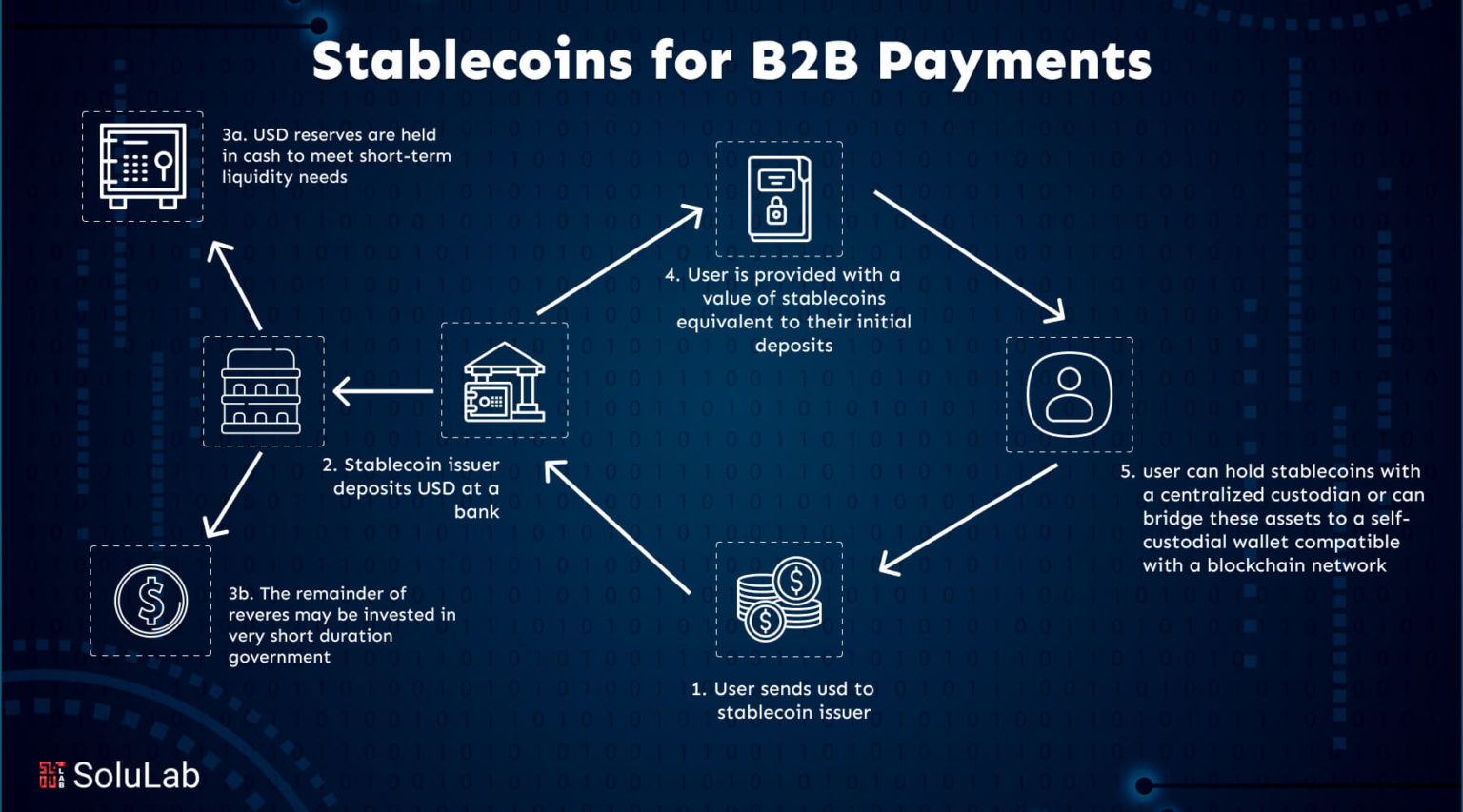

Payment stablecoins have emerged as a prominent topic in the financial landscape, particularly following the Commodity Futures Trading Commission (CFTC)’s recent updates. By including national trust banks in the criteria for these fiat-pegged tokens, the CFTC acknowledges their unique role in the evolving ecosystem of digital currencies. This regulatory shift is framed within the broader context of stablecoins regulation that aims to provide a clear framework for issuers and consumers alike. With the enactment of the GENIUS Act 2025, stricter guidelines regarding stablecoins criteria are now in place, ensuring that these financial instruments are both secure and reliable. As the adoption of payment stablecoins continues to rise, the dialogue surrounding their regulation and oversight becomes increasingly vital for maintaining market integrity.

Digital currencies, particularly those designed for transactional purposes, are gaining significant attention in today’s economy. Known as payment stablecoins, these tokens offer a tether to fiat currencies, fostering trust and stability. The recent moves by regulators such as the CFTC to include national trust banks as eligible issuers highlights a burgeoning acceptance of these innovative financial instruments. With the framework established by the GENIUS Act 2025, the landscape for stablecoins regulation is becoming more structured. This evolution of the digital currency space necessitates a thorough understanding of the stablecoins criteria that underpin their issuance and usage.
| Key Point | Details |
|---|---|
| CFTC Expands Payment Stablecoin Criteria | The CFTC has reissued a letter to include national trust banks as issuers of payment stablecoins. |
| National Trust Banks Role | They provide custodial services, act as executors, and offer asset management without retail banking services. |
| Impact of the GENIUS Act | Signed into law in July 2025, it provides a regulatory framework for US dollar stablecoins. |
| FDIC Proposal for Commercial Banks | In December 2025, the FDIC proposed conditions for banks to issue stablecoins, including collateral requirements. |
| Overcollateralized Stablecoins | Under the GENIUS Act, only overcollateralized stablecoins backed 1:1 with fiat currency are recognized. |
| Exclusion of Algorithmic Stablecoins | Algorithmic stablecoins and synthetic dollars are not included in the regulatory framework. |
Summary
Payment stablecoins are increasingly recognized in the United States as part of a broader regulatory framework, especially with the CFTC’s recent inclusion of national trust banks as eligible issuers. This shift not only reflects the evolving regulatory landscape following the GENIUS Act but also positions payment stablecoins as a secure and viable option for digital transactions in the financial system. Understanding their role and regulation is crucial as the demand for stable digital currencies continues to grow.
CFTC’s New Regulations for Payment Stablecoins
The Commodity Futures Trading Commission (CFTC) has taken a significant step in the realm of payment stablecoins by expanding its criteria to welcome national trust banks as eligible issuers. This move comes in response to a growing demand for regulatory clarity around stablecoins in the U.S. financial landscape. The inclusion of national trust banks allows these institutions to issue fiat-pegged tokens, broadening the scope of players in the stablecoin market, which primarily includes banks and existing financial firms.
The recent update to the CFTC regulations acknowledges the unique role national trust banks play in the financial ecosystem, even though they do not provide standard retail banking services. Instead, they focus on custodial services and asset management. By recognizing their capabilities, the CFTC signals a progressive approach towards stablecoin regulation, thus fostering innovation and enhancing the stability of the digital asset environment.
Significance of the GENIUS Act 2025 for Stablecoins
The GENIUS Act 2025 marks a pivotal moment for the regulation of stablecoins in the United States. This comprehensive law establishes clear guidelines and criteria for what constitutes a permissible stablecoin, emphasizing those that are backed 1:1 by cash deposits or short-term government securities. The act aims to build consumer trust and ensure financial stability by mandating that only overcollateralized stablecoins operate under its framework.
With the GENIUS Act in place, the regulation of stablecoins is set to undergo a major transformation. Institutions will now have to meet rigorous standards to issue stablecoins, which means enhanced oversight and accountability. This will not only protect consumers but also pave the way for innovation in the digital currency market that aligns with traditional financial principles.
The Role of National Trust Banks in the Stablecoin Ecosystem
National trust banks play a critical role in the expanding ecosystem of payment stablecoins. Their unique structure allows them to manage and safeguard assets without engaging in retail banking functions, which differentiates them from traditional commercial banks. This capacity enhances their ability to issue stablecoins that can stand up against market volatility while reassuring users of their stability and backing.
Furthermore, national trust banks are poised to provide institutional-grade services for the issuance and management of stablecoins. Their focus on custodial services positions them as robust players in the stablecoin market, where trust and regulatory compliance are paramount. With the approval from the CFTC, these banks can now confidently venture into issuing fiat-pegged tokens, which could lead to increased participation from institutional investors.
Stablecoins Regulation Under the CFTC
Regulation of stablecoins by the CFTC represents a crucial development in the interplay between traditional finance and cryptocurrency. The CFTC’s guidelines are not just about compliance; they reflect an understanding of the diverse functions that stablecoins serve. With the expanded definitions, regulators are creating a framework that is conducive to innovation while simultaneously protecting market integrity.
The CFTC’s regulatory approach underscores the importance of setting clear boundaries for stablecoins, which can potentially stabilize the cryptocurrency market amidst fluctuating valuations. By delineating which institutions can issue payment stablecoins, the CFTC aims to foster a secure environment for investors, ensuring that only credible entities can participate in this burgeoning sector.
Impact of the FDIC Framework on Stablecoin Issuance
The Federal Deposit Insurance Corporation (FDIC) has proposed a pioneering framework that could enable commercial banks to issue their own stablecoins. This initiative aligns well with the CFTC’s recent regulatory updates by setting stringent requirements for stablecoin issuance, such as the necessity for adequate backing and redemption policies. A regulated bank-issued stablecoin could gain significant trust from the market due to the assurance of regulatory scrutiny and deposit insurance.
The FDIC’s involvement in the stablecoin issuance sphere not only reinforces the legitimacy of such digital assets but also integrates them further into the formal banking system. As commercial banks become active participants in the stablecoin market, effective regulation by agencies such as the FDIC will ensure these assets are stable, secure, and beneficial to consumers and businesses alike.
Overcollateralization: The Future of Stablecoins
The concept of overcollateralization is becoming increasingly critical in the stablecoin market, particularly as regulatory frameworks evolve. Under the GENIUS Act 2025, only stablecoins that are overcollateralized will be recognized as legitimate instruments, thereby setting a high bar for issuers. This requirement ensures that stablecoins maintain a solid reserve or backing that corresponds proportionally to the value of the digital assets issued.
Adopting an overcollateralized model could significantly enhance the overall trustworthiness of stablecoins, mitigating risks associated with market volatility. This shift will likely drive more robust financial practices among issuers, ultimately leading to a more stable and reliable stablecoin landscape that attracts both retail and institutional investors.
The Future Regulatory Landscape for Stablecoins
As the environment for stablecoins continues to evolve, regulators are expected to adapt their frameworks to ensure ongoing stability and security within the cryptocurrency ecosystem. With the CFTC, FDIC, and other regulatory bodies engaging in the sector, the future may see increasingly sophisticated levels of oversight that assure consumers of their investment safety while encouraging innovation in the financial technology sphere.
The establishment of clear regulations will likely invite further participation from traditional financial institutions. By creating a well-defined regulatory landscape, authorities can foster a marketplace that not only allows innovation but also prioritizes consumer protection and market integrity, ultimately contributing to a thriving economic environment for stablecoins.
The Relationship Between Stablecoins and Traditional Banking
The emergence of stablecoins represents a significant intersection between digital finance and traditional banking systems. As institutions such as national trust banks begin to issue payment stablecoins, traditional banking practices are being influenced and reshaped in the digital age. The need for regulatory compliance will drive banks to establish policies that align with stablecoin frameworks, ensuring they can operate in a dual capacity within this evolving landscape.
Moreover, the integration of stablecoins into banking services could enhance customer experiences with quick transactions, lower fees, and improved access to capital. As banks harness the technology behind stablecoins, they may offer innovative products and services, effectively merging the strengths of the digital economy with the reliability of traditional banking.
Consumer Protection in the Stablecoin Sphere
As stablecoins gain traction in the financial market, ensuring consumer protection has become an essential priority for regulators. With agencies like the CFTC and FDIC scrutinizing and setting guidelines for stablecoin issuance, consumers can expect improved transparency and security over how these assets are managed. The introduction of robust standards for stablecoins under the GENIUS Act aims to safeguard users’ interests, keeping them informed and secured.
Moreover, consumer education around stablecoins is necessary for fostering trust. As the market evolves, stakeholders must provide clear and accessible resources to inform consumers about the nature of these digital assets, and what it means to engage with them within a regulated environment. This proactive approach will help mitigate risks associated with volatility and misuse, ultimately enhancing the public’s confidence in stablecoins.
Frequently Asked Questions
What are payment stablecoins and how do they relate to the CFTC’s criteria?
Payment stablecoins are digital assets pegged to fiat currencies, designed to maintain a stable value. Recently, the CFTC expanded its criteria for payment stablecoins to include national trust banks, acknowledging these institutions can issue fiat-pegged tokens. This regulatory change aims to enhance the legitimacy and security of payment stablecoins in the financial ecosystem.
How has the GENIUS Act 2025 affected payment stablecoins?
The GENIUS Act 2025 establishes a regulatory framework for payment stablecoins, specifically focusing on US dollar stablecoins. Under this act, payment stablecoins must be overcollateralized with cash deposits or short-term government securities, creating a robust standard for issuance and ensuring their stability within the market.
What role do national trust banks play in the issuance of payment stablecoins?
National trust banks, which offer custodial and asset management services without providing traditional retail banking operations, are now recognized by the CFTC as eligible issuers of payment stablecoins. This inclusion is significant as it broadens the scope of institutions capable of contributing to the stablecoin market.
What are the regulations surrounding stablecoins according to the Federal Deposit Insurance Corporation (FDIC)?
The FDIC has proposed a regulatory framework allowing commercial banks to issue payment stablecoins. This framework includes stringent requirements such as having a clear redemption policy and maintaining adequate backing collateral, ensuring that only overcollateralized stablecoins are compliant with the provisions set forth by the GENIUS Act.
How do stablecoins criteria ensure consumer safety and market stability?
The stablecoins criteria established by the CFTC and reinforced by the GENIUS Act mandate that payment stablecoins must be overcollateralized. This means that for every token issued, there is a dollar-equivalent amount backed by cash or government securities, which enhances consumer safety and promotes overall market stability by mitigating risks associated with unstable digital assets.
What types of stablecoins are excluded from the GENIUS Act regulatory framework?
The GENIUS Act specifically excludes algorithmic stablecoins and synthetic dollars, which are not backed by tangible assets. Instead, it provides a framework that only recognizes overcollateralized payment stablecoins, ensuring that these digital currencies have a reliable foundation and can maintain their peg to the US dollar.
How does the CFTC’s staff letter impact the future of payment stablecoins?
The CFTC’s reissued staff letter expands the definition of payment stablecoins to include national trust banks as issuers. This expansion is expected to contribute to a more diverse and robust stablecoin ecosystem, encouraging innovation and potentially increasing the adoption of payment stablecoins in everyday transactions.
Why is the recognition of national trust banks significant for payment stablecoins?
Recognizing national trust banks as issuers of payment stablecoins broadens the landscape of regulated entities capable of creating these digital currencies. It fosters competition and potentially enhances consumer trust, as national trust banks are subject to regulatory scrutiny, thus reinforcing the stability and security of payment stablecoins.