


Record Financial Brings Instant Royalty Payouts Onchain via Avalanche
In a groundbreaking move poised to transform the music industry, Record Financial has launched a new platform that leverages blockchain technology to facilitate instant royalty payouts. This innovative system operates on the Avalanche blockchain, known for its high throughput and low transaction costs. This development heralded by Record Financial heralds a new era of efficiency and transparency for artists and rights holders.

Key Takeaways
The Need for Change in Royalty Distribution
Traditionally, the royalty payment process has been notoriously opaque, slow, and cumbersome; this inefficiency often leaves artists waiting months to receive their earnings. Moreover, conventional systems are frequently laden with administrative complexities and numerous intermediaries, each taking a cut of the revenue, thereby reducing the actual amount that reaches the creators.
The music industry, despite its vibrant creativity and substantial economic contributions, has long struggled with these issues of financial transparency and fairness. As digital consumption of music continues to grow, the demand for more equitable distribution models has become louder. These models need to ensure that artists are compensated fairly and promptly for their work.
How Record Financial’s Onchain Solution Works
Record Financial’s innovative solution involves migrating royalty transactions onto the Avalanche blockchain. By doing so, it leverages the blockchain’s inherent qualities of decentralization, immutability, and transparency. Each transaction recorded on this platform is verifiable and cannot be altered, ensuring artists and stakeholders can see exactly what was earned and when.
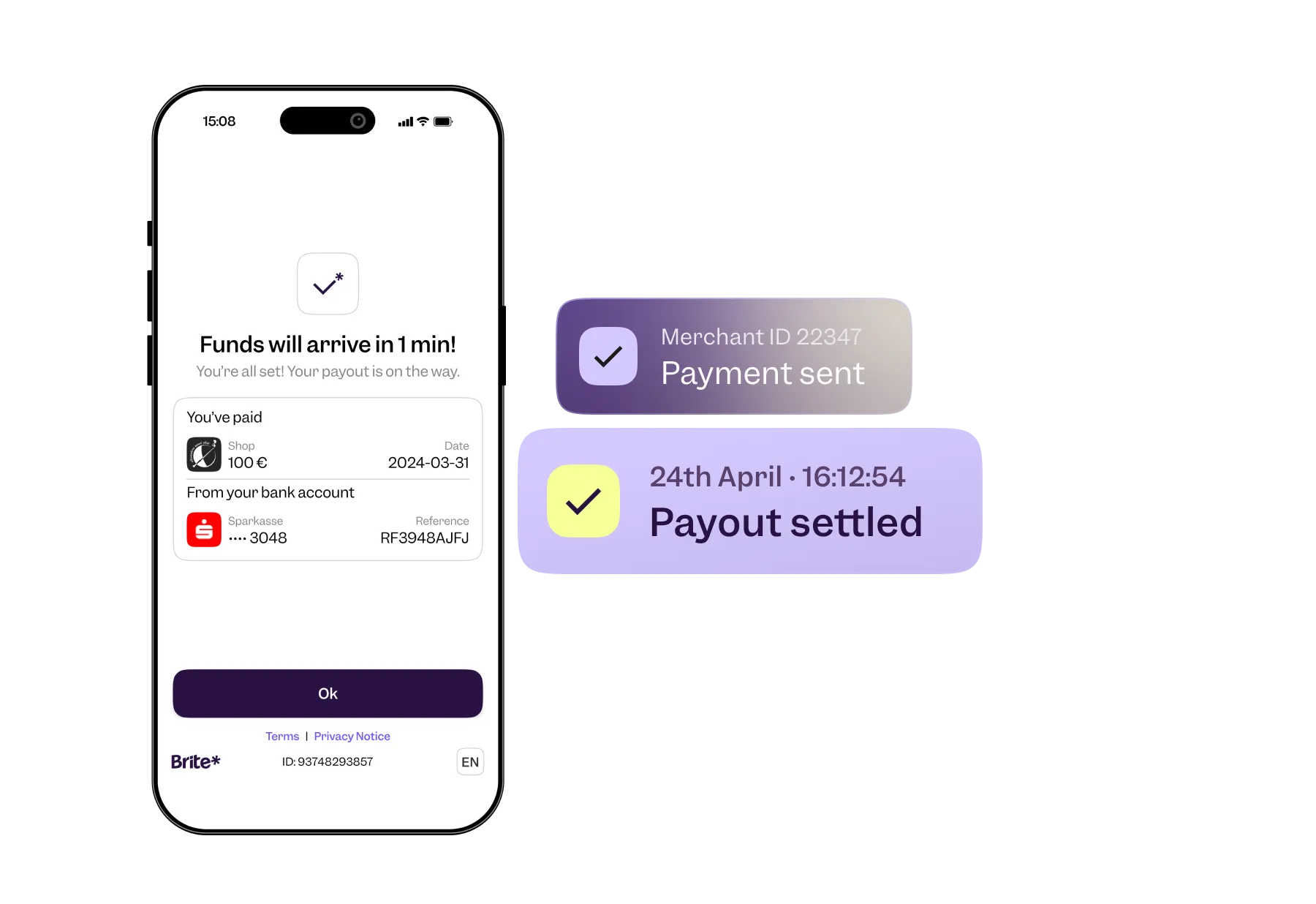
Utilizing smart contracts, Record Financial automates the calculation and distribution of royalties. When a consumer streams or purchases a song, the corresponding payments are instantly split according to the pre-defined royalty shares and distributed directly to each stakeholder’s digital wallet. This automation not only significantly speeds up the payment process but also minimizes the potential for errors and disputes.
Benefits of Avalanche Blockchain
Choosing Avalanche as the underlying technology for this platform brings several key advantages:
- Speed: Avalanche provides near-instant transaction finality, meaning that artists can receive payments in real time.
- Scalability: The platform can handle a high volume of transactions, important for global music industry operations.
- Low Costs: Transaction fees on Avalanche are significantly lower compared to other blockchains, making it economically viable for small payments typical in royalty distributions.
- Eco-Friendliness: Avalanche is known for its low energy consumption compared to traditional proof-of-work blockchains, aligning with the growing push for sustainability in tech.
The Future Impact on The Music Industry
Record Financial’s onchain royalty distribution system represents a significant step forward in ensuring fair remuneration for artists. The immediate access to funds could potentially alleviate the financial instability many artists face and possibly reinvest quicker into their creative processes. Moreover, this model could inspire broader reforms within the music industry, encouraging other sectors to examine how blockchain can be utilized to democratize and improve their operational processes.
Furthermore, as this system allows for transparent viewing of transaction histories, it could lead to a more trustful environment where artists feel more in control of their earnings. The added transparency can also attract investors and sponsors who are assured by the clear financial trails.
Conclusion
Record Financial, through its implementation of blockchain technology via the Avalanche network, is setting a new standard for how royalties should be handled in the music industry. This move could mark the beginning of a wave of adoption, where blockchain becomes integral to the entertainment industry, guaranteeing that creators are appreciated and rewarded for their efforts in a timely manner. As the platform evolves and more stakeholders come onboard, the dream of a more just and efficient system seems increasingly within reach.