
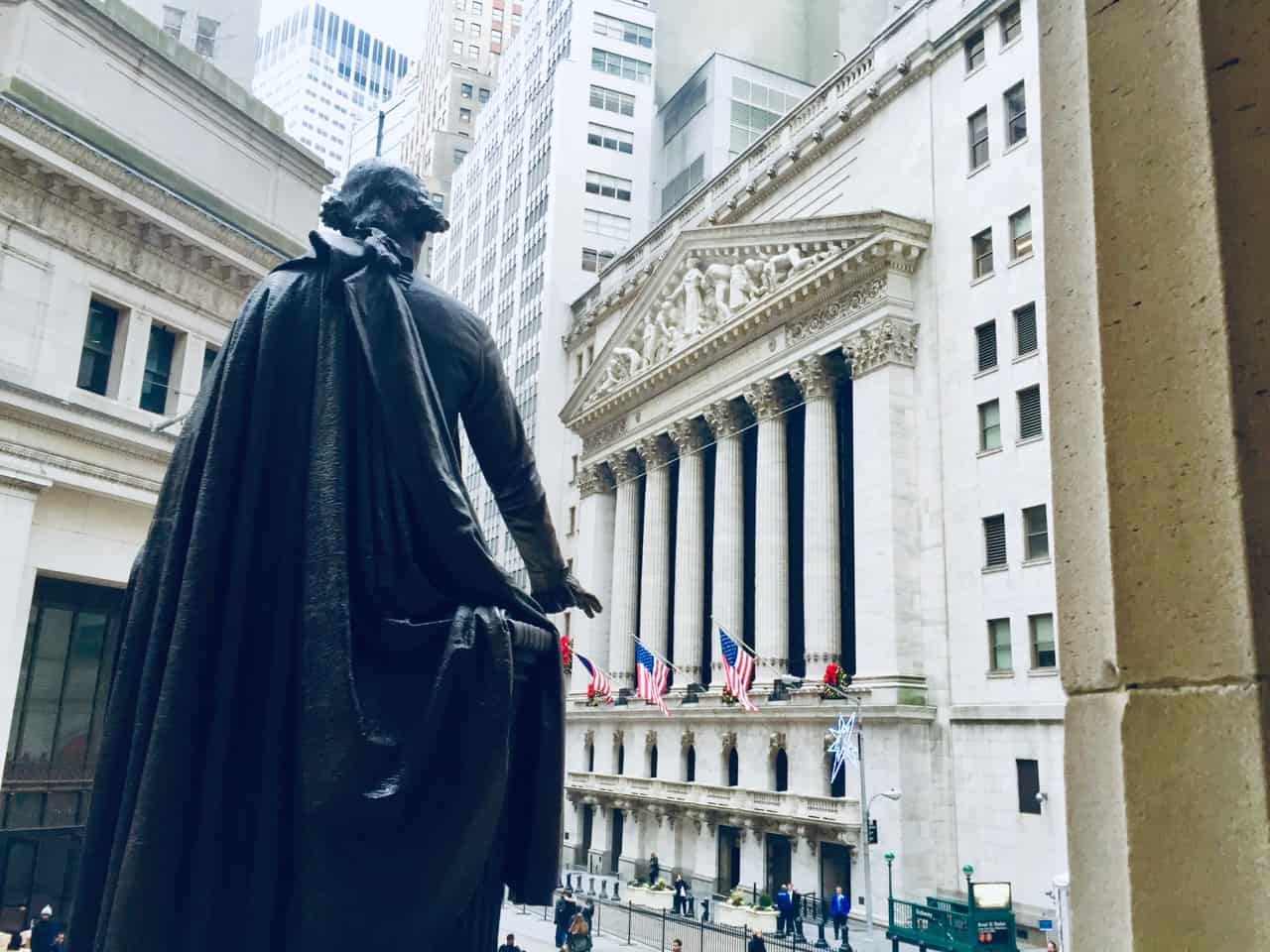

The NYSE tokenization plan marks a significant intersection of traditional finance and blockchain innovation, aiming to redefine how trading occurs in financial markets. This ambitious initiative promises to facilitate 24/7 trading and instant settlements, although many analysts have raised concerns about its viability. Critics argue that the plan appears more like “concept packaging” than a detailed, actionable strategy, primarily due to the absence of crucial specifics regarding supported blockchains and regulatory pathways. The NYSE aims to retain its role within a heavily regulated trading environment, but the inherent benefits of tokenization, such as permissionless access and lower barriers to entry, clash with its existing market structure. As the financial landscape evolves, the NYSE tokenization plan could either serve as a beacon of innovation or an empty promise without sufficient backing and clarity.

The initiative by the New York Stock Exchange to embrace tokenization reflects a growing trend in modern trading environments, often described as a fusion of blockchain technology with conventional stock market practices. This proposal for a comprehensive digitization strategy aims to enable round-the-clock trading capabilities, challenging traditional market calendars and fostering a more fluid financial ecosystem. However, many experts express skepticism about the practicality and depth of this plan, which seems to lack the necessary details that would assure stakeholders of its feasibility. While the concept offers potential access to innovative trading experiences, concerns linger regarding how it will coexist within current regulatory frameworks governing traditional exchanges. Ultimately, this transformation could redefine market participation, but it requires a firm commitment to transparency and operational clarity.
| Key Point | Description |
|---|---|
| Tokenization Plan | The NYSE’s tokenization initiative is perceived as lacking substance. |
| Analyst’s View | Omid Malekan suggests the plan is more of a concept than a viable implementation. |
| Limitations | The plan’s ambition for 24/7 trading and instant settlements is not exclusive to blockchain technologies. |
| Lack of Details | There are no specifics regarding supporting blockchains, stablecoins, or technical standards. |
| Regulatory Hurdles | The NYSE’s plan awaits regulatory approval, complicating its feasibility. |
| Public Chain Advantages | Public chains offer permissionless access, contrasting with the NYSE’s limited access model. |
Summary
The NYSE tokenization plan raises more questions than answers. Despite its presentation as a forward-thinking initiative, it struggles with clarity and concrete details. As analysts point out, without addressing the core issues of regulatory compliance and the technological framework, the NYSE’s ambitions risk being overshadowed by existing market structures and interests. The challenge remains for the NYSE to clearly articulate how its plan will differ from traditional systems and to provide the necessary insights for stakeholders to feel confident in this ambitious endeavor.
Understanding the NYSE Tokenization Plan
The NYSE’s tokenization plan has been positioned as a groundbreaking move in the financial markets. However, analysts like Omid Malekan emphasize that what we see is more of a concept than a fully-fledged strategy. While the intention is to innovate through blockchain technology, many argue that the details required for meaningful implementation are conspicuously absent. This raises concerns regarding the viability of such a plan when it is not built on solid foundations.
In the context of blockchain innovation, the NYSE’s aspirations for a tokenization strategy appear inadequate. The existing financial infrastructure already supports the notion of 24/7 trading and instantaneous settlements, which the NYSE highlights as unique advantages of their proposal. This not only questions the necessity of a shift to blockchain but also reflects the challenges posed by the entrenched interests of conventional intermediaries. Without disclosure of the specific blockchains or stablecoins that would power this initiative, skepticism continues to grow.
The Role of Blockchain in Regulated Trading
While the NYSE touts the potential benefits of blockchain in fostering regulated trading, the reality is more complex. There is a perception that the true power of blockchain lies in its permissionless nature, allowing users worldwide to access financial products without intermediary barriers. However, the NYSE’s market structure imposes qualification limits that directly contradict this principle, thereby raising questions about the integrity and inclusiveness of their tokenization plan.
Regulated trading in crypto exchanges is often touted as a means to ensure security and compliance, yet the NYSE’s approach could be seen as reinforcing existing power dynamics within the financial ecosystem. The challenge lies in bridging the gap between traditional finance and innovative blockchain applications. Ultimately, for the NYSE to transition effectively into a tokenized landscape, it must reconcile its operational ethos with the foundational tenets of blockchain technology.
Concerns regarding the NYSE’s tokenization plan cannot be overlooked, especially considering the essential elements necessary for operational success. It is crucial not only for the organization to define the specific technological standards and blockchain infrastructure involved but also to clarify the regulatory landscape that will govern this new venture. As such, the NYSE must be transparent about its objectives and commitments to avoid mere speculation surrounding its intentions.
In this rapidly evolving sector, it is vital for major institutions like the NYSE to clearly outline how they plan to integrate blockchain functionalities within the framework of regulated trading. The continuation of trust and stability in financial markets is paramount, but it requires that traditional exchanges embrace and fully articulate how they will transition to or incorporate decentralized systems.
Challenges Facing the NYSE’s Innovation Strategy
Despite the NYSE’s claims of being at the forefront of financial innovation, significant hurdles remain on the path toward successful tokenization. The existing centralized financial models are heavily reliant on established partnerships and intermediaries, which could stifle true innovation in a blockchain context. The juxtaposition between the NYSE’s strategic objectives and the rigidities of current practices presents a formidable challenge.
Furthermore, without adequate details about the integration of blockchain technology or clarity regarding which cryptocurrencies will front this initiative, potential investors and partners remain wary. The NYSE may risk alienating users who seek the inherent benefits of blockchain — such as transaction transparency and reduced costs — by not fully committing to a transparent and comprehensive implementation plan.
Comparing Traditional and Blockchain Trading Models
The juxtaposition between traditional trading models and blockchain-powered platforms is striking. The traditional NYSE model prioritizes the role of qualified brokers overseeing trades, but many see this as an outdated practice that stands in stark contrast to the promise of decentralized finance (DeFi). A blockchain-driven model could dismantle these barriers, providing access to a broader audience and democratizing trading overall.
However, blockchain’s advantages are not just limited to accessibility; they extend to operational efficiencies and reduced transaction fees. Understanding how the NYSE plans to harness these benefits while adhering to regulatory frameworks is critical to gauging the potential impact of its tokenization plan. As this conversation evolves, market participants will be eager to see how the NYSE reconciles its traditional practices with the disruptive possibilities of blockchain.
Investor Expectations for Blockchain Integration
As discussions around the NYSE’s tokenization plan gain traction, investors are understandably anxious to see tangible outcomes. With the promise of enhanced efficiencies and new investment opportunities, many are eager to understand how these blockchain innovations will manifest within a regulated environment. This anticipation is compounded by the overall push for modernizing trading platforms to better serve the demands of a digital-first economy.
However, the current ambiguity regarding the specifics of the NYSE’s tokenization strategy may dampen investor enthusiasm. Transparency around the technologies to be utilized, potential partnerships within the blockchain space, and how this aligns with existing trading regulations are crucial for nurturing investor confidence. As the NYSE looks to engage the market, clarity and openness will play pivotal roles in fostering trust and securing buy-in.
The Intersection of Compliance and Innovation
For the NYSE, striking a balance between compliance and blockchain innovation is paramount. As regulators keep a close watch on the interplay between cryptocurrencies and traditional finance, the NYSE must navigate these waters carefully. The emphasis on maintaining compliance while also embracing technological advancements leads to an intricate landscape which could either spur development or hinder progress.
Given the urgency surrounding the adoption of blockchain technology in the financial sector, the NYSE’s tokenization plan must not only address regulatory approvals but also demonstrate a genuine commitment to leveraging blockchain’s capabilities. This means creating a framework that embraces innovation while upholding the principles of security and transparency. Without this dual focus, the vision of a tokenized NYSE may remain just that — a vision without real-world applicability.
Potential Impact on Financial Markets
The ramifications of the NYSE’s tokenization plan extend beyond the exchange itself, influencing the broader financial markets. Should the NYSE successfully implement its strategy, it could serve as a lighthouse for other financial institutions considering similar moves towards blockchain technology. However, if the plan falters due to lack of clarity and execution, it could stymie momentum in blockchain adoption across traditional finance.
Moreover, this tokenization initiative holds the promise to reshape investor behavior and market dynamics. Envisioning a future where assets can be tokenized and traded seamlessly could potentially invigorate trading volumes and attract new investors, particularly from the increasingly digital-savvy younger demographic. The success or failure of the NYSE’s approach will undoubtedly be closely scrutinized as it could set critical precedents for the evolution of financial markets in the years to come.
Navigating Regulatory Landscape for Innovative Solutions
Navigating the regulatory landscape is a multifaceted challenge in the context of blockchain innovation. As the NYSE endeavors to implement its tokenization plan, attention must be given to the existing regulations that govern asset trading. Gaining regulatory approval is not simply a box to check — it forms the backbone of how such initiatives are structured and executed in practice.
Therefore, collaboration with regulatory bodies is essential for the NYSE to align its tokenization efforts with legal frameworks. This ongoing dialogue can also provide insights into potential adjustments that could enhance the success of blockchain initiatives, ensuring that they remain compliant while appealing to the principles of decentralization that blockchain inherently offers. Balancing these factors will be vital for crafting an innovative but responsible roadmap for the NYSE’s future.
Conclusion: The Future of NYSE and Tokenization
As the NYSE stands on the precipice of a new era defined by tokenization and blockchain integration, the outcome of its plans remains uncertain. Stakeholders continue to call for transparency regarding the details that underpin this ambitious vision. The evolving landscape of financial markets, driven by the demand for immediate settlement and 24/7 trading, beckons traditional players to adapt or risk obsolescence.
Ultimately, if the NYSE can successfully navigate these challenges with a thoughtful approach to its tokenization plan, it may indeed pave the way for a new blueprint for financial trading. However, without addressing core issues around regulation and operational design, the NYSE risks becoming another example of unmet potential in a rapidly evolving sector.
Frequently Asked Questions
What is the NYSE tokenization plan and how does it relate to blockchain innovation?
The NYSE tokenization plan is an initiative aimed at integrating blockchain technology within the New York Stock Exchange to enhance trading efficiency and accessibility. It emphasizes blockchain innovation by proposing features like 24/7 trading and faster settlement processes, although critics argue that similar capabilities exist in current centralized systems.
How does the NYSE plan to ensure regulated trading in its tokenization initiative?
The NYSE’s tokenization plan aims to maintain regulated trading by adhering to existing financial regulations while incorporating blockchain technology. However, details regarding regulatory compliance and the specific blockchains or stablecoins involved remain unclear, raising questions about its practical implementation.
What challenges does the NYSE face in implementing its tokenization plan in financial markets?
The NYSE faces significant challenges in implementing its tokenization plan within financial markets, primarily due to resistance from existing intermediaries and the lack of transparent details about the technology and partners involved. These challenges could hinder the adoption and effectiveness of blockchain solutions in traditional stock exchanges.
Why is 24/7 trading considered a key feature of the NYSE tokenization plan?
24/7 trading is a key feature of the NYSE tokenization plan as it aims to provide continuous access to trading opportunities, aligning with the operational hours of global crypto exchanges. This feature is intended to enhance liquidity and attract a broader investor base, although it raises questions about market oversight and regulation outside traditional hours.
How does the NYSE tokenization plan compare to crypto exchanges in terms of financial accessibility?
The NYSE’s tokenization plan attempts to enhance financial accessibility through blockchain technology, similar to crypto exchanges. However, it emphasizes a structure that limits access to qualified brokers, contrasting sharply with the permissionless nature of public blockchains, which support broader participation and anonymous asset trading.
What are the expected benefits of the NYSE tokenization plan for investors and the overall market?
Expected benefits of the NYSE tokenization plan include improved trading efficiency, potential for 24/7 trading, and quicker settlements. However, the actual realization of these benefits depends on regulatory approvals and the successful integration of blockchain technology, which currently lacks detailed support in the NYSE’s proposals.
What details are lacking in the NYSE tokenization plan that could affect its success?
Crucial details lacking in the NYSE tokenization plan include the specific blockchain technologies, stablecoins, programming languages, and token standards to be used. This absence of information raises concerns about the feasibility and effectiveness of the proposed tokenization within regulated financial markets.
Related: More from DeFi & Stablecoins | Aixovia Burns 90,357,968 AIXDROP Tokens On-Chain Proof | Arthur Hayes Liquidates DeFi Tokens: A $3.48 Million Loss You Should See