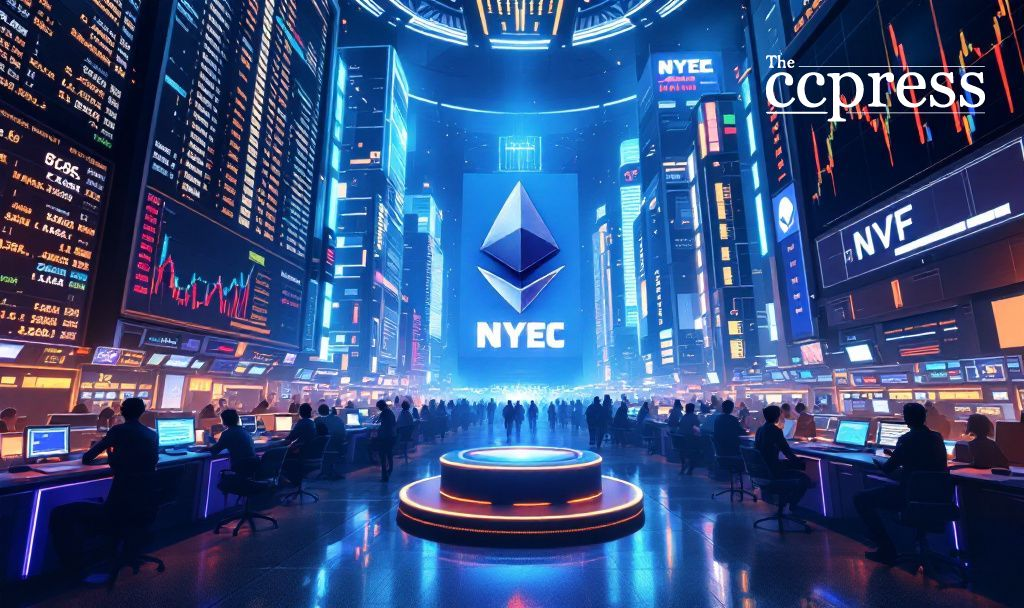

The NYSE blockchain trading revolution is set to reshape the landscape of financial markets, particularly through the introduction of tokenized securities. This innovative platform will allow continuous settlement, enabling transactions to occur 24/7, far beyond the constraints of traditional banking hours. By utilizing stablecoin funding, the NYSE aims to facilitate instant settlements, transforming the very nature of securities trading. Investors can expect enhanced liquidity and efficiency as the NYSE integrates these digital assets into its trading framework. As Wall Street embraces this technological shift, the implications for the financial industry could be profound, leading to a new era of crypto trading hours and seamless market operations.
The forthcoming NYSE blockchain trading initiative, often referred to as the digital securities trading model, signifies a pivotal advancement in contemporary finance. This initiative will harness the power of tokenized ownership, enabling round-the-clock trading opportunities and instantaneous transaction finality, thereby eliminating the wait associated with traditional settlement processes. Through the incorporation of stable digital currencies as funding options, this innovative approach will not only modernize trading practices but also introduce an unprecedented level of accessibility for investors. As the market gears up for this shift, the integration of a continuous trading framework promises to blur the lines between conventional trading hours and crypto trading activities. This evolution is set to disrupt existing paradigms and enhance the efficiency of securities markets significantly.
| Key Point | Description |
|---|---|
| Introduction of NYSE’s Blockchain Platform | The NYSE is developing a blockchain-based trading platform for tokenized securities, aiming for regulatory approvals. |
| 24/7 Trading and Instant Settlements | The platform is designed for continuous trading and immediate settlements, enhancing liquidity and capital efficiency. |
| Stablecoin Utilization | Trades will utilize stablecoin funding, linking traditional finance to blockchain technology. |
| Regulatory Challenges | Regulatory approvals are crucial for the platform’s features, including fungibility of tokenized shares. |
| Impact on Market Structure | The continuous settlement model may change the constraints on how trades are executed and cleared. |
| Collaboration with Financial Institutions | ICE is teaming up with major institutions like BNY and Citi to facilitate tokenized deposits. |
| Future of Tokenized Assets | The rise of tokenized assets and their implications for traditional finance indicate a shift towards more innovative trading practices. |
Summary
NYSE blockchain trading marks a significant shift in the financial landscape, particularly by enabling continuous trading and instant settlements for tokenized securities. This revolutionary platform aims to modernize the trading of equities and ETFs while maintaining compliance through regulatory avenues. By leveraging stablecoins for funding and partnering with established financial institutions, NYSE blockchain trading opens the door to 24/7 market operations that blend traditional finance with blockchain efficiency, potentially transforming how financial transactions are executed.
Transforming Wall Street with Blockchain
The advent of blockchain technology in the financial sector, particularly at institutions like the NYSE, is poised to revolutionize how trading is conducted. By transitioning to a continuous settlement model, the NYSE is stepping into a new era where traditional banking hours are no longer a barrier to trading activities. This significant shift allows for trading and settlement to occur 24/7, aligning more closely with the global nature of markets. As such, investors can expect expedited processes and increased efficiency in transactions, minimizing the lag typically associated with settlement phases.
Additionally, this transformation promises to enhance liquidity within markets. The integration of blockchain with the NYSE’s trading framework will facilitate not only instantaneous settlements but also the modeling of trading hours to sync with crypto trading patterns. This interconnection creates numerous opportunities for traders to engage more frequently, ensuring that capital can flow seamlessly without the delays associated with conventional trading structures. By leveraging blockchain, the NYSE aims to create a more dynamic trading environment for tokenized securities.
The Role of Tokenized Securities
Tokenized securities are a game-changer for the investment landscape, facilitating fractional ownership and lowering the entry barriers for retail investors. By converting traditional equities into on-chain assets, these securities can be traded in real-time, allowing for increased participation in the markets. This process not only democratizes access to financial markets but also instills new levels of transparency and traceability in transactions, appealing to a technologically savvy generation of investors who prioritize these attributes.
Moreover, the ability to trade tokenized shares with all the traditional rights such as dividends and governance allows for a more integrated experience for users. As these digital embodiments of security continue to proliferate, their impact will be felt across various asset classes, including ETFs and fractionally-owned assets. With regulatory approvals on the horizon, the NYSE’s initiative signals a concerted move towards a future where tokenized forms of both new and longstanding securities coexist, creating hybrid market models that can operate under 24/7 trading protocols.
Continuous Settlement and its Implications
The continuous settlement model proposes substantial changes to the way trades are executed and cleared, minimizing the reliance on traditional time-based structures like T+2 or T+1 settlements. This model paves the way for ‘instant settlement,’ where trades can be finalized at the moment of execution, significantly reducing risks associated with market volatility and enhancing overall trading efficiency. Such a transformation in settlement practices allows market participants to manage their trades more actively and securely, aligning transactions with the demands of an increasingly fast-paced trading environment.
Furthermore, the implications of continuous settlement extend beyond mere speed, as it necessitates a robust framework for liquidity management. Market participants must adapt to holding sufficient cash reserves or utilizing stablecoin funding to facilitate rapid transaction fulfillment. This shift could potentially lead to a broader acceptance of stablecoins as a vital component of both trading and settlement processes. By adopting this model, exchanges and trading platforms can ensure that they remain competitive while providing an attractive proposition for institutions seeking efficiency in their operations.
Stablecoin Funding in Trading
Stablecoins serve as critical enablers of liquidity in the nascent blockchain-powered trading ecosystem. Unlike traditional fiat currencies that may be subject to volatility, stablecoins provide a fixed-price alternative for transactions, enhancing the trust and usability of digital trading platforms. The NYSE has identified the strategic use of stablecoin funding as foundational to its new trading systems, enabling seamless movement of assets and clearing processes that align with both institutional and retail investor needs.
Moreover, stablecoins’ role in trading extends into areas such as collateral mobility, where assets can be rapidly transferred or encumbered to enhance leverage in trading strategies. The ability to use stablecoins within the trading framework opens doors for a versatile range of operations, creating avenues for increased efficiency and reduced transaction costs. This innovation appeals to diverse market participants seeking to optimize their funding strategies while navigating the challenges of a globalized trading environment.
Instant Settlement Revolutionizes Trading Dynamics
The transition to instant settlement is set to revolutionize trading dynamics within regulated markets. As traders become accustomed to executing transactions that settle immediately, the traditional delays and associated risks are minimized, fostering a more efficient trading culture. This paradigm shift not only promotes confidence among investors but also encourages greater participation from previously hesitant markets, understanding that they can now trade with assurance of immediate transaction finalization.
In addition, instant settlement creates an environment where price optimization can occur more fluidly, allowing for market conditions to be reflected in real time. This agility leads to a more dynamic pricing strategy, where traders can capitalize on varying market conditions without the lag often experienced in existing systems. Ultimately, instant settlement has the potential to enhance trading volume across exchanges, reinforcing a 24/7 trading cycle that continuously adapts to global market movements, and further blurring the lines between traditional and cryptocurrency trading hours.
Navigating Regulatory Landscapes for Blockchain Trading
With the integration of blockchain technology into established trading environments like the NYSE, regulatory challenges are ever-present. Ensuring compliance with evolving regulations remains paramount as the NYSE prepares its platform for the trading of tokenized securities. Regulations will play a crucial role in determining the viability and efficiency of these trading operations, particularly as they pertain to investor protection, anti-money laundering protocols, and taxation issues surrounding digital assets.
As the NYSE seeks to implement continuous settlement and stablecoin funding, stakeholder engagement with regulatory bodies will be vital to smoothen the transition. By addressing potential legal pitfalls early, the exchange can work towards creating a compliant and efficient framework that meets regulatory standards while also meeting market demands. This proactive approach may outline how other financial institutions can navigate the complexities of blockchain adoption in a rapidly changing regulatory landscape.
Collaborative Strategies for Tokenized Deposits
Institutions like ICE are actively collaborating with major banks to facilitate tokenized deposits and enhance the trading infrastructure. This partnership model aims to ensure that digital assets can be comfortably utilized within existing financial frameworks, thereby increasing efficiency while bridging traditional banking systems with blockchain technology. The integration of tokenized deposits into traditional pipelines can significantly ease workflows for clearinghouses, enabling their members to meet margin requirements outside standard banking hours.
This collaboration highlights the growing need for continuous innovation in the financial sector, as the demand for instantaneous funding solutions rises. By establishing comprehensive protocols for on-chain collateral and easing the transition to tokenized systems, financial institutions can unlock new revenue streams while providing clients with enhanced regulatory compliance. As collaboration deepens, the potential for operational improvements and operational synergies will reshape how traders and institutions engage with digital assets.
The Rise of 24/7 Trading Platforms
The push toward 24/7 trading platforms is indicative of an evolving market landscape that increasingly prioritizes flexibility and accessibility. The NYSE’s initiative to enable continuous trading aligns with global trading practices, drawing interest from international investors seeking to capitalize on opportunities beyond the constraints imposed by traditional schedules. This development is crucial for facilitating exchanges that cater to diverse time zones, ultimately leading to a more diversified trading portfolio for investors globally.
As these platforms emerge, they are likely to incorporate advanced technological features aimed at enhancing the user experience. With instant settlement and a secure infrastructure for trading tokenized assets, investors can expect improved transparency, faster execution times, and reduced transaction costs. The combination of these elements positions 24/7 trading platforms as attractive alternatives, drawing even the most traditional traders into a new digitally enhanced environment.
Market Structure Changes Driven by Blockchain
The introduction of blockchain technology into established trading environments is transforming market structure in significant ways. The transition from scheduled trading hours to continuous operations requires adaptations in how market makers, broker-dealers, and other participants engage. As settlements expedite and trading expands beyond conventional limits, traditional metrics for performance and risk will also evolve. Institutions must become agile in their operations to maintain competitiveness in this landscape.
Additionally, market structures will increasingly be influenced by the need for innovation in funding and collateral strategies. The opportunities presented by blockchain will challenge the status quo, compelling stakeholders to explore new configurations that prioritize efficiency and flexibility. This shift will not only support the growth of tokenized assets but also attract a more diverse investor base, driving overall market dynamism. As market participants adapt to these structural changes, the focus will need to shift towards optimizing liquidity, safeguarding compliance, and leveraging technological advancements.
Frequently Asked Questions
What is NYSE blockchain trading and how does it work?
NYSE blockchain trading refers to the New York Stock Exchange’s development of a trading platform powered by blockchain technology, specifically for tokenized securities. This platform allows for continuous settlement, meaning transactions can be finalized instantly or nearly so, providing greater liquidity and flexibility compared to traditional trading systems.
How does continuous settlement benefit NYSE blockchain trading?
Continuous settlement in NYSE blockchain trading allows transactions to be settled in real-time, eliminating delays associated with traditional settlement processes. This modern approach enables easier funding with stablecoins and reduces the time between buying and selling assets, which can result in improved cash flow management for traders.
What role do stablecoins play in NYSE blockchain trading?
Stablecoins serve as a primary funding method in NYSE blockchain trading, allowing for quick and efficient transactions. By using stablecoins, traders can bypass traditional banking constraints, facilitating instant settlement and enhancing the liquidity of tokenized securities.
Will NYSE blockchain trading have specific hours like traditional exchanges?
No, NYSE blockchain trading is designed for 24/7 operations, departing from the conventional trading hours of the stock market. This continuous trading model accommodates global participants and ensures that trading can occur any time, thereby enhancing accessibility and market dynamics.
How are tokenized securities changing the landscape of trading on NYSE?
Tokenized securities on NYSE enable fractional ownership and broader access to traditional assets. This innovation allows investors to trade equities and ETFs in smaller increments, making high-value stocks more accessible, while also taking advantage of the benefits of blockchain technology such as improved settlement times and enhanced security.
What implications does NYSE blockchain trading have for regulatory compliance?
NYSE blockchain trading is subject to regulatory approvals, which are essential to ensure compliance with existing securities laws. As the NYSE pursues this blockchain initiative, they must navigate the complex landscape of regulations related to tokenized securities and digital assets to establish a compliant trading environment.
How does instant settlement impact traders on the NYSE?
Instant settlement under NYSE blockchain trading allows traders to receive their funds and have their trades finalized immediately, which enhances liquidity and reduces risks associated with price fluctuations. This feature is particularly beneficial for active traders and institutions that require rapid funding and capital management.
What features differentiate NYSE blockchain trading from traditional trading platforms?
Key features that differentiate NYSE blockchain trading from traditional platforms include the implementation of continuous settlement, the use of stablecoin funding, and the ability to trade tokenized securities without the constraints of conventional banking hours. These innovations aim to enhance transaction efficiency and broaden access to financial markets.
Related: More from DeFi & Stablecoins | Aixovia Burns 90,357,968 AIXDROP Tokens On-Chain Proof | Arthur Hayes Liquidates DeFi Tokens: A $3.48 Million Loss You Should See