
NVIDIA H200 AI chips are at the forefront of a significant shift in U.S. tech policy as the Trump administration opens the gates for their sale to China. This announcement, made on December 8, not only highlights the increasing importance of AI technology but also reflects evolving U.S.-China trade relations and the complexities surrounding AI chip exports. With a 25% fee imposed on each chip, NVIDIA’s second strongest AI innovation is set to play a crucial role in the global market dynamics, particularly amidst ongoing debates over China tech policy. The decision has sparked a notable increase in NVIDIA’s stock price, which rose by 1.2% in after-hours trading, indicating investor optimism regarding this strategic move. As companies like AMD and Intel prepare for similar arrangements, it’s clear that the implications of this policy will resonate throughout the tech industry, influencing future developments in AI manufacturing and export strategies.
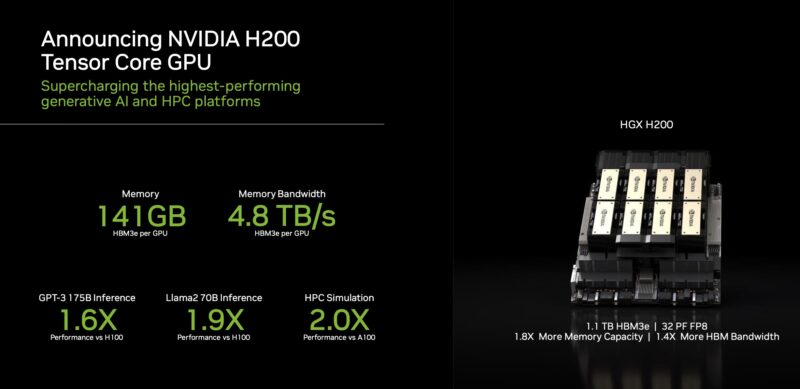
The latest development in the chip manufacturing landscape involves NVIDIA’s advanced H200 artificial intelligence processors. This new policy update underpins the Trump administration’s strategy regarding technology exports, particularly as it concerns U.S. relations with China. As significant players in the AI sector like NVIDIA seek to navigate these regulatory waters, the resulting changes could shape the trajectory of American technological dominance. By levying a 25% fee on these sophisticated chips, the U.S. aims to bolster its economic standing while managing the intricate web of international tech exchanges. These evolving circumstances around AI chip market accessibility will undoubtedly spark discussions about the global supply chain’s stability and the future of trade negotiations between the U.S. and China.
NVIDIA H200 AI Chips: A New Era of U.S.-China Trade Relations
The introduction of NVIDIA’s H200 artificial intelligence chips into the Chinese market marks a significant pivot in U.S.-China trade relations, especially under the Trump administration. This move to allow NVIDIA to sell its AI chips to China—albeit with a steep 25% fee—reflects an evolving stance toward technology exports. Historically, U.S. tech companies faced stringent restrictions, largely due to concerns over national security and economic competitiveness. The Trump administration’s decision could indicate an acknowledgment of the importance of maintaining competitive momentum in the global tech landscape.
With companies like NVIDIA at the forefront of AI technology, the sale of the H200 could not only boost NVIDIA’s earnings but also strengthen the U.S. position in the AI industry. Analysts believe that opening the door to exports may create new opportunities for American firms, despite the still-present challenges of tariffs and regulatory hurdles. The implications of this decision go beyond just NVIDIA; it sets a precedent for other American tech companies like AMD and Intel, hinting at a potential thaw in the historically icy U.S.-China tech relations.
Impact of AI Chip Exports on NVIDIA Stock Price
In the wake of the Trump administration’s announcement, NVIDIA’s stock price saw an immediate increase, reflecting investors’ optimism about the company’s growth prospects. A 1.2% rise in after-hours trading indicates confidence in NVIDIA’s strategic decisions and its ability to navigate the complex landscape of international trade relations. The prospect of expanding into one of the largest technology markets—China—presents a lucrative opportunity that could significantly influence NVIDIA’s financial trajectory.
However, this increase in stock price comes with a caveat; the ongoing trade dynamics between the U.S. and China can create volatility in the tech sector. Investors must consider how future changes in policy could affect the profitability of AI chip exports. Additionally, the additional 25% tariff on sales could pose challenges, as consumers and businesses in China weigh the costs against the benefits of utilizing NVIDIA’s advanced technologies. Stakeholders should keep an eye on how NVIDIA navigates these challenges while striving to maintain its market leadership.
Trump Administration’s Policy Shift on AI Chips
The announcement by President Trump indicating a shift in policy regarding AI chip exports marks a significant development in U.S. trade strategy. Historically, the Trump administration had implemented stringent restrictions on technology transfers to China, primarily due to concerns over intellectual property theft and national security. This new strategy seems to soften those hardline stances, showing a willingness to leverage technological cooperation to foster economic benefits.
The decision is a clear acknowledgment of the importance of technology in U.S.-China relations, particularly in sectors like artificial intelligence. As global competition intensifies, the U.S. aims to balance security concerns with economic interests. Lifting restrictions on the NVIDIA H200 chips is not just a strategic maneuver to benefit NVIDIA; it signals a broader commitment to engaging with China in critical technological advancements.
Challenges Under China’s Tech Policy and Its Global Impact
China’s tech policy presents various challenges and opportunities for U.S. tech firms. While the loosening of export restrictions allows companies like NVIDIA to access the Chinese market, navigating the nuances of China’s regulatory environment requires adept strategic planning. The Chinese Ministry of Foreign Affairs has emphasized the need for stable international relations and supply chains, which operates at a juxtaposition to the competitive nature of the tech industry.
Furthermore, geopolitical tensions often remain high, affecting how U.S. companies operate within China. Trade policies continue to evolve, and companies need to remain agile to adapt to changes. This duality signifies how U.S. tech companies must find ways to balance engagement with China while being cognizant of the implications their actions may have on U.S. domestic policies and international relations.
The Future of U.S.-China Trade Relations in Tech
The recent decisions regarding NVIDIA H200 AI chips are a crucial moment in the broader context of U.S.-China trade relations, particularly in the tech industry. As both nations navigate the complexities of trade, technology, and security, the future may depend on collaborative efforts rather than isolationist policies. The American tech sector has long recognized the importance of the Chinese market, and fostering trade relationships can be beneficial despite existing rivalries.
Looking ahead, both countries must engage in constructive dialogues to sustainably handle the intricate ties between technology and trade. Achieving a balance between competitiveness and cooperation will be key to ensuring that neither nation suffers from disruptions in supply chains or technological advancements. This evolving narrative underscores a potential period of optimization where AI technology can serve as a bridge in U.S.-China relations.
Geopolitical Factors Affecting AI Chip Exports
Geopolitical dynamics play a significant role in shaping the policies surrounding AI chip exports. The Trump administration’s approach toward allowing NVIDIA to export H200 chips reflects broader geopolitical trends, including the tit-for-tat tariffs that characterize U.S.-China relations. As these tensions evolve, the fluidity of policies concerning AI technologies can impact national security perceptions and economic strategies.
Companies must remain vigilant of how geopolitical shifts influence their operations. With the rise of nationalism and protectionist sentiments in various countries, U.S. firms need to strategize effectively to mitigate risks while capitalizing on the opportunities presented by international markets, particularly in tech. The interplay between government policy and commercial interests, especially in critical sectors like AI, reveals the complexities of conducting business in a highly interconnected but often contentious global environment.
The Role of NVIDIA in U.S.-China Technological Advancements
NVIDIA stands at the forefront of the AI revolution, and its role in U.S.-China relations cannot be understated. The company’s push to sell H200 chips to China showcases its significance not only as a tech giant but as a pivotal player in international trade discussions. NVIDIA, under CEO Jensen Huang’s leadership, has consistently advocated for greater engagement with the Chinese market, emphasizing the collaborative nature of technological advancements.
As NVIDIA navigates through the complexities of U.S.-China relations, its decisions could influence the broader landscape of global AI development. The company has the potential not only to strengthen its market position but also to pave the way for other U.S. tech firms. By fostering a mutually beneficial relationship between U.S. and Chinese entities, NVIDIA could help bridge gaps and promote stability in a fluctuating economic framework.
Implications of Trump Administration’s Export Policies on AI Technology
The Trump administration’s export policies have far-reaching implications for AI technology. By allowing NVIDIA to export chips to China with specific tariffs, the administration is setting a precedent that could reshape the framework of international tech trade. This strategic pivot can lead to greater collaboration in innovation while maintaining a vigilant stance on national security matters.
However, these policies also invite scrutiny regarding how they will affect the competitive landscape of the U.S. tech industry. As companies strategize their entry into foreign markets, they must also consider the long-term sustainability of these policies. Fluctuating tariffs and regulations could create uncertainty, necessitating that firms like NVIDIA remain agile and proactive in their market approaches.
Stability in Global Supply Chains Amid U.S.-China Tech Relations
Maintaining stability within global supply chains is critical, especially in the context of tensions between the U.S. and China. The Trump administration’s recent policy changes regarding NVIDIA H200 AI chips underscore the importance of smooth operational dynamics between these economic powerhouses. Stable supply chains are essential not only for tech companies but also for global economic health, as disruptions can lead to significant repercussions across multiple sectors.
As companies like NVIDIA expand their market reach, proactive measures must be taken to safeguard supply chains. This means anticipating potential disruptions and seeking collaboration among stakeholders to foster a resilient tech environment. A stable supply chain can ultimately drive innovation and benefit consumers and businesses worldwide, demonstrating how intertwined global economies rely on each other in the face of geopolitical challenges.
Frequently Asked Questions
What are NVIDIA H200 AI chips and their significance in AI technology?
NVIDIA H200 AI chips are advanced artificial intelligence processors, recognized as NVIDIA’s second strongest AI chip, designed to enhance computing performance for AI applications. Their capabilities play a crucial role in driving innovations across various sectors, making them significant in the field of AI technology.
How will the Trump administration’s decision affect NVIDIA H200 AI chip exports to China?
The Trump administration’s decision allows NVIDIA to export H200 AI chips to China with a 25% fee imposed on each chip sold. This marks a shift in U.S. policy, aimed at balancing trade relations while maintaining control over sensitive technology exports.
What impact does the export of NVIDIA H200 AI chips have on the U.S. China trade relations?
Exporting NVIDIA H200 AI chips to China, under the new regulations, could positively influence U.S.-China trade relations by facilitating trade in advanced technology. It demonstrates a willingness to engage economically, which may stabilize supply chains critical to both nations.
How does the sale of NVIDIA H200 AI chips influence NVIDIA stock price?
Following the announcement of new export rules for NVIDIA H200 AI chips to China, NVIDIA’s stock price rose by 1.2% in after-hours trading. This indicates investor confidence that easing restrictions can lead to increased revenue from international markets.
What was Jensen Huang’s role in shaping the U.S. policy on NVIDIA H200 AI chips?
Jensen Huang, NVIDIA’s CEO, has been actively lobbying the U.S. government for months to relax export restrictions on AI chips like the H200. His efforts highlight the importance of the Chinese market for the U.S. AI industry’s competitiveness.
What does the Chinese government say about the U.S. AI chip export policy?
The Chinese Ministry of Foreign Affairs has urged the U.S. to take meaningful actions to stabilize global supply chains, emphasizing the need for a constructive approach to policies surrounding exports of technologies, including NVIDIA H200 AI chips.
How do AI chip exports like NVIDIA H200 impact global supply chains?
AI chip exports, such as the NVIDIA H200, are pivotal in sustaining global supply chains. Stable U.S.-China trade relations foster collaboration and innovation in tech sectors, reducing the risk of disruptions that could affect the supply of critical technologies worldwide.
| Key Point | Details |
|---|---|
| NVIDIA H200 AI Chips Approval | The U.S. government will allow NVIDIA to sell H200 AI chips to China with a 25% fee per chip. |
| Trump’s Statement | On December 8, President Trump announced this decision regarding AI chip exports. |
| Department of Commerce Role | The U.S. Department of Commerce is finalizing rules for these exports. |
| Impact on Other Companies | Similar export arrangements will apply to AI chip exports from AMD and Intel. |
| Market Reaction | NVIDIA stock increased by 1.2% in after-hours trading following the announcement. |
| CEO’s Lobbying Efforts | NVIDIA CEO Jensen Huang has been advocating for relaxed export restrictions for months. |
| Importance of Chinese Market | Huang believes access to the Chinese market is vital for U.S. AI competitiveness. |
| Trade Stability | Stable U.S.-China trade is seen as crucial for avoiding damage to supply chains. |
| Chinese Government’s Position | China’s Ministry of Foreign Affairs has urged the U.S. to stabilize the global supply chain. |
Summary
NVIDIA H200 AI chips have gained significant attention following the U.S. government’s decision to permit their sale to China, despite imposing a 25% fee. This represents a noteworthy shift in export policies and reflects NVIDIA’s efforts to access the crucial Chinese market, which is perceived as essential for maintaining competitiveness in the U.S. AI sector. The collaborative stance towards trade with China emphasizes the necessity for stable relations to safeguard global supply chains, with both sides recognizing the mutual benefits of cooperation.
Related: More from Regulation & Policy | UK Gambling Regulator Examines Cryptocurrencies for Licensed Bettors in Crypto Regulation | Blocks Retreat Signals Broader Payments Shifts