


NASA Assures Public: Mysterious Interstellar Visitor Is “Just a Comet,” Despite Rampant Speculation

Key Takeaways
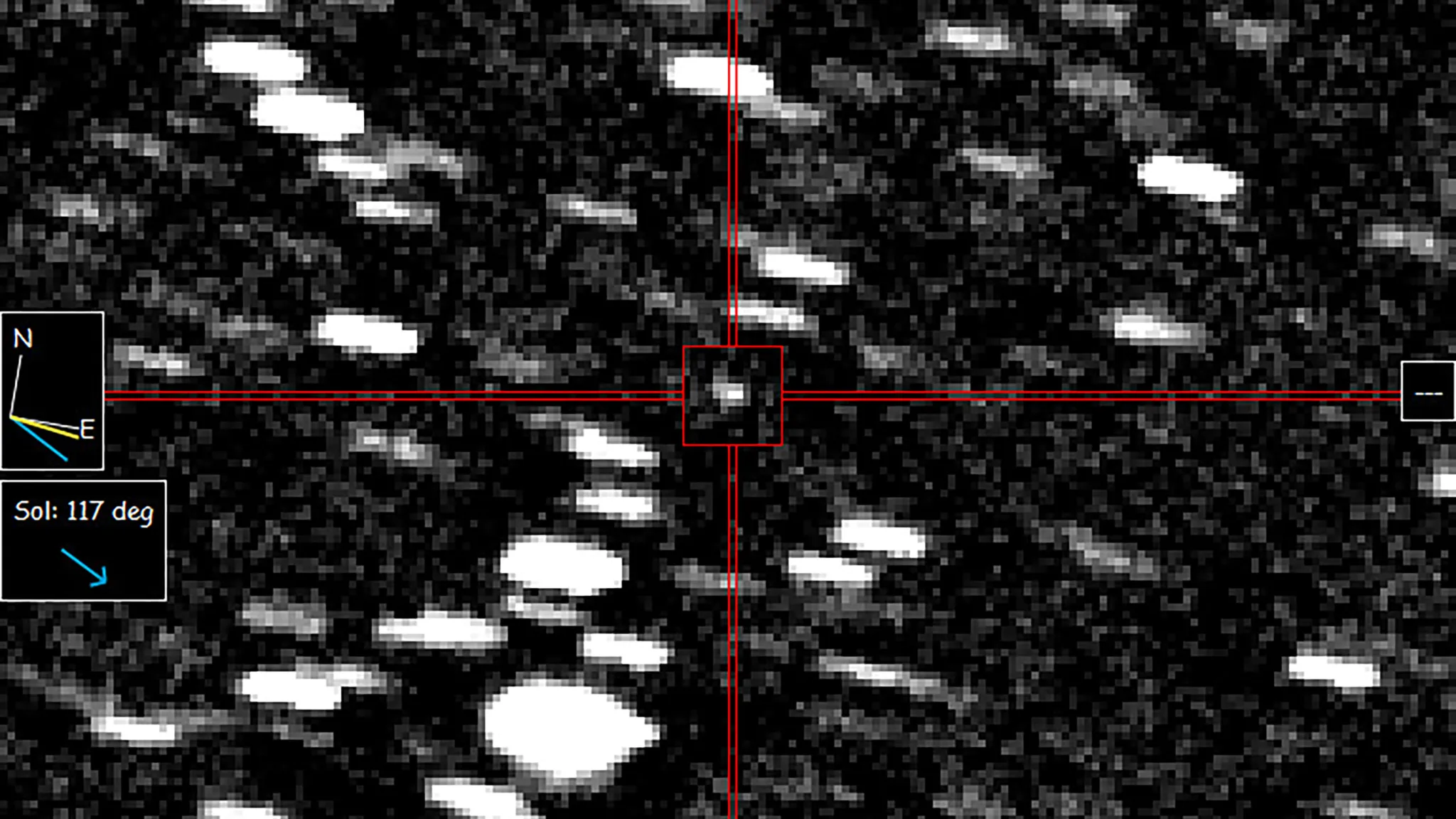
In recent weeks, the appearance of an interstellar object hurtling through our solar system has captivated scientists and the public alike. Dubbed C/2023 F3 by astronomers, this visitor from beyond our stars has sparked a flurry of excitement and conjecture across the globe. However, NASA has issued a statement clarifying that the object is merely a comet, amidst ongoing public speculation about its origin and nature.
A New Visitor from Afar
The comet, first detected by an automated telescope system that scans the cosmos for near-Earth objects, appeared as an unexpected blip on the astronomical radar. Its trajectory was unlike typical asteroids or comets that originate within our solar system, indicating its interstellar origin. “Its highly hyperbolic orbit suggests it came from outside our solar system, making it only the third such object we’ve identified,” explains Dr. Ellen Rao, a senior researcher at NASA’s Jet Propulsion Laboratory.
Public Fascination and Speculation
The mysterious nature of C/2023 F3 has fueled widespread public interest. In an era where space news often captures the imagination of millions, it didn’t take long for various theories to emerge around the comet. Social media platforms and online forums buzzed with suggestions that the comet could be something more than a mere chunk of ice and rock—some even speculated about alien technology or spacecraft.
NASA, however, has been quick to address these speculations with facts and scientific findings. A detailed analysis conducted using spectral imaging and telemetry data collected from several space observatories helped confirm the comet’s natural origins. “The composition of C/2023 F3 is consistent with that of other comets we’ve studied that originate in our own solar system,” said Dr. Maria Khan, one of the astronomers involved in the analysis at NASA.
Scientific Importance of C/2023 F3
While NASA insists that the interstellar visitor is just a comet, this does not diminish its significance to the scientific community. The study of such objects offers invaluable data about the conditions and processes occurring in outer space. “Each interstellar object provides unique insights into the cosmic neighborhoods beyond our own solar system,” Dr. Rao added. “Studying their paths and compositions helps us understand more about the universe’s many mysteries.”
Educational Opportunity for the Public
For NASA, this event also presents an educational opportunity to engage the public in space science and exploration. Through their official channels and public outreach, NASA aims to explain the science behind such phenomena, demystifying the process by which scientists analyze and understand objects in space.
“To the untrained eye, objects like C/2023 F3 could appear mysterious, but they are part of a rich tapestry of cosmic phenomena that we are increasingly able to observe and understand thanks to advances in technology,” said Dr. Khan.
Conclusion
As C/2023 F3 continues on its journey through our solar system, it leaves behind a trail of not just dust and debris but also curiosity and wonder. While NASA and the astronomical community view the comet as a routine celestial event, the intrigue around its interstellar origin remains a testament to the eternal human quest for knowledge about the cosmos. Through continued education and scientific rigor, NASA hopes to keep the public both informed and engaged as we collectively explore the vast, mysterious universe.