

The MetaMask 2FA scam presents a serious threat to crypto investors, as recent phishing campaigns increasingly target users with deceptive tactics. These scams impersonate the popular crypto wallet and involve fraudulent two-factor authentication procedures designed to extract sensitive information, specifically wallet recovery phrases. Blockchain security experts, including SlowMist, have warned that divulging this critical data can lead to devastating financial losses as hackers swiftly access users’ wallets. Notably, while phishing attacks have significantly declined overall, this new scam underscores the ongoing risks associated with 2FA security protocols. Investors must remain vigilant against these blockchain security threats, understanding that legitimate services like MetaMask will never ask for personal recovery phrase information.

The emergence of the MetaMask 2FA scam highlights the evolving landscape of online threats in the cryptocurrency sphere. With recent trends indicating a decline in broader crypto phishing attacks, this particular scheme demonstrates that some cybercriminals still find ways to exploit unsuspecting users. By mimicking trusted wallet services and leveraging fake two-factor authentication prompts, these attackers aim to harvest sensitive details like seed phrases from individuals desperate to secure their digital assets. Therefore, acknowledging the ongoing 2FA security risks is crucial for anyone engaging with decentralized finance tools. As the allure of digital currencies grows, the importance of safeguarding valuable wallet credentials cannot be overstated.
Understanding the New MetaMask 2FA Scam
The emergence of the new MetaMask 2FA scam highlights the evolving landscape of cryptocurrency security threats. As reported by SlowMist, attackers have cleverly designed a fraudulent two-factor authentication process that misleads users into divulging their wallet recovery phrases. This tactic betrays the essential trust placed in decentralized wallets, where security protocols intrinsically dictate that no legitimate service will ever request a user’s seed phrase. Consequently, this scam serves as a critical reminder for crypto enthusiasts to remain vigilant and informed about potential security threats infiltrating the blockchain space.
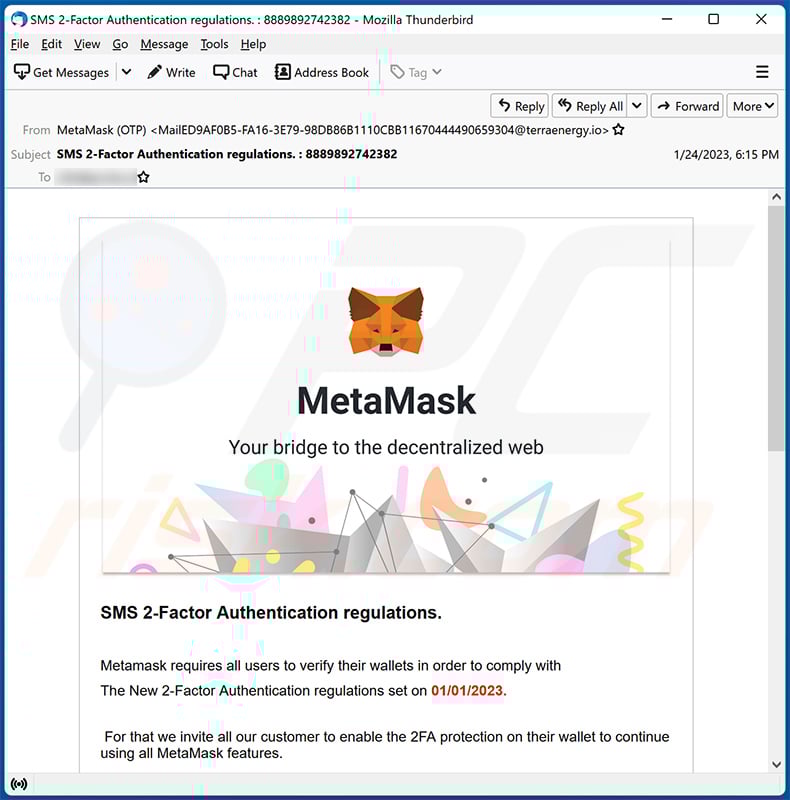
Phishing attacks primarily exploit social engineering tactics, where scammers impersonate trusted entities to gain the confidence of victims. The MetaMask 2FA scam exemplifies this strategy by urging users to enact 2FA measures within a manipulative timeframe, amplifying the urgency to act. Such pressure tactics increase the likelihood of individuals inadvertently sharing sensitive credentials, leading to unauthorized access and theft of their assets. As blockchain technology continues to gain traction, understanding these phishing methods will be key to fostering safer digital asset management.
The Decline of Crypto Phishing Attacks
Recent data reveals a significant decline in crypto phishing scams, with losses diminishing by 83% from 2024 to 2025. This reduction could be attributed to heightened awareness among investors regarding the critical nature of blockchain security threats. Tools like Scam Sniffer have played a pivotal role in identifying and documenting these scams, thereby empowering users to take proactive measures in safeguarding their funds. As these scams evolve and become more sophisticated, maintaining a pursuit of knowledge and awareness is essential for crypto investors.
However, the decline in scams does not negate the continuing risk posed by phishing practices in the cryptocurrency market. Observations indicate that phishing attacks tend to surge during periods of robust market activity. As user engagement intensifies, opportunistic scammers capitalize on the heightened vulnerability of individuals new to crypto trading. This relationship between market dynamics and phishing threats suggests that a comprehensive understanding of 2FA security risks is critical for users. The more informed investors are about these scams, the lower the chances of them inadvertently falling victim.
Recognizing Phishing Emails in the Crypto Space
Phishing emails are a common vehicle for scammers targeting crypto investors, and recognizing their telltale signs is crucial. Often, these emails contain urgent calls-to-action or warnings about account security, prompting recipients to click on malicious links or disclose sensitive information. In the case of the MetaMask 2FA scam, these communications effectively manipulated users’ fears of account compromise to encourage them to complete a nonexistent security setup process. Investors must remain skeptical of unsolicited communications, especially those requesting sensitive information like wallet recovery phrases.
In addition to dubious email sources, phishing scams may involve elaborate counterfeit websites designed to closely mimic legitimate services like MetaMask. When users are directed to these fraudulent sites via hyperlinks, they may be unwittingly led to disclose critical details of their wallet security. To avoid falling into such traps, it’s vital for individuals to ensure they are visiting official websites and to understand that no legitimate platform will ever ask for confidential information in this manner. By fostering greater caution and attention, investors can notably mitigate the risk of falling victim to crypto phishing attacks.
Protecting Your Wallet Recovery Phrase
Your wallet recovery phrase is arguably the most critical piece of information for managing your cryptocurrency assets. This twelve-word phrase grants full access to your wallet, making it an attractive target for scammers. In the context of the new MetaMask 2FA scam, disclosing your seed phrase can lead to immediate financial losses, as malicious actors can transfer funds from your wallet instantaneously. Therefore, safeguarding this information should be a top priority for any crypto user.
To protect your recovery phrase, it is essential to store it securely and privately. Avoid digital storage that could be compromised—opt instead for physical storage methods in secure locations. Furthermore, be cautious of any requests for your recovery phrase, and always double-check the authenticity of communications claiming to represent your wallet provider. Familiarizing yourself with standard security practices can significantly reduce the risk of falling victim to blockchain security threats, including sophisticated scams like the MetaMask 2FA incident.
Two-Factor Authentication: A Double-Edged Sword
Two-factor authentication (2FA) is often hailed as a security enhancement that adds an extra layer of protection to user accounts. However, the emergence of the MetaMask 2FA scam illustrates that this added security feature can also be exploited by malefactors when the mechanisms of its implementation are not properly understood. Scammers create an illusion of an official 2FA request to mislead users into revealing their recovery phrases, thus revealing the potential security risks associated with improperly configured 2FA.
For 2FA to be effective, users must be educated on authentic 2FA processes and the legitimate channels of their service providers. The legitimacy of a prompt for 2FA should always be verified via official channels before responding. Overall, while 2FA can enhance security, the possibility of 2FA security risks provides a stark reminder to remain vigilant and prepared against phishing attempts disguised as security measures.
The Importance of Blockchain Security Awareness
As the cryptocurrency market evolves, so do the tactics employed by cybercriminals. Awareness of blockchain security is thus paramount for anyone engaging in the crypto space. Investors need to familiarize themselves with prevalent scams, such as the MetaMask 2FA scam and other phishing attempts. By understanding how these technologies operate and the common traits of scams, users can enhance their defenses against attacks that aim to siphon away their hard-earned investments.
Investors can further foster security awareness by participating in educational programs and engaging with a community of like-minded individuals. This exchange of knowledge can illuminate the myriad ways in which scammers operate and how to counteract their methods. Additionally, keeping updated with the latest security findings from reputable sources can ensure that investors are always one step ahead in protecting their digital wallets and assets.
The Role of Reputable Security Tools in Crypto Safety
In the fight against cryptocurrency phishing scams, utilizing reputable security tools can significantly bolster user defenses. Tools like Scam Sniffer are designed to detect and alert users to potential phishing scams, providing an essential layer of security for wallet management. By integrating these tools into their security measures, crypto investors can arm themselves with real-time data that assists in identifying fraudulent attempts to compromise their accounts.
Moreover, these tools not only help in detecting scams but also raise awareness of ongoing threats in the cybersecurity landscape. Investors should routinely monitor security advisories and leverage analytical insights provided by these platforms to ensure a robust understanding of current phishing tactics. In doing so, the crypto community as a whole can cultivate a fortified stance against the evolving landscape of blockchain security threats.
Best Practices for Securing Your Crypto Investments
Securing crypto investments requires a blend of strategic planning and educated decision-making. Users are encouraged to adopt best practices such as never sharing their wallet recovery phrase and maintaining strong passwords for accounts. Additionally, enabling security features like hardware wallets can provide offline protection against phishing attempts associated with MetaMask and similar services. The integration of these practices profoundly decreases the chances of falling victim to scams.
Furthermore, regular updates to software and applications provide patches that address known vulnerabilities. Investors should also engage in active monitoring of their accounts and transactions, ensuring prompt action can be taken should suspicious activity arise. By implementing these strategies, investors can fortify their defenses against scams and enhance their overall blockchain security.
Reflecting on Phishing Trends in Cryptocurrency
As 2025 marks a significant decline in phishing incidents, the evolving trends reflect a growing awareness within the crypto investor community. This shift denotes not just a decrease in scams but also an emerging sophistication amongst investors in recognizing and resisting fraudulent tactics. By examining the patterns in phishing attacks, educational campaigns and community-driven awareness initiatives can be tailored for better efficacy moving forward.
Nonetheless, while the falling trend is encouraging, it is crucial for investors to remain cautious. The tactics used by scammers continue to adapt, and the risk of falling prey to newly devised scams is ever-present. Continuous education, vigilance, and reliance on updated security practices will be essential for maintaining safety in the cryptocurrency landscape amidst these changing dynamics.
Frequently Asked Questions
What is the MetaMask 2FA scam and how does it work?
The MetaMask 2FA scam is a phishing campaign that falsely impersonates MetaMask to deceive users into revealing their wallet recovery phrases or seed phrases. Attackers create fake two-factor authentication requests that lead users to fraudulent domains, tricking them into providing sensitive information under the guise of securing their accounts.
How can I protect myself from the MetaMask phishing scam?
To guard against the MetaMask phishing scam, never disclose your wallet recovery phrase or seed phrase to anyone. Be cautious of emails or messages urging you to enable 2FA, especially if they are directing you to external links. Always access MetaMask directly through the official website or app.
What are the risks associated with 2FA security in crypto wallets like MetaMask?
The introduction of a fake 2FA setup in the MetaMask 2FA scam highlights significant security risks. Users may be tricked into believing they are enhancing their wallet security when, in fact, they are giving away access to their funds. Always remember that legitimate services never ask for your wallet recovery phrase.
Why are wallet recovery phrases so crucial in the MetaMask 2FA scam?
Wallet recovery phrases are crucial because they give full access to your crypto wallet. In the MetaMask 2FA scam, disclosing this 12-word seed phrase to scammers allows them to steal your assets. Protecting your recovery phrase is vital for maintaining wallet security against phishing attacks.
What should I do if I fell for the MetaMask 2FA scam?
If you’ve fallen victim to the MetaMask 2FA scam, immediately attempt to recover your wallet if you have not yet given out your recovery phrase. Change passwords for related accounts and monitor your transactions closely. Consider notifying authorities or reporting the scam to anti-fraud organizations.
How have phishing scams like the MetaMask 2FA scam evolved?
Phishing scams, including the MetaMask 2FA scam, have grown more sophisticated, often employing fake security measures to trick users. However, recent reports indicate a decline in such scams due to increased awareness among users, showing that education on crypto phishing attacks is becoming more effective.
What are blockchain security threats associated with MetaMask?
Blockchain security threats related to MetaMask include scams that exploit users’ trust, such as the MetaMask phishing scam and other attempts to steal wallet recovery phrases. Users must remain vigilant against deceptive practices that aim to compromise their cryptocurrency assets.
How can I spot a MetaMask phishing email?
To spot a MetaMask phishing email, look for signs such as poor grammar, generic greetings, and suspicious links. Legitimate communications from MetaMask will not ask for your wallet recovery phrase or direct you to log in via email links. Always verify links before clicking.
What is the impact of the MetaMask 2FA scam on the cryptocurrency market?
The MetaMask 2FA scam affects the cryptocurrency market by creating distrust among users and potentially leading to financial losses. While phishing incidents have decreased overall, spikes in scam activity often coincide with increased market activity, as more users engage with their wallets.
Where can I find more information about crypto phishing attacks like the MetaMask 2FA scam?
For more information on crypto phishing attacks, including the MetaMask 2FA scam, visit reputable blockchain security resources, follow updates from crypto security firms, or check cryptocurrency forums and communities for shared experiences and advice on recognizing and avoiding scams.
| Key Points |
|---|
| New MetaMask 2FA scam targets users by impersonating the MetaMask service, leading users to disclose sensitive wallet recovery phrases. |
| Attackers use phishing emails with fake security alerts urging users to set up a 2FA process quickly to avoid losing access. |
| Once users provide their 12-word seed phrase, the attackers steal the wallet funds, emphasizing the critical need for wallet security. |
| Phishing scams have decreased overall by 83% in 2025, but they can still peaks during active market periods. |
| The report indicates that scam losses dropped to $83.3 million in 2025, down significantly from previous years. |
| Users are becoming more aware and cautious, contributing to the decline in phishing incidents. |
Summary
The emergence of the MetaMask 2FA scam highlights the ongoing threats in the cryptocurrency space as investors are tricked into revealing their wallet recovery phrases. Despite a significant decline in phishing attacks, with losses down by 83% in 2025, scams like these demonstrate that awareness and vigilance are crucial in safeguarding one’s crypto assets. Cryptocurrency users must remember that legitimate services like MetaMask will never request sensitive recovery information, reinforcing the importance of verifying sources before acting on any security prompts.