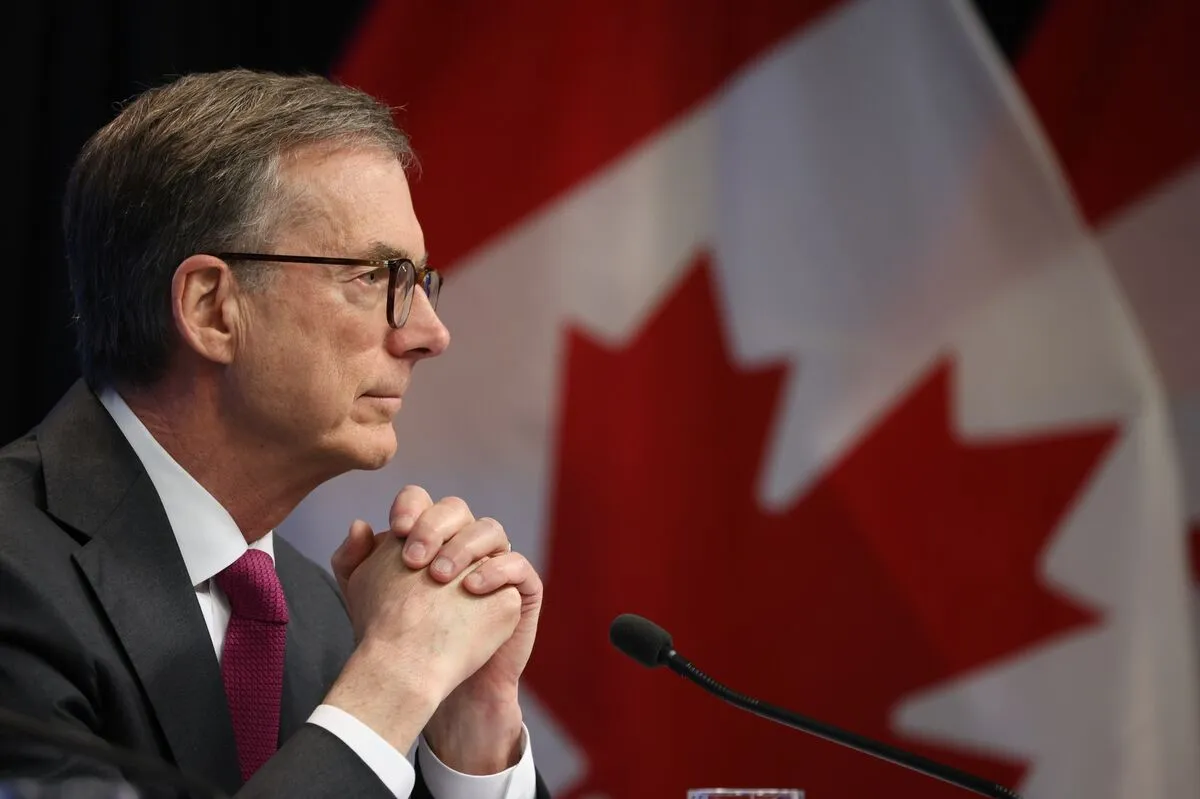

BoC's Macklem Addresses Limitations of Monetary Policy in Tackling Structural Changes from US Tariffs
In a recent statement, Bank of Canada Governor Tiff Macklem highlighted the inherent challenges that monetary policy faces in addressing the structural changes resulting from the United States’ tariffs. As trade tensions escalate, Macklem’s commentary sheds light on the complex interplay between international trade policies and domestic monetary strategies.
Key Takeaways
Monetary Policy and Structural Changes
Monetary policy, typically used to manage inflation and stabilize the national economy, involves adjusting interest rates and controlling the money supply. However, when it comes to responding to structural shifts caused by external factors like tariffs, the tools available to central banks are not as effective. Governor Macklem emphasized that “while monetary policy can cushion the blow, it cannot fully counter the long-term impacts of tariffs.”
The US tariffs, intended to protect American jobs and industries, have inadvertently put pressure on Canadian exporters and manufacturers, leading to shifts in trade dynamics and investment plans. This situation has prompted concerns about economic growth and employment in several sectors within Canada that are sensitive to trade disruptions.
The Inadequacy of Conventional Tools
During his speech, Macklem pointed out that the primary goal of the Bank of Canada’s monetary policy is to maintain price stability and control inflation. However, when facing structural changes in the economy—such as those resulting from increased tariffs—traditional monetary policy tools like rate adjustments may not be sufficient. These tools are designed to manage cyclical fluctuations rather than structural shifts.
“Structural adjustments require more targeted responses,” Macklem stated. He suggested that fiscal policy measures and government interventions might be more effective in mitigating the impacts of such tariffs. This could include support for affected industries and investment in sectors that have the potential to drive future economic growth.
The Role of Fiscal Policy and Structural Supports
Acknowledging the limitations of the Bank of Canada’s monetary policy in the face of US tariffs, Macklem called for a more comprehensive governmental approach. This could involve increased investment in technology and infrastructure, support for workforce retraining programs, and assistance for industries most affected by the trade barriers.
Such measures, however, require collaboration between various government sectors and a strategic approach to economic resilience. “It is crucial for policymakers to implement structural reforms that can enhance our economic flexibility and productivity in the long run,” Macklem recommended.
Conclusion
As the global economic landscape evolves, the statements from the Bank of Canada’s Governor underscore the need for a multidimensional strategy that extends beyond conventional monetary policy. Addressing structural changes in the economy, spurred by factors like the US tariffs, demands a blend of fiscal intervention and strategic economic planning.
The challenges are significant, but with comprehensive and coordinated policy measures, Canada can navigate through these turbulent times, minimizing negative impacts and setting the stage for sustainable economic health and growth. Governor Macklem’s insights serve as a crucial reminder of the limited scope of monetary policy alone in tackling major structural economic shifts.
Related: More from Regulation & Policy | Paul Atkins: Trumps Crypto Legacy in Crypto Regulation | BOJ Examines Tokenized Central Bank Money for Digital Yen in 2026