

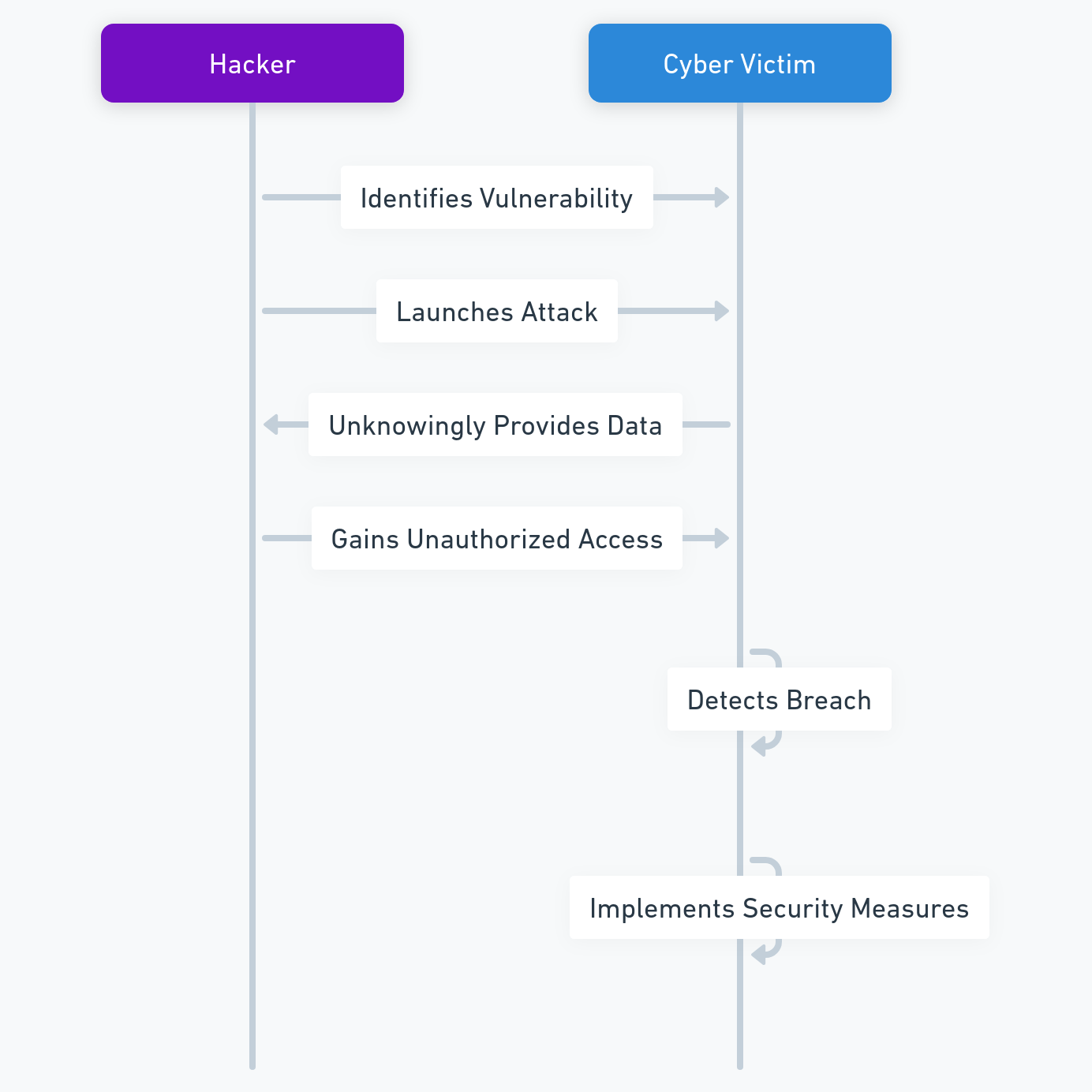

The Ledger data breach has cast a significant shadow over the cryptocurrency industry, prompting widespread concern among users and investors alike. Recently reported by Odaily Planet Daily, this data security incident occurred at Global-e, Ledger’s payment processor, resulting in the exposure of sensitive customer information, including names and contact details. As investigations unfold, both Ledger and Global-e are working to contain the situation, striving to reassure their customers about the integrity of their data. This breach highlights the ongoing vulnerabilities faced by digital finance platforms and raises critical questions about customer information exposure. With Ledger news continuing to develop, the importance of robust cybersecurity measures cannot be overstated in today’s digital landscape.

In light of recent developments, it’s crucial to address the significant data leak involving Ledger and its associated payment processor, Global-e. This incident, tagged as a data security breach, has revealed sensitive information from a number of users, sparking fears about the safety of personal data in electronic transactions. As the breach investigation progresses, there’s a pressing need for transparency and effective communication regarding the measures being implemented to protect customer data. Moreover, the growing reliance on digital payment systems underscores the importance of addressing potential vulnerabilities that may lead to such incidents. Alternative terms like data compromise and cybersecurity breach are becoming increasingly relevant in the discussions surrounding this incident, highlighting the need for improved security protocols in the industry.
Understanding the Ledger Data Breach at Global-e
The recent data breach involving Ledger’s payment processor, Global-e, has raised significant concerns about data security across the cryptocurrency industry. This incident, reported by Odaily Planet Daily, revealed that sensitive customer information has been exposed, including names and contact details. Ledger has stated that the breach has been contained. However, the fallout from this data security incident is likely to have ramifications for Ledger’s reputation and customer trust.
As the investigation into the breach progresses, it is crucial for all stakeholders to remain informed. The implications of this incident extend beyond Ledger itself; it highlights the vulnerabilities that can exist within payment processing systems. Given that Global-e serves numerous clients, including those in the cryptocurrency sector, the need for stringent security measures is more critical than ever.
The Impact of Customer Information Exposure
The exposure of customer information due to the Ledger data breach at Global-e raises pressing questions about the adequacy of data protection measures within the industry. Individuals affected by this breach may face phishing attacks and identity theft as malicious actors attempt to exploit the leaked data. For companies like Ledger, ensuring that customer information remains secure is paramount, as any lapses can lead to a loss of business and consumer trust.
In light of this incident, it is essential for consumers to be proactive about their data security. They should monitor their accounts for unusual activities and consider employing additional security measures such as two-factor authentication. Companies must also take the lesson from this breach seriously, implementing enhanced security protocols to protect customer information and prevent future data security incidents.
Ledger News: Current Developments and Responses
In the wake of the Global-e data breach, customers and stakeholders are eager for timely updates and transparent communication from Ledger. As the news surrounding the breach unfolds, Ledger has initiated a breach investigation to ascertain the extent of the exposure and to notify affected individuals. Prompt updates from Ledger are critical as users depend on the integrity of their data and trust the protocols established by the company.
Furthermore, this data breach has ignited discussions among users in online forums and social media platforms regarding cryptocurrency’s inherent risks, especially related to personal data. Keeping the lines of communication open can reassure customers that Ledger is committing to resolving any issues swiftly while putting measures in place to mitigate future risks.
Preventing Future Data Security Incidents
The Ledger data breach at Global-e underscores the urgent need for robust data security practices. It is vital for organizations to regularly review and update their security frameworks to stay ahead of potential threats. Implementing proactive measures such as regular penetration testing, employee training on data protection protocols, and developing a response plan for any future breaches can significantly reduce vulnerabilities.
Moreover, collaborating with cybersecurity experts can enhance an organization’s ability to safeguard customer information. Along with technological improvements, fostering a culture of security awareness within the organization is essential. Employees play a crucial role in maintaining data security, and equipping them with knowledge about potential threats is key to preventing incidents like the one Ledger faced.
Breach Investigation: What We Know So Far
As the investigation into the Ledger data breach continues, more details are gradually emerging regarding how the breach occurred and the specific data that was compromised. Global-e has vowed to work closely with cybersecurity professionals to identify the cause and rectify any weaknesses in their system. Timely investigations are essential not only for accountability but also for restoring customer confidence in Ledger’s services.
The findings from the breach investigation will likely lead to increased scrutiny on the practices of payment processors within high-stakes industries like cryptocurrency. Industry standards may evolve as organizations seek to bolster their defenses against similar attacks in the future. It is imperative that lessons learned from this incident are well-documented and used to inform best practices industry-wide.
Trust and Reputation Management Post-Breach
Rebuilding trust following a data security incident like the Ledger breach is a challenging process for any organization. Customers need reassurance that their information is safe, and companies must take concrete actions to address the ramifications of the breach. Transparent communication about the steps taken to mitigate risks and safeguard data integrity moving forward is crucial for Ledger.
Additionally, Ledger might consider offering services such as identity theft protection or credit monitoring for the affected customers as a goodwill gesture to reinforce their commitment to customer security. This approach demonstrates accountability and fosters a more trusting relationship between Ledger and its clients, which is essential for the long-term success of their business.
Customer Responses: What Users Are Saying
In the aftermath of the data breach at Global-e, customer reactions have varied widely. Many users have expressed their concerns regarding how their personal information is being handled and whether their security is at risk in the future. Social media platforms have become a forum for discussion, with customers sharing their experiences and seeking more information from Ledger about the steps being taken to protect their data.
While some customers remain loyal and understanding, others have voiced their frustrations and contemplated moving to alternative services due to fears surrounding data exposure. This range of reactions highlights the sensitive nature of customer trust and the imperative for Ledger to address customers’ fears through effective communication and timely updates.
Regulatory Implications of the Ledger Data Breach
The data breach at Global-e not only affects Ledger’s internal operations but also has broader regulatory implications. Companies handling sensitive personal data are generally subject to strict regulations that govern data security and privacy. Following this breach, it is possible that regulatory bodies will scrutinize Ledger’s data handling practices and may introduce more stringent compliance requirements to prevent future security incidents.
Increased regulation could serve as a wakeup call for the entire cryptocurrency ecosystem, compelling companies to refine their security strategies and ensure compliance with best practices. Such regulatory changes are aimed at protecting consumers and ensuring that companies accountable for mishandling data face significant repercussions.
The Future of Payment Processing Security
The Ledger incident highlights the critical importance of security in payment processing, particularly in sectors as volatile as cryptocurrency. As digital currencies gain popularity, payment processing systems will inevitably become targets for cybercriminals. Companies must invest in innovative security technologies and employ advanced encryption methods to protect customer data effectively.
Looking ahead, the lessons learned from the Ledger data breach will likely influence the evolution of payment processing protocols and standards. Companies that prioritize security and take proactive measures can distinguish themselves in the competitive market, ultimately fostering customer loyalty and trust.
Frequently Asked Questions
What happened in the Ledger data breach involving Global-e payment processor?
The Ledger data breach occurred through its payment processor Global-e, resulting in the exposure of certain customer information, including names and contact details. An investigation into this data security incident is currently in progress.
What customer information was exposed in the Ledger data breach?
In the Ledger data breach associated with Global-e, customer information that was exposed includes names and contact details. Ledger is actively addressing this data security incident.
How is Ledger responding to the data breach involving Global-e?
Ledger is taking the data breach involving Global-e seriously by containing the situation and initiating a thorough investigation into the incident to understand the extent of the customer information exposure.
What should customers do following the Ledger data breach announcement?
Following the Ledger data breach announcement related to Global-e, customers are advised to monitor their accounts for any suspicious activity and change their passwords as a precautionary measure.
Are there updates available on the Ledger data breach investigation?
As of now, the Ledger data breach investigation is ongoing. Updates regarding its findings and further actions will be communicated as more information becomes available.
What measures will Ledger take to improve data security after the breach?
In response to the Ledger data breach involving Global-e, measures to enhance data security will likely include auditing existing protocols, increasing encryption, and reinforcing customer information protection strategies.
How can customers stay informed about Ledger news related to the data breach?
Customers can stay informed about Ledger news and updates regarding the data breach by regularly checking Ledger’s official website and following their social media channels.
What is Global-e’s role in the Ledger data breach?
Global-e served as a payment processor for Ledger, and it is through this partnership that the data breach occurred, leading to the exposure of customer information.
| Key Point | Details |
|---|---|
| Ledger Data Breach | A data breach occurred at Ledger’s payment processor Global-e. |
| Nature of the Breach | Customer information, including names and contact details, was exposed. |
| Response by Global-e | The situation has been contained and an investigation is underway. |
Summary
The Ledger data breach highlights significant security concerns surrounding customer data protection. As reported, the breach at the payment processor Global-e led to the exposure of sensitive customer information. Although the situation has been contained, it emphasizes the importance of robust security measures for companies handling financial transactions. Ongoing investigations will determine the extent of the breach and implement necessary safeguards to prevent future incidents.