



As we look ahead to 2026, the discussion around the least reliable EVs is becoming increasingly urgent, highlighting the significant performance gaps that can be found among unreliable electric vehicles. While electric vehicles promise a cleaner and more sustainable future, many recent models have faced EV reliability issues that consumers should be aware of before making a purchase. Rankings from Consumer Reports EV ratings indicate that several models fall short of expectations, often plagued by software glitches and mechanical failures. This article dives into 2026 EV reviews to expose the bad electric cars that buyers may want to avoid, ensuring you have the essential information needed to make a wise investment in the evolving electric vehicle market.

In an era where electric vehicles are gaining traction as an alternative to traditional combustion engines, identifying the models that fail to deliver on reliability is crucial. “Least reliable EVs 2026” represents a growing concern for prospective buyers who are eager to invest in greener technology yet wary of potential pitfalls. As the automotive landscape shifts, more attention is being paid to the performance inconsistencies found in various electric models. Issues ranging from battery malfunctions to complex software failures are becoming a recurring theme in discussions about the weaknesses of newer electric vehicles. By understanding these challenges, consumers can navigate through 2026’s offerings and select models that exemplify both innovation and dependability.
| EV Model | Key Reliability Issues | Price Range |
|---|---|---|
| Lucid Air | Coolant leaks, software issues, hardware faults | $72,400 – $250,500 |
| Rivian R1S | Climate system issues, software bugs, motor failure | $78,885+ |
| Audi Q4 e-tron | Battery problems, rapid tire wear, software issues | $50,600+ |
| Hyundai Ioniq 9 | ICCU issues, steering and braking problems | Price TBA |
| Kia EV6 | Battery charging issues, ICCU problems | $45,000+ |
| Honda Prologue | Software glitches, mechanical faults, charging issues | Price TBA |
| Hyundai Ioniq 5 | ICCU problems, battery issues | Price TBA |
| Audi Q6 e-tron | Infotainment problems, charging issues | Price TBA |
| Kia EV9 | ICCU issues, quality control problems | Price TBA |
| Genesis GV60 | Infotainment glitches, braking issues | Price TBA |
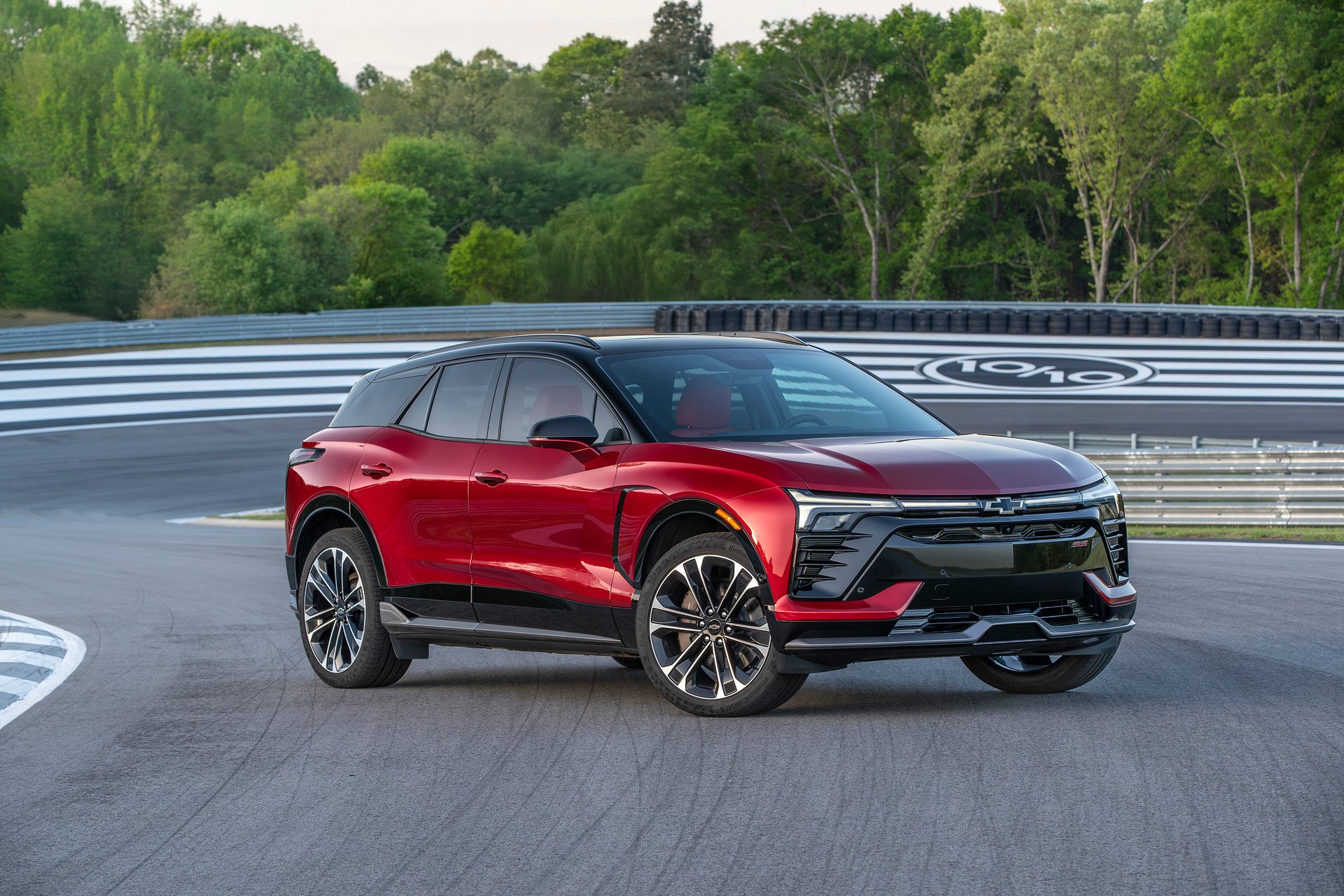
| Chevrolet Blazer EV | Software issues, battery malfunctions | Price TBA |
| Rivian R1T | Build quality issues, HVAC problems | Price TBA |
Summary
The Least Reliable EVs 2026 have raised significant concerns among potential buyers, as highlighted by Consumer Reports. Various models such as the Lucid Air, Rivian R1S, and Audi Q4 e-tron, among others, face numerous reliability issues ranging from mechanical faults to software bugs that may lead to unexpected inconveniences for drivers. As the electric vehicle market continues to evolve, car buyers must carefully consider these factors when choosing their next EV to avoid frustration and costly repairs.
Top Examples of Least Reliable EVs 2026
In the rapidly evolving electric vehicle market, not all models stand up to scrutiny when it comes to reliability. Consumer Reports highlights a list of the least reliable EVs for 2026, drawing attention to troubling patterns that could turn potential buyers away. Among these, models like the Lucid Air and Rivian R1S have come under fire for significant reliability issues. With problems ranging from battery malfunctions to unresponsive software, these vehicles pose a risk not just to convenience but also potentially to driver safety.
Furthermore, the 2026 assessments reveal that these unreliable electric vehicles may deter consumers who prioritize reliability in their purchases. The industry’s reputation can take a serious hit from models that don’t meet expectations; thus, potential buyers are urged to consult resources like Consumer Reports for comprehensive evaluations before committing to their purchase. As we see a growing trend in the electric vehicle sector, understanding which vehicles are classified among the least reliable EVs for 2026 can save consumers from the headaches and expenses associated with constant repairs.
Analyzing EV Reliability Issues
Reliability issues in electric vehicles vary widely, impacting everything from performance metrics to overall user satisfaction. Many consumers who expected a seamless transition to electric have found disappointment in models marked by software glitches or hardware failure. Problems like battery drain, unexpected shutdowns, and unresponsive infotainment systems frequently emerge as common complaints in the market, leading to diminished trust. This growing number of unreliable electric vehicles spurs further inquiries into quality assurance practices by manufacturers, who must strive to maintain consumer confidence.
Additionally, experiences with these unreliable electric vehicles emphasize the importance of consumer reviews and expert ratings. Notably, models such as the Audi Q4 e-tron and Kia EV6 showcase how even high-profile brands can misjudge their own quality control, leading to significant recalls and repairs just a year or two post-launch. Paying close attention to 2026 EV reviews can illuminate these pitfalls, serving as a guide for potential buyers on which models to consider and which to avoid.
Consumer Reports EV Ratings and Their Implications
Consumer Reports has established itself as an authoritative source in evaluating vehicle reliability, providing valuable insights into what prospective EV owners can expect. The 2026 ratings demonstrate that many electric vehicles still struggle with fundamental reliability standards, despite advancements in technology and design. The poor reliability scores of models such as the Honda Prologue and Rivian R1T serve as warnings to consumers considering their next electric purchase.
These ratings hold weight in the automotive market as they shape consumer perceptions and influence purchasing decisions. A low rating from Consumer Reports can translate to decreased sales and a tarnished reputation for manufacturers, compelling them to reassess their engineering and quality control measures. For buyers, these ratings act as critical tools to navigate the complexities of electric vehicle ownership and to avoid unreliable electric vehicles that may bring more hassle than convenience.
Key Problems Facing 2026 Electric Vehicles
The landscape of electric vehicles in 2026 is marked by a multitude of issues that plague even the most esteemed brands. Many electric vehicles are suffering from electronic failures, with batteries that fail to hold a charge and software that cannot keep up with modern demands. For instance, the Genesis GV60 has been noted for its troublesome infotainment system that has led to significant dissatisfaction among owners, illustrating a broader trend in the industry where tech integration can fall short.
Moreover, these problems are reflected in the overall reliability ratings of various models, fueling concerns among potential buyers about the long-term viability of their investments. As the trend of electric vehicles continues to grow in popularity, it becomes critical for manufacturers to address reliability issues that could undermine consumer confidence. Otherwise, consumers may hesitate to embrace the future of transportation that electric vehicles represent.
The Impact of Unreliable Electric Vehicles
Reliability is crucial in the automotive world, and when it comes to electric vehicles, the stakes are even higher. Unreliable electric vehicles can lead to public distrust and skepticism regarding their practical use. Models like the Audi Q6 e-tron demonstrate how consistent performance issues not only frustrate users but also tarnish the reputation of the brand. In an industry striving for sustainability and innovation, reliability is a foundational element that must not be overlooked.
Additionally, as electric vehicles become more ubiquitous, the potential pitfalls of choosing an unreliable one extend beyond mere inconvenience. Issues such as battery failures or software glitches can pose significant risks, especially for drivers in emergency situations. It is abundantly clear that the future of electric vehicles hinges on manufacturers’ ability to address these fundamental reliability issues, thus ensuring that they can be trusted not only as a cheaper alternative but as a dependable mode of transportation.
Rising Concerns Over EV Battery Reliability
Battery reliability remains a pressing concern in discussions of electric vehicle reliability. Numerous reports have pointed out that issues surrounding battery performance, such as unexpected drain and failures, are common among models like the Hyundai Ioniq 5 and Kia EV9. The reliance on battery technology as the heartbeat of electric vehicles intensifies the scrutiny on manufacturers to deliver high-quality, dependable units.
As electric vehicles become more integrated into everyday life, the implications of battery reliability extend beyond user inconvenience. An unreliable battery may lead to a loss of confidence among consumers, who might hesitate to adopt electric vehicles due to fears of being stranded. Addressing battery reliability is essential, as it not only impacts vehicle performance but also the broader message around the push for sustainable, electric energy models.
Understanding the Cost of Bad Electric Cars
The financial implications of investing in unreliable electric vehicles can be vast, with consumers potentially facing expensive repairs and replacements. For instance, a model like the Lucid Air may come equipped with advanced technology and impressive features, but the ongoing issues related to reliability could lead to substantial long-term costs for owners. As potential buyers evaluate options, understanding the hidden costs associated with unreliable models becomes crucial.
Moreover, the public perception of electric vehicles may sway based on the reliability of available models. As owners share their experiences with bad electric cars, it contributes to a growing narrative that may deter future buyers, undermining the entire industry’s efforts to promote EV adoption. It is imperative for consumers to educate themselves about existing reliability problems before committing to a purchase, ensuring they do not fall victim to the pitfalls of poor investment.
What Lies Ahead for EV Reliability in 2026
As we move into 2026, the future of electric vehicle reliability depends on manufacturers’ willingness to learn from past mistakes. The growing number of failed models serves as a reminder that continuous improvement in quality control is essential. Not only do manufacturers need to focus on technological advancements, but they must also prioritize reliability tests and consumer feedback to enhance their offerings.
Moreover, as the electric vehicle market continues to expand, the expectations of consumers will rise. Buyers will demand vehicles that not only provide superior performance and features but also maintain a high degree of reliability. As manufacturers seek to capture a larger share of the market, addressing the reliability issues plaguing the least reliable EVs for 2026 will be crucial in transforming public perception and fostering long-term satisfaction among consumers.
Navigating Choices in the EV Market
Navigating the electric vehicle market can be overwhelming, especially with numerous models boasting a wide range of features and price points. However, armed with knowledge about the least reliable EVs for 2026, consumers can make informed decisions that go beyond aesthetics or marketing hype. The emphasis on reliability ratings provided by reputable sources like Consumer Reports can offer invaluable guidance as buyers weigh the options available to them.
Ultimately, consumers must prioritize their needs, whether it be range, performance, or reliability, when deciding which electric vehicle to purchase. The EV market’s growth hinges on not only increasing the number of available models but also ensuring that those models meet consumer expectations in terms of reliability. By understanding the landscape and being aware of common pitfalls, buyers can navigate their choices effectively and make investments that align with their values and lifestyles.
Frequently Asked Questions
What are the least reliable EVs for 2026 according to Consumer Reports?
According to Consumer Reports, the least reliable EVs for 2026 include models like the Lucid Air, Rivian R1S, Audi Q4 e-tron, and Hyundai Ioniq 9, all of which have faced significant reliability issues and customer complaints.
Why are certain electric vehicles categorized as unreliable in 2026?
Certain electric vehicles are categorized as unreliable in 2026 due to recurring problems such as software glitches, battery issues, and poor build quality, as highlighted in various 2026 EV reviews and Consumer Reports EV ratings.
Which electric vehicles have the most EV reliability issues in 2026?
The 2026 electric vehicles with the most reliability issues include the Kia EV6, Honda Prologue, and Audi Q6 e-tron, all of which have reported serious technical faults impacting performance and safety.
How does the Lucid Air rank in terms of reliability for the 2026 model year?
The Lucid Air ranks poorly for reliability in the 2026 model year, plagued by hardware faults, software issues, and frequent trips to the service center, making it one of the least reliable electric vehicles.
What common problems affect the Kia EV6 and its reliability score in 2026?
The Kia EV6 suffers from battery faults and Integrated Charging Control Unit (ICCU) issues, leading to significant reliability concerns and affecting its predicted reliability score for 2026.
What factors contribute to the Rivian R1S being listed among bad electric cars for 2026?
The Rivian R1S is considered one of the bad electric cars for 2026 mainly due to its multitude of technical issues, including climate control problems and unreliable software, which significantly lower its reliability rating.
Are any 2026 EVs recommended despite reliability issues?
While models like the Audi Q4 e-tron and Hyundai Ioniq 9 show potential, their reliability issues may deter buyers. It’s important to weigh performance against reported reliability problems outlined in Consumer Reports EV ratings.
How do Consumer Reports EV ratings affect perceptions of EV reliability for 2026?
Consumer Reports EV ratings play a crucial role in shaping perceptions of EV reliability for 2026 by documenting user experiences, common issues, and overall ratings, helping consumers make informed purchasing decisions.
What steps can buyers take to avoid purchasing unreliable electric vehicles in 2026?
To avoid purchasing unreliable electric vehicles in 2026, buyers should research Consumer Reports, pay attention to model reliability scores, and read reviews on specific EV reliability issues to make educated choices.
Can issues with unreliable electric vehicles like the Rivian R1T be resolved?
While many issues with unreliable electric vehicles like the Rivian R1T can potentially be resolved through software updates or recalls, the persistent nature of these problems raises concerns about long-term reliability.