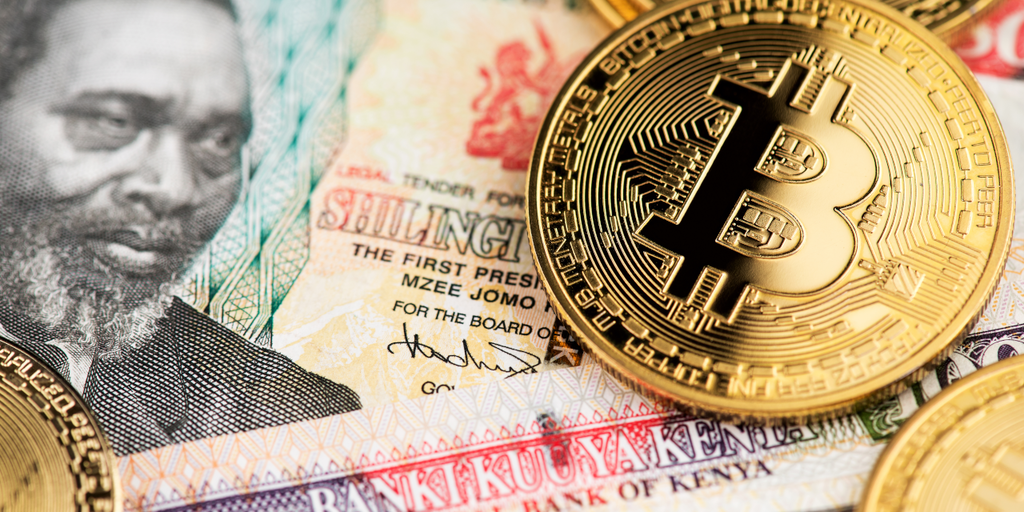

Kenya Enacts Legislation to Control Cryptocurrencies Amid Increasing Adoption

In a significant move towards regulating digital currencies, Kenya has enacted new legislation aimed at controlling the use, trading, and overall operation of cryptocurrencies within its borders. This legislative action comes in response to the growing adoption of cryptocurrencies in the country, which, while presenting substantial economic opportunities, has also introduced a range of regulatory and security challenges.
The Rise of Cryptocurrencies in Kenya
Kenya, known for its vibrant economy and technological enthusiasm, has seen a significant surge in cryptocurrency adoption among its population. The convenience and efficiency of digital transactions, coupled with the widespread use of mobile technology, have made cryptocurrencies an attractive alternative to traditional banking systems. Moreover, cryptocurrencies have been embraced by many as a solution to common financial barriers, offering unbanked or underbanked populations access to essential financial services.
Concerns Prompting Regulation
However, this rapid adoption has not come without concerns. Issues such as fraud, money laundering, and the potential for financing terrorism have cast a shadow over the digital currency landscape. The lack of a regulatory framework has further exacerbated these risks, leaving consumers vulnerable to scams and market volatility.
Kenyan authorities have also been wary of the impact of unregulated cryptocurrency use on the country’s financial system. Without proper oversight, there is a potential for economic instability, which could undermine the nation’s financial integrity and the efficacy of its monetary policies.
Key Provisions of the New Legislation
The newly enacted legislation aims to mitigate these risks while fostering a safe and conducive environment for the growth of digital finance. Some of the key provisions of the law include:
-
Licensing of Cryptocurrency Exchanges: Entities wishing to offer cryptocurrency exchange services will now be required to obtain a license from the Central Bank of Kenya. This move is intended to ensure that all exchanges operating in the country meet certain operational and security standards.
-
Anti-Money Laundering Measures: The legislation incorporates strict anti-money laundering (AML) and counter-terrorism financing (CTF) requirements for all cryptocurrency platforms. These measures are critical in preventing the misuse of digital currencies for illicit activities.
-
Consumer Protection Standards: To safeguard consumers, the law mandates the implementation of robust security protocols by all cryptocurrency-related businesses. These include transparent transaction processes and the provision of clear information about the risks associated with cryptocurrency investments.
- Taxation and Reporting Requirements: The law also outlines specific taxation guidelines for cryptocurrency transactions, which aim to bring clarity and fairness to the fiscal obligations of digital currency users.
Impact on the Cryptocurrency Community
The response from Kenya’s cryptocurrency community has been mixed. While some users and stakeholders appreciate the government’s efforts to provide a legal framework that protects consumers and ensures market stability, others fear that stringent regulations may stifle innovation and the entrepreneurial spirit in the digital currency space.
Entrepreneurs and investors in the cryptocurrency market are particularly concerned about how licensing and compliance costs might affect smaller startups or deter new entrants.
Looking Forward
As Kenya navigates this new regulatory terrain, the global community will be watching closely. The successful implementation of these laws could serve as a model for other countries grappling with similar regulatory challenges in the cryptocurrency domain.
By striking a balance between innovation and regulation, Kenya not only aims to enhance the security and reliability of digital currency transactions but also to cement its position as a leader in the digital finance arena in Africa and beyond.