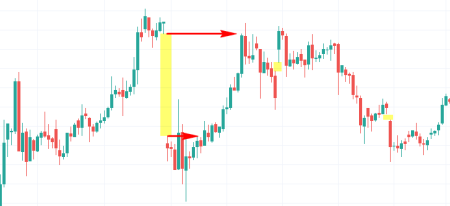




As the U.S. government shutdown comes to an end, the anticipated resumption of regular economic reports, including crucial jobs data, is expected to bring clarity to Bitcoin’s macroeconomic indicators which have been muddled during the blackout.

The U.S. government shutdown, which temporarily halted many federal operations, also resulted in a suspension of several key economic reports, including non-farm payroll numbers, unemployment rates, and other significant economic indicators. This lack of data has made it challenging for Bitcoin investors and analysts to gauge the economic environment, influencing decision-making processes related to the cryptocurrency.
Bitcoin, which sways with macroeconomic indicators due to its growing role as a digital asset and a hedge against fiat instability, has seen a tumultuous period of trading amid the government shutdown. Investors and market enthusiasts keenly await these regular economic updates to make informed decisions. The absence of this data led to increased speculation and uncertainty, causing fluctuations in Bitcoin’s value.
Now, with the government reopening, the normalization of data release is expected. Analysts foresee a significant impact on Bitcoin’s price and investor sentiment. Correct and timely jobs data is particularly crucial. It helps in understanding the economic recovery pace, inflation trends, and consumer spending capacity—all factors that significantly influence Bitcoin’s market dynamics.
Historically, Bitcoin has shown sensitivity to major economic announcements. For example, stronger-than-expected economic growth or job gains in the U.S. strengthen the dollar, which can put downward pressure on Bitcoin as investors might lean towards traditional assets. Conversely, weaker data could affirm Bitcoin’s appeal as an alternative investment.
The return of regular economic reporting will likely provide a clearer picture of where the economy stands in its recovery phase post-pandemic, and by extension, where Bitcoin might be heading. If the job market is stronger than expected, it could lead to tighter monetary policies by the Federal Reserve, potentially increasing the strength of the U.S. dollar and putting pressure on Bitcoin. Meanwhile, if recovery seems slower, it could validate Bitcoin’s proposition as a “safe haven” asset.
Despite the anticipation, some analysts advise caution. They argue that Bitcoin’s response to economic indicators can be unpredictable due to its relatively young market and the myriad of factors influencing its price. Moreover, Bitcoin’s global nature means it is impacted by not just U.S. economic health but worldwide economic conditions.
In conclusion, as the regular flow of economic data resumes post-shutdown, Bitcoin investors are advised to stay updated and prepared for potential market moves. The forthcoming jobs data will be particularly scrutinized for a clearer understanding of the macroeconomic landscape and its implications on Bitcoin. Such clarity will be crucial for making informed investment decisions in the crypto space amidst ongoing global economic complexities.