


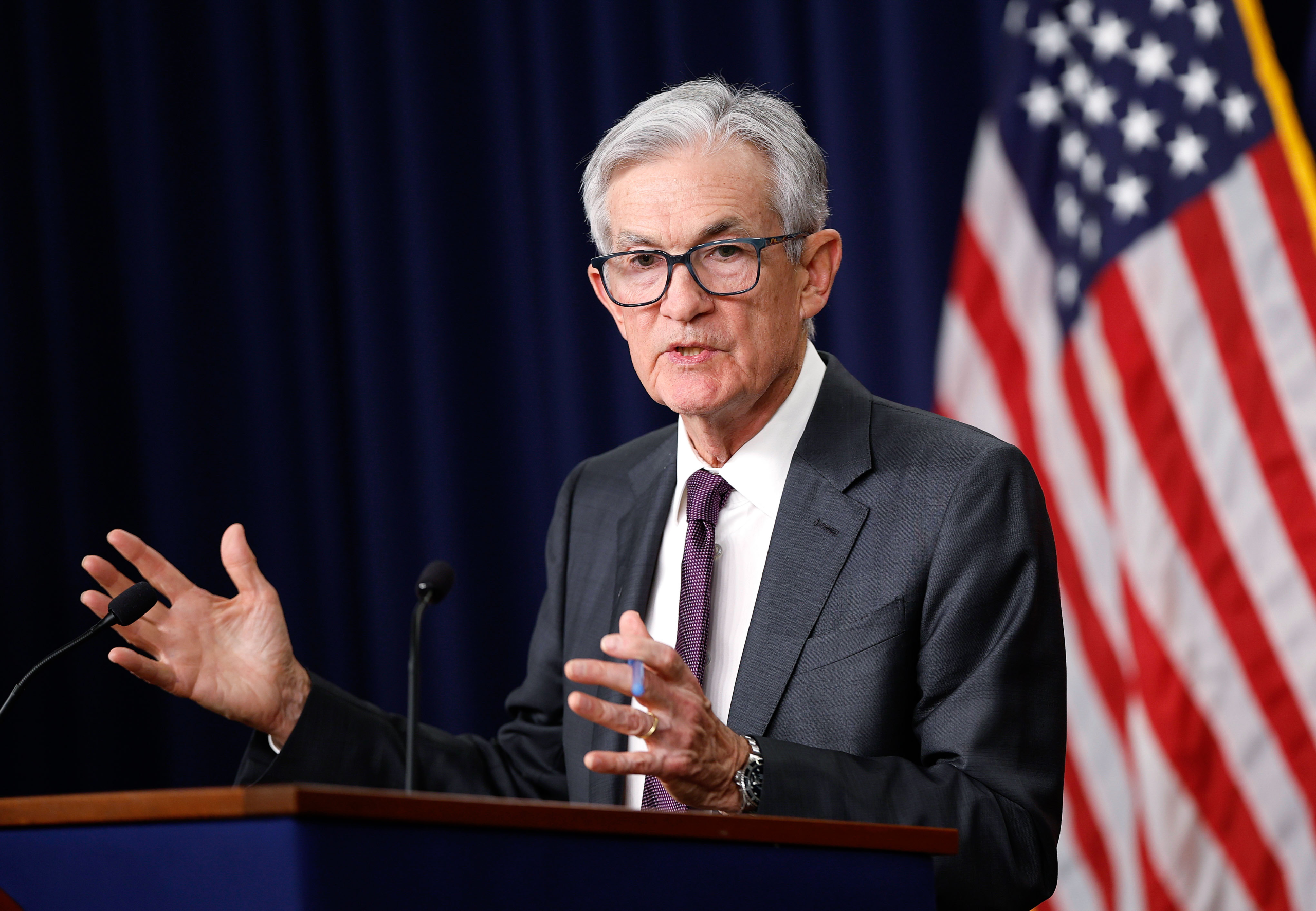

Federal Reserve Chair Jerome Powell finds himself at the center of controversy as he critiques the Trump administration over a recent criminal investigation. This investigation has been perceived as an alarming attempt to compromise the Federal Reserve’s independence, especially concerning interest rates. Powell argues that the probe is symptomatic of undue political pressure undermining monetary policy decisions, highlighting the ongoing debate about the Fed’s autonomy amidst rising scrutiny. His remarks suggest a deep commitment to making decisions grounded in economic evidence rather than succumbing to partisan demands, reflecting his stance on the importance of Federal Reserve independence. As Powell’s term nears its conclusion, the tension between the central bank’s mission and political influences has sparked considerable discussion in financial circles about the implications for future monetary policy.

The current landscape surrounding the Federal Reserve is marked by deepening debates over its operational integrity and the influence of political figures. Jerome Powell, the figurehead of the central banking system, faces a challenging environment as external pressures, particularly from the Trump administration, raise questions about the impartiality of monetary policy. Recent allegations and a criminal inquiry have amplified criticisms directed at Powell, igniting discussions about the independence of the Fed amidst prior interest rates controversies. The role of the Fed chair as an economic steward is scrutinized under the lens of accountability, revealing how monetary governance could potentially be affected by governmental agendas. As discussions revolve around Powell’s leadership and the overarching dynamics between fiscal policy and political interests, observers remain keen on how these factors will shape the future of the Federal Reserve.
The Independence of the Federal Reserve Under Jerome Powell
Federal Reserve Chair Jerome Powell has consistently underscored the importance of the central bank’s independence, especially in the face of political pressures. In a recent critique of the Trump administration, Powell articulated concerns that an ongoing criminal investigation is rooted in attempts to mitigate the Fed’s ability to set interest rates solely based on economic data. This fundamentally prompts a discussion about how independence is vital for effective monetary policy and the integrity of the Federal Reserve’s operations.
An important aspect of this independence hinges on the Fed’s ability to make decisions free from external political influences. Powell’s statement illustrates this, highlighting that interest rate decisions must be made based on careful analysis rather than aligning with presidential preferences. Given the rising tensions between the Federal Reserve and the Trump administration, it is clear that protecting the integrity of the Fed is paramount for ensuring sound economic policies that benefit the public at large.
Trump Administration’s Investigation and Its Implications
The recent launch of a criminal investigation into Jerome Powell and the decisions made during the Trump administration raises significant questions about political influence over the Federal Reserve. This investigation centers on whether Powell misled Congress regarding the renovation of the Fed’s headquarters, an issue that some perceive as a façade for deeper political tactics aimed at pressuring the central bank. Such investigations, especially when they target the Fed chair directly, reflect ongoing conflicts and underscore the administration’s attempts to undermine Federal Reserve independence.
While President Trump claims ignorance regarding the specifics of the Justice Department’s investigation, his history of publicly criticizing Powell over interest rates is undeniable. Trump’s interference poses risks, as it threatens to shift focus from economic indicators to political agendas. The implications of this investigation extend beyond Powell; they touch on the very foundations of how monetary policy is shaped and the extent to which it can remain free from intimidation.
Interest Rates: Navigating Controversy Under Political Scrutiny
Interest rates have long been a contentious issue within U.S. economic policy, especially during the Trump administration. Jerome Powell faced increasing scrutiny for resisting White House pressures to lower rates to stimulate economic growth as per Trump’s wishes. This divergence in policy vision has raised questions about the operational independence of the Fed and the potential ramifications of political influence over monetary policy, which is designed to be unaffected by the whims of fluctuating political landscapes.
Furthermore, as Powell approaches the conclusion of his term, discussions surrounding interest rate adjustments remain highly charged. Analysts note that while some of Trump’s potential successors might align more closely with the administration’s previous demands for lower rates, it is critical for the next Fed chair to prioritize evidence-based decisions over political affiliations. The landscape of interest rate policy is evolving, highlighting the essential need for steadfast adherence to the principles of independent monetary governance.
Criticism of the Fed Chair: Navigating Political and Economic Challenges
Criticism directed at Jerome Powell has often reflected broader sentiments regarding the Fed’s policies and its role in the economic landscape. During his tenure, Powell has been faced with relentless attacks from the Trump administration, particularly concerning the pace of interest rate changes. This scrutiny is indicative of a deeper misunderstanding of the Fed’s mandate and the importance of making data-driven decisions devoid of political interference.
Moreover, the narrative surrounding Powell’s capabilities as Fed chair is intertwined with broader concerns about the integrity of monetary policy decisions. Critics argue that Powell must navigate both internal and external pressures expertly, ensuring that he remains committed to his role as an independent monetary authority. The criticisms highlight the fragile balance between fulfilling the Fed’s objectives and avoiding the pitfalls of politicization in economic decision-making.
Monetary Policy Under Threat: The Future of the Federal Reserve
The future of monetary policy hangs in the balance as the Federal Reserve navigates political pressures and challenges to its independence. As Powell stated, the essential nature of the Fed is to make decisions based on robust economic evidence rather than bowing to political intimidation. This moment represents a critical juncture for the central bank, emphasizing the necessity for policymakers to reinforce the tenets of independent decision-making to safeguard the economy’s health.
Looking forward, the relationship between the Federal Reserve and the executive branch could shape the landscape of monetary policy significantly. With potential successors to Powell who may be more aligned with Trump’s philosophies on interest rates, concerns arise about how these shifts could alter policy direction. The Fed’s ability to maintain its independent status will be imperative to ensure that monetary policy remains sustainable, equitable, and ultimately effective for the U.S. economy.
Frequently Asked Questions
What is Jerome Powell’s stance on Federal Reserve independence?
Jerome Powell, the Federal Reserve Chair, has consistently emphasized the importance of Federal Reserve independence, particularly in light of ongoing political pressures, including those from the Trump administration. He believes that the Fed must set interest rates based on evidence and economic conditions rather than political influence.
How has the Trump administration affected interest rates policies under Jerome Powell’s leadership?
Under Jerome Powell’s leadership, the Trump administration’s influence has sparked controversy surrounding interest rates. Powell faced constant criticism from President Trump for not accommodating his requests for lower rates, indicating a potential clash between monetary policy decisions and political expectations.
What were the criticisms faced by Jerome Powell regarding Fed chair responsibilities?
Jerome Powell has faced criticism as Fed chair, particularly from the Trump administration, for his decisions on interest rates. President Trump openly criticized Powell’s refusal to enact aggressive rate cuts, arguing that it negatively impacted the economy, which fueled ongoing debates about the Fed’s independence and accountability.
What is the controversy surrounding Jerome Powell and the recent investigation initiated by the Trump administration?
The controversy involves a criminal investigation initiated by a U.S. attorney into Jerome Powell regarding the Federal Reserve’s headquarters renovation. Powell argues that this investigation reflects the Trump administration’s attempts to undermine the Fed’s independence in setting interest rates and may influence monetary policy.
How does Jerome Powell view political influence on monetary policy decisions?
Jerome Powell has publicly stated that the Federal Reserve must operate independently from political pressures. He argues that allowing political influence to dictate monetary policy decisions would undermine the effectiveness of the Fed, particularly in setting interest rates based on economic evidence.
What implications does the investigation into Jerome Powell have for the Federal Reserve’s operations?
The ongoing investigation into Jerome Powell raises concerns about the potential for political intimidation affecting the Federal Reserve’s operations. Powell suggests that if the investigation succeeds, it could set a precedent for further political interference in monetary policy decisions, particularly in how interest rates are managed.
Who might replace Jerome Powell as Fed chair, and what are their views on interest rates?
Speculation suggests that Kevin Hassett, a key economic advisor to President Trump, is a frontrunner to replace Jerome Powell as Fed chair. Hassett has indicated that he would prioritize rate cuts, reflecting Trump’s preferences and potentially altering the Fed’s current approach to interest rates.
| Key Point | Detail |
|---|---|
| Jerome Powell’s Criticism | Powell criticized Trump for undermining the Fed’s independence with a criminal investigation. |
| Criminal Investigation | Initiated by the U.S. attorney regarding Fed’s headquarters renovation and alleged misleading of Congress. |
| Trump’s Attacks | Repeatedly criticized Powell and the Fed for not adhering to his interests. |
| Response to Pressure | Powell stated the investigation reflects ongoing political pressure on the Federal Reserve. |
| Future of Monetary Policy | Powell emphasized the need for the Fed to set rates based on economic evidence, not political pressure. |
| Potential Successors | Trump is aligning potential loyalists to replace Powell; Kevin Hassett is a notable frontrunner. |
Summary
Jerome Powell is at the center of a heated controversy as he faces a criminal investigation that many view as an attempt by the Trump administration to undermine the Federal Reserve’s authority. The ongoing pressures exerted by Trump on Powell regarding interest rate policies exemplify the significant challenges the central bank faces in maintaining its independence. As Powell’s term concludes in May, the implications of this investigation on monetary policy and the structural integrity of the Federal Reserve continue to unfold, raising concerns about political influence overriding economic rationale.
Related: More from Ethereum News | Google Cloud, MoneyGram Join New Privacy Network Bank Initiative | Ethereum Network Transactions Hit New Record: What It Means for You