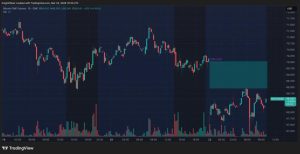




Japan crypto ETFs may soon transform the landscape of cryptocurrency investing in the country, marking a significant step toward mainstream acceptance of digital assets. With the Japan Financial Services Agency (FSA) considering regulations to create exchange-traded funds that include cryptocurrencies, the ease of investing in Bitcoin ETFs in Japan could be just around the corner. This progressive move aims to simplify retail investor access to the crypto market, allowing everyday individuals to participate in the growing digital economy without the complexities of directly buying and managing cryptocurrencies. As global institutions increasingly align their portfolios with crypto offerings, Japan emerges as a player in the evolving narrative of crypto market regulation. These developments pose exciting opportunities for both investors and regulatory bodies as they navigate the intersection of traditional finance and innovative digital investments.

The introduction of cryptocurrency exchange-traded funds (ETFs) in Japan represents a noteworthy evolution in the financial options available to investors. By providing a regulated vehicle for investing in digital currencies, Japan’s financial authorities aim to promote safer investment practices while appealing to a broader audience. As the country prepares to enhance retail investor access to cryptocurrencies through these ETFs, it mirrors international trends where similar regulated products have gained traction. With advancements in crypto market regulation, Japan may find itself capitalizing on the growing global interest in digital assets, thus enhancing the credibility and stability of cryptocurrency investments. This promising development hints at a future where average investors can seamlessly engage with the world of digital currencies through established financial instruments.
| Key Points | Details |
|---|---|
| Launch of Crypto ETFs in Japan | Japan may introduce its first crypto ETFs by 2028, simplifying access for everyday investors. |
| Regulatory Milestone | The FSA plans to add cryptocurrencies to the list of assets for ETFs, which would be a significant regulatory step. |
| Investor Protection | New proposals for enhanced investor protections will accompany the introduction of crypto ETFs, addressing risks associated with volatile markets. |
| Major Players | Nomura and SBI are seen as potential leaders in launching the country’s first crypto ETFs. |
| Accessibility for Retail Investors | ETFs will make it easier for retail investors to invest in cryptocurrencies without the complexities of crypto wallets. |
| Institutional Adoption | Institutional interest in cryptocurrencies is growing, with many funds looking to include crypto ETFs in their portfolios. |
Summary
Japan crypto ETFs could revolutionize the investment landscape by providing a new, regulated way for investors to access cryptocurrencies. With expected listings as soon as 2028, these ETFs can simplify the investment process, making crypto more accessible while enhancing investor protection. As institutional interest rises and regulatory frameworks solidify, the potential for Japan to become a significant player in the cryptocurrency ETF market is strong.
The Rise of Japan Crypto ETFs: A Game Changer for Retail Investors
The emergence of cryptocurrency exchange-traded funds (ETFs) in Japan represents a significant evolution in the landscape of crypto investing for retail investors. These ETFs are designed to track the performance of cryptocurrencies like Bitcoin, allowing everyday investors a straightforward method to gain exposure to the volatile crypto market. As a result, this could serve as a catalyst for broader retail investor access, enabling individuals who may have been hesitant about direct cryptocurrency investing to participate in this burgeoning asset class. With Japan’s Financial Services Agency (FSA) actively considering regulations surrounding these financial products, the groundwork is being laid for a more integrated approach to digital asset investment.
The anticipated launch of Japan’s crypto ETFs is expected to simplify the investment process significantly. Rather than navigating crypto wallets or grappling with the complexities of securing digital assets, investors can trade ETF shares on the Tokyo Stock Exchange just like traditional stocks. This streamlined access eliminates many barriers associated with direct cryptocurrency purchases, thereby attracting a new demographic of investors eager to explore data-driven investment opportunities in the digital sphere. As these funds emerge, they may redefine how Japanese investors perceive and interact with the cryptocurrency market, facilitating an increase in overall market participation.
How Japan’s Financial Services Agency Is Shaping Crypto Market Regulation
The regulatory landscape for cryptocurrencies in Japan is poised for a transformative change, spearheaded by the Japan Financial Services Agency (FSA). By including cryptocurrencies in the range of assets that can be bundled into ETFs, the FSA is taking significant steps towards incorporating digital assets into the mainstream financial framework. This move not only legitimizes crypto investments but also enhances protections for investors amid the inherent risks associated with market volatility. By closely monitoring how these funds perform, the FSA aims to ensure that retail investors have access to safer investment vehicles, thereby promoting a more stable investment environment.
In addition to allowing crypto ETFs, the FSA is actively contemplating robust regulations that will address investor safety and market integrity. These regulations may include transparency requirements for fund managers and guidelines regarding the assets contained within ETFs. By emphasizing proper oversight, Japan could establish a regulatory model that balances innovation with consumer protection, setting a precedent that resonates with other global markets. This cautious yet proactive approach is aligned with trends observed in other jurisdictions, where governments have recognized the need for comprehensive crypto regulations to foster investor confidence.
Key Players: Nomura and SBI Leading Japan’s Crypto ETF Frontier
In the burgeoning Japanese crypto ETF landscape, financial giants Nomura Holdings and SBI Holdings are emerging as key players. These firms are positioned to spearhead the development of Japan’s first cryptocurrency ETFs, which could mark the country’s entry into a more dynamic investment sphere characterized by digital assets. Given their expertise and established reputations in the financial sector, both Nomura and SBI are strategically aligned to leverage the anticipated growth opportunities within the crypto market. Their involvement is likely to enhance credibility among potential investors, promoting a sense of security in the nascent investment space.
However, the path to launching these ETFs is subject to approval by the Tokyo Stock Exchange, which will examine the applications thoroughly before permitting public trading. The TOKYO exchange’s endorsement is crucial, as it ensures that these financial products meet stringent regulatory standards before they become accessible to retail investors. The anticipated participation of established institutions like Nomura and SBI not only signals strong institutional commitment to the sector but also paves the way for broader retail adoption of crypto investments in Japan.
The Impact of Crypto ETFs on Retail Investor Accessibility
The introduction of cryptocurrency ETFs in Japan is set to mainstream access for retail investors who have historically faced hurdles when it comes to entering the crypto market. Cryptocurrencies typically require a level of technological understanding that may deter less experienced investors, given the complexities of wallets and private keys. By providing a regulated vehicle for investing in cryptocurrencies, ETFs simplify this process significantly. Retail investors can buy and sell ETF shares just as they would stocks, fostering greater participation in the crypto market while leveraging the safety and stability that come with traditional equity investments.
Moreover, these ETFs could potentially draw in investors who are cautious about cryptocurrency volatility yet interested in diversifying their portfolios. As the demand for alternative asset classes continues to grow, introducing ETFs focused on cryptocurrencies offers a viable method for individuals to gain exposure without the direct risks associated with owning digital currencies. This lower barrier of entry not only opens the door for everyday investors but could also lead to a paradigm shift in how the public perceives and engages with digital assets, redefining investment strategies for a new generation.
Institutional Interest in Japanese Crypto ETFs: A Growing Trend
Institutional adoption of cryptocurrency as a legitimate asset class has notably surged in recent years, and Japan is no exception. With major institutions recognizing the potential of crypto assets, the impending launch of crypto ETFs could further accelerate this trend. Institutional investors have begun including products like Bitcoin ETFs in their portfolios, viewing them as opportunities for both diversification and return generation. This growing interest is indicative of a shifting perspective where cryptocurrencies are no longer categorized exclusively as speculative assets but are acknowledged as integral components of modern investment strategies.
The dramatic increase in the total market capitalization of cryptocurrencies—from $1 trillion to approximately $3 trillion in just three years—highlights the robust demand for crypto assets among institutional players. Should Japan proceed with the implementation of crypto ETFs, it stands to reason that domestic pension funds and large financial institutions will explore these new products in their investment allocations. By moving forward with regulated ETFs, Japan could join other global markets where institutional participation has soared, further solidifying its stance in the international cryptocurrency ecosystem.
Frequently Asked Questions
What are Japan crypto ETFs and how do they work?
Japan crypto ETFs, or exchange-traded funds that invest in cryptocurrencies, would allow investors to buy shares of funds that track the performance of cryptocurrencies like Bitcoin. These ETFs aim to simplify cryptocurrency investing by eliminating the complexities associated with directly purchasing and storing digital assets.
How is Japan’s Financial Services Agency involved in crypto ETFs?
Japan’s Financial Services Agency (FSA) is critical in regulating the potential launch of crypto ETFs in the country. The FSA plans to include cryptocurrencies in the list of assets that ETFs can invest in, marking a major step towards mainstream adoption while ensuring investor protections are in place.
What impact will Japan crypto ETFs have on retail investor access?
Japan crypto ETFs could significantly enhance retail investor access to digital assets. By allowing the purchase of ETF shares through familiar stock exchanges, everyday investors can gain exposure to cryptocurrencies without needing to manage their own crypto wallets or understand complex storage solutions.
Are there any major companies involved in developing Japan’s crypto ETFs?
Yes, Nomura Holdings and SBI Holdings are among the prominent financial institutions identified as potential leaders in creating Japan’s first crypto ETFs. Their involvement indicates a growing interest in integrating cryptocurrency investing within regulated financial products.
What are the benefits of crypto ETFs for investors in Japan?
Crypto ETFs can lower barriers for investors in Japan by providing a regulated product to access cryptocurrencies like Bitcoin, reducing risks associated with direct ownership, and offering a familiar trading environment similar to stocks. This opens up new avenues for portfolio diversification in a regulated context.
When can we expect Japan to launch its first crypto ETFs?
While specific dates are yet to be confirmed, reports suggest that Japan could see the launch of its first crypto ETFs as early as 2028, provided the regulatory framework is established and approved by the Tokyo Stock Exchange.
How does the global trend in crypto ETFs influence Japan’s market?
The global trend towards accepting and regulating crypto ETFs, as seen with the successful launches in markets like the US and Hong Kong, sets a precedent for Japan. This influence could prompt the FSA and local financial institutions to expedite the development and approval of similar products in Japan.
What are the risks associated with investing in Japan crypto ETFs?
Investing in Japan crypto ETFs carries inherent risks due to the volatility of cryptocurrencies. While these ETFs are designed to provide regulated access to digital assets, market fluctuations can still lead to significant price changes, potentially impacting investor returns.
Related: More from Market Analysis | WLFI Price Predicted: World Liberty Financial Proposes Governance Overhaul | XLM Bounces But Bears Control