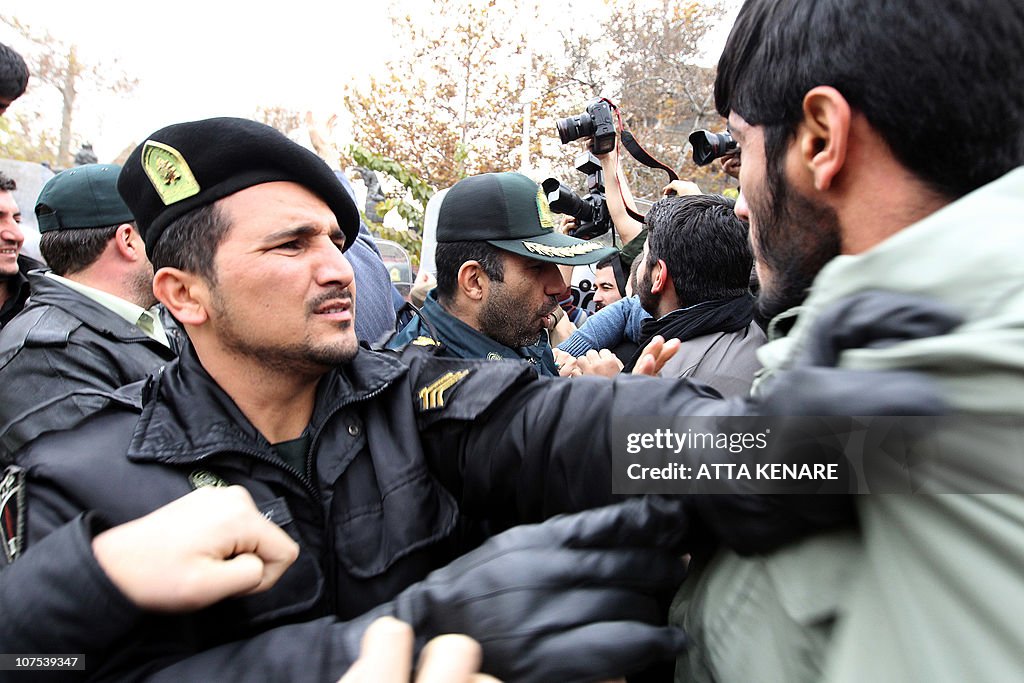

| Key Point | Details |
|---|---|
| Restoration of Order | The government has successfully restored order in various cities following recent protests. |
| Role of Citizens | Citizen participation was crucial in restoring safety according to Radwan. |
| Efforts of Security Forces | Armed forces, security agencies, and law enforcement played key roles in maintaining order. |
| Continued Vigilance | Law enforcement agencies will keep working to identify and apprehend those involved in unrest. |
Summary
Iran security forces have successfully managed to restore order in the country following recent protests and unrest. Under the leadership of Commander Radwan, the cooperation of citizens alongside the efforts of security forces has led to a significant recovery of safety in cities nationwide. The commitment from law enforcement to continue their operations against those causing unrest signifies the government’s determination to maintain public order. It is crucial for the Iranian authorities to continue collaborating with citizens to uphold peace and security in the region.
In recent times, the Iran security forces have become a focal point amid the widespread unrest and protests across the nation. Under the command of key figures like Radwan, these forces have worked diligently to restore public safety and order following significant civil disturbances. According to reports from the Islamic Republic of Iran Broadcasting (IRIB), Radwan emphasized the critical role of citizen participation and the coordinated efforts of various law enforcement agencies in achieving stability. As the government seeks to address the aftermath of the demonstrations, ensuring accountability remains a top priority for these security personnel. Their unwavering commitment to reestablishing calm shows the balancing act between maintaining peace and addressing the chants of discontent that reverberate in the streets of Iran.
The armed forces of Iran have recently been thrust into the spotlight as they tackle the challenges posed by civil unrest and mass movements within the country. Veteran officials like Radwan have been vocal about restoring order amidst these turbulent protests, highlighting the essential function of police and security entities in safeguarding public peace. The Islamic Republic’s response, as reported by media outlets, showcases a comprehensive strategy aimed at identifying those responsible for the recent wave of unrest. Law enforcement agencies continue to play a pivotal role in monitoring and managing the volatile situation, reflecting a broader commitment to national stability. As citizens engage with their government’s initiatives, the critical dialogue around law and order continues to evolve within the context of Iran’s rich socio-political landscape.
Iran’s Security Forces Restore Order Amid Protests
The recent uprisings in Iran have led to significant responses from the government, particularly from Iran’s security forces. Commander Radwan affirmed that the unrest has been addressed efficiently, and law enforcement has played a pivotal role in stabilizing municipalities across the nation. His remarks were reported by the Islamic Republic of Iran Broadcasting, highlighting how citizen cooperation with security agencies has bolstered efforts to restore peace. The swift actions taken by these forces are crucial in reinforcing the Islamic Republic’s commitment to maintaining order during these challenging times.
As protests escalated, many citizens expressed their frustrations over various issues, and the government’s response was swift. Radwan emphasized that the unity between law enforcement and the citizens has been instrumental in quelling the disturbances. The security forces are dedicated to thorough investigations to apprehend those responsible for inciting unrest and vandalism, ensuring that public safety remains a top priority. Given that protests can often lead to broader unrest, the effective function of Iran’s security apparatus is critical in managing these volatile situations.
The Role of Law Enforcement in Recent Iran Unrest
Amid the turmoil, law enforcement agencies in Iran have taken decisive measures to address the surge in protests. The government’s response, underscored by Radwan’s assertion, reflects a strategic intention to identify and detain individuals responsible for disruptions. The coordinated efforts of security personnel not only focus on immediate incidents of unrest but also aim to deter future occurrences. This proactive stance by law enforcement underscores their vital role in upholding the safety and stability of Iranian society during these tumultuous times.
The Islamic Republic’s law enforcement agencies have a responsibility to maintain public order while ensuring the rights of citizens are respected. The balance between security and civil liberties is delicate, especially during periods of heightened unrest. Nonetheless, as emphasized by Commander Radwan, the commitment of these forces to restoring normalcy is unwavering. They are tasked with navigating the complexities of public dissent while fostering an environment where citizens can express their grievances without resorting to violence and chaos.
Citizen Participation in Maintaining Safety During Protests
The collaboration between citizens and Iran’s security forces is essential during periods of civil unrest. Commander Radwan noted in his statements that the active participation of the population has significantly contributed to restoring order. This partnership showcases a collective effort in tackling unrest, demonstrating that the involvement of civilians can be a powerful tool in ensuring community safety. By reporting suspicious activities and cooperating with law enforcement, citizens play a crucial role in maintaining peace amid turmoil.
This active engagement can be seen as a double-edged sword; while it fosters a sense of community resilience, it also places a significant responsibility on the citizenry to uphold law and order. Those who stand in solidarity with the security forces do so with the mutual goal of achieving stability, but this calls for an ongoing dialogue about the rights and responsibilities of individuals during heated times. In the context of the protests, such citizen involvement can mitigate conflicts, thereby fostering a more harmonious society.
Implications of Radwan’s Remarks on Iran’s Stability
Commander Radwan’s remarks about restoring order have profound implications for the future stability of Iran. His statements signal to both the domestic audience and the international community that the Iranian government remains resilient in the face of dissent. By painting a picture of a unified response to unrest, the government seeks to reassure its citizens and reinforce the legitimacy of its authority. Such messages are crucial for maintaining public confidence, especially in a socio-political climate marred by tensions.
Additionally, the emphasis on the role of the armed forces and law enforcement in dissipating protests hints at a broader strategy to enhance state control over civil society. This dynamic may result in more stringent security measures moving forward, ensuring that public demonstrations do not escalate into widespread disorder. As the Islamic Republic reinforces its security framework, citizens must navigate the complexities of exercising their rights while adhering to the growing expectations for conformity and order.
Media Representation of Iran’s Response to Unrest
The portrayal of recent events in Iran, especially as reported by the Islamic Republic of Iran Broadcasting (IRIB), reflects the government’s narrative regarding protests and unrest. The state media’s coverage of Radwan’s remarks serves to amplify the official perspective that stability has been restored through effective law enforcement and citizen cooperation. This form of media representation is vital for shaping public opinion, as it reinforces the notion that the state’s actions are justified and necessary for national security.
Furthermore, this media approach serves to diminish any potential criticisms of government handling of dissent. By focusing on the successes of security forces and the restoration of order, the narrative often overlooks the underlying causes of unrest, such as socio-economic challenges faced by the populace. Thus, while the actions taken by Iran’s security forces are critical in managing immediate crises, media coverage plays a pivotal role in framing these events and influencing public perception of both the government’s authority and the legitimacy of citizen grievances.
Future Challenges for Iran’s Security Forces
As the dust settles from recent protests, Iran’s security forces face a new array of challenges moving forward. With public sentiment still simmering below the surface, the potential for future unrest remains high if underlying issues are not addressed. Commander Radwan acknowledges that while order has been restored, the vigilant work of security agencies is far from over. Ensuring long-term stability requires not only the apprehension of troublemakers but also addressing the root causes of dissent that provoke outcry among the public.
Moreover, the evolving tactics of protestors, who may adapt in response to state measures, pose an ongoing challenge for law enforcement. As they continue to work closely with citizens to maintain order, the security forces must also navigate the delicate balance between enforcement and public trust. Engaging in community outreach and fostering dialogues about citizen rights may prove beneficial in the long term, helping to build a more harmonious society and mitigating chances of conflict.
International Reactions to Iran’s Handling of Protests
The international community’s reaction to Iran’s handling of the recent protests has been mixed, with various governments and organizations expressing concern over the measures employed by the Islamic Republic. Reports highlighting Radwan’s commitment to restoring order might be received positively by some foreign entities, emphasizing the government’s assertive stance in maintaining stability. However, critics argue that the heavy-handed approach to law enforcement illustrates a disregard for democratic principles and human rights, potentially tainting Iran’s global image.
Countries focusing on human rights issues may call for independent investigations into the actions of Iranian security forces during the protests. Such scrutiny can lead to diplomatic tensions, as the Iranian government firmly rejects any external interference in its national affairs. As external entities continue to watch developments within Iran, the balance of international relations will largely depend on how the security forces manage public dissent moving forward and whether the government seeks to engage in constructive dialogue with its critics.
The Importance of Accountability in Security Operations
The need for accountability within Iran’s security forces is paramount post-unrest. As law enforcement agencies work to identify and apprehend individuals responsible for vandalism, transparency in their operations will be essential to gain and maintain public trust. Commander Radwan has stated that comprehensive efforts will be made to ensure that all involved in the unrest are held accountable, but the processes governing these investigations must be fair and just to avoid accusations of bias or excessive force.
Furthermore, accountability extends beyond the police and military units. It includes the media portrayal of events, such as coverage by IRIB, which must provide an accurate representation of the situation. Adhering to principles of accountability not only reinforces the legitimacy of the security forces but also fosters a spirit of cooperation between the state and its citizens, which is critical for long-term peace and stability. This commitment to accountability will determine whether public unrest transforms into productive dialogues aimed at improving the socio-economic fabric of Iranian society.
Frequently Asked Questions
What role do the Iran security forces play in the recent Iran protests?
The Iran security forces, including law enforcement and armed forces, have been actively involved in managing the recent protests. According to Radwan, the commander of Iran’s security forces, these agencies have successfully restored order in various cities following the unrest.
How did Radwan’s remarks address the Iran unrest and security situation?
Radwan’s remarks emphasized that the Iran security forces have effectively managed to restore safety and order nationwide after the recent Iran unrest. He highlighted the collaborative efforts of citizens, as well as security agencies, in maintaining stability.
What actions are Iran’s law enforcement agencies taking post-protests?
Iran’s law enforcement agencies are focused on identifying and apprehending individuals involved in the protests and any related vandalism. Radwan remarked that these efforts will continue to ensure that order is maintained throughout the country.
How does the Islamic Republic of Iran Broadcasting report on security forces during the Iran protests?
The Islamic Republic of Iran Broadcasting (IRIB) reported on Radwan’s comments regarding the role of Iran security forces and law enforcement in restoring order during the protests. IRIB’s coverage reflects the government’s stance on the successful management of recent unrest.
What has been the impact of citizen participation on the Iran security forces’ actions during the protests?
Radwan indicated that citizen participation was crucial in supporting Iran’s security forces during the protests. This collaboration contributed to the restoration of public order and safety across various cities.
What measures are being taken by the Iranian government regarding law enforcement after unrest?
Following the unrest, the Iranian government has mandated that law enforcement agencies remain vigilant, actively identifying and dealing with those responsible for instigating protests and vandalism, as affirmed by Radwan.
Related: More from Regulation & Policy | UK FCA to Consider Cryptos for Gambling Payments | Judge Halts Binance Effort to Arbitrate US Cryptocurrency Claims