


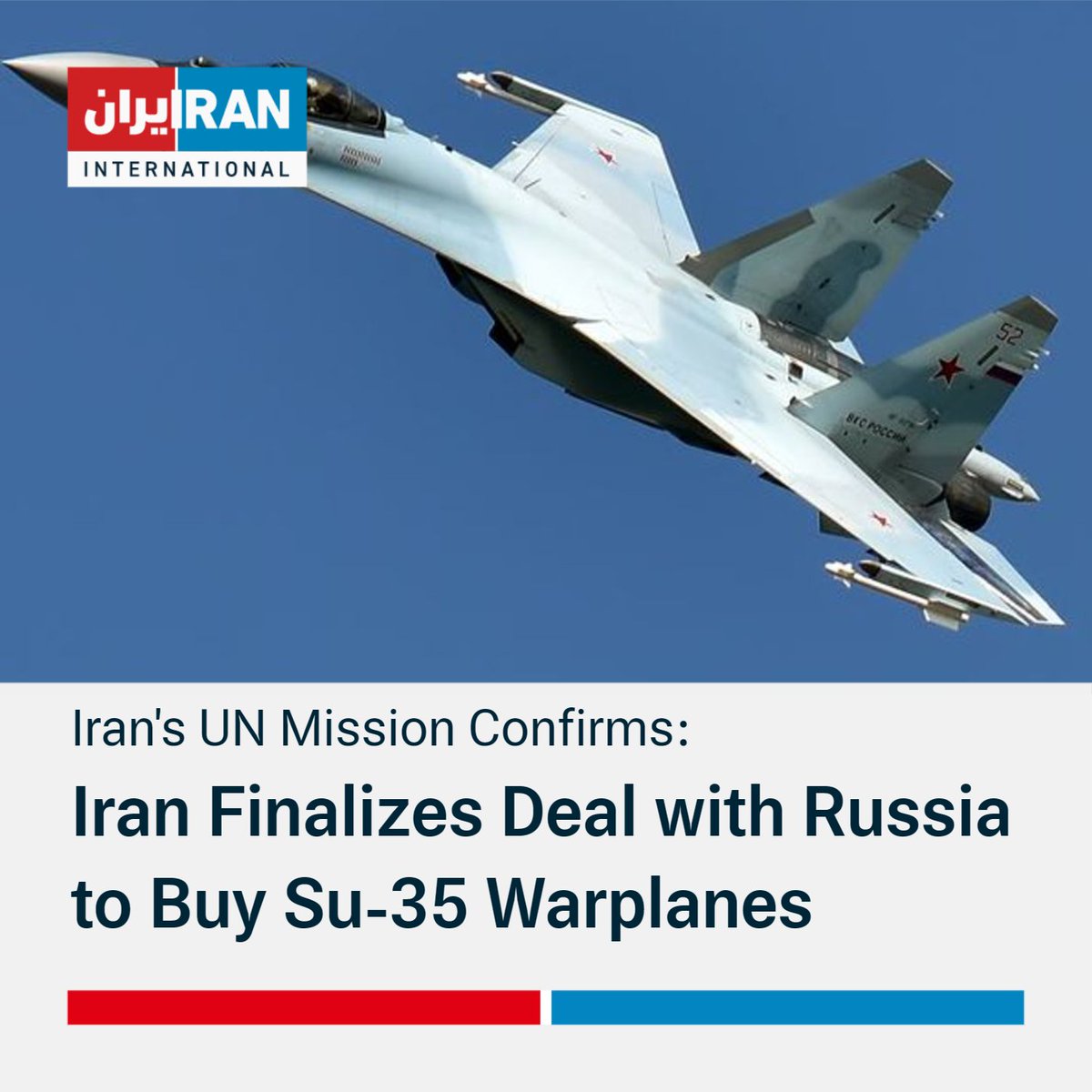

Iran military contracts are gaining increased attention as the Iranian Ministry of Defense Export Center, known as Mindex, adapts to the complexities of international defense trade. By leveraging innovative payment methods such as cryptocurrency payments and barter trade, Iran seeks to circumvent stringent sanctions and boost its military capabilities. Mindex plays a pivotal role in facilitating defense sales to foreign governments, ensuring that transactions do not falter under the weight of Iran sanctions evasion. This strategic approach not only enhances Iran’s military trade but also paves the way for a broader range of foreign government contracts. As the landscape of defense procurement continues to evolve, Mindex’s adaptive strategies towards military contracts position Iran as a key player on the global stage.

Iranian defense agreements are increasingly characterized by innovative payment solutions that deflect the challenges posed by global sanctions. The Iranian Ministry of Defense’s export division, Mindex, is at the forefront of these developments, offering foreign nations various financial avenues—including digital currencies and direct bartering. This flexibility in military procurement not only strengthens Iran’s defense posture but also highlights its resilience against economic pressures linked to sanctions. Mindex’s proactive approach places it in a unique position within the international arms market, enabling the successful execution of contracts. Consequently, these defense sales reflect a sophisticated understanding of modern military trade dynamics and a commitment to sustaining operational readiness despite external obstacles.
Iran Military Contracts and Cryptocurrency Payments
In a groundbreaking move, the Iranian Ministry of Defense Export Center, known as Mindex, has opened discussions for military contracts that allow foreign governments the flexibility to make payments through cryptocurrency. This shift is not merely a reactive measure to increase trade amid stringent global sanctions but represents a strategic pivot in how Iran conducts military trade. By embracing cryptocurrency, Mindex positions itself to bypass traditional banking systems that are often hindered by restrictive sanctions imposed on Iran. This approach not only provides an alternative avenue for transactions but also underscores the innovative tactics employed by Iran to maintain trade relationships.
Moreover, the use of cryptocurrency in military contracts is a significant development that could redefine military procurement processes globally. Foreign governments exploring partnerships with Iran may find cryptocurrency payments advantageous, as they facilitate faster and more secure transactions while enabling these nations to evade potential sanctions repercussions. With Mindex’s assertion that contracts can be executed seamlessly despite sanctions risks, the military contracts arena is entering a phase where digital currencies may become a norm, thereby expanding the scope and viability of military trade.
Navigating Sanctions with Barter Trade and Payments in Rials
In light of ongoing economic sanctions, Iran is adapting its military trade strategies by offering barter trade options and allowing payments in Iranian rials. This flexibility is a crucial aspect of Mindex’s offerings, particularly for countries that are either limited by the sanctions or wary of transactional risks related to international banking. Barter trade expands the landscape for military contracts, enabling nations to exchange goods or services without direct cash transactions, thereby insulating themselves from financial sanctions.
Additionally, allowing payments in Iranian rials presents a unique opportunity to bolster trade relations with nations that are sympathetic to Iran’s geopolitical situation. Countries engaging in military contracts with Iran can mitigate their exposure to sanctions while developing their own defensive capabilities. Mindex’s willingness to negotiate under these conditions showcases a proactive approach to military trade, demonstrating that even in a difficult sanctions environment, there are viable pathways for international contracts and collaboration.
The Role of Mindex in Foreign Military Sales
Mindex serves as the cornerstone for Iran’s military sales on an international scale, responsible for facilitating and managing defense contracts with foreign governments. Its role is particularly crucial as the agency navigates the complexities posed by sanctions and international scrutiny. By streamlining the foreign government contracts process, Mindex not only enhances Iran’s standing in global military trade but also showcases its commitment to fulfilling defense demands despite geopolitical pressures.
Furthermore, as military technology evolves, Mindex is also on the cutting edge, representing Iran’s advanced defense capabilities in a marketplace dominated by larger superpowers. By leveraging unique aspects such as cryptocurrency payments and barter options, Mindex positions itself competitively. This diversification not only appeals to foreign governments seeking to enhance their military capabilities but also establishes Iran as a strategic player in the global defense sector.
Evasive Strategies for Iran Sanctions Compliance
Iran has developed a myriad of evasive strategies to comply with and navigate international sanctions, particularly those pertaining to military contracts. Mindex openly discusses these strategies, highlighting that the organization has built robust mechanisms to ensure successful contract execution and delivery. The frequent mention of ‘sanctions evasion’ points to a sophisticated understanding of the limitations imposed by western powers, and Mindex’s transparent approach could attract nations looking to engage with Iran without excessive risk.
Moreover, the pursuit of sanctions evasion through effective communication and strategic negotiation allows Iran to maintain its defense sector’s vitality. By explicitly stating that obstacles can be overcome to ensure products reach their destinations, Mindex positions itself as a reliable partner in military procurement, appealing to nations that might doubt the viability of engaging with Iran due to sanctions. This not only fosters cooperation but inspires confidence in military trade contracts under potentially restrictive conditions.
Implications of Cryptocurrency in Military Procurement
The introduction of cryptocurrency into military procurement processes by Iran marks a potential paradigm shift within the defense industry. For nations looking to engage in military contracts without being hindered by traditional banking systems, this alternative payment method could bridge gaps created by sanctions. The ability to transact digitally may lead to increased efficiency and security, as well as reduced dependency on conventional fiscal structures that are often vulnerable to international politics.
This shift could also spark interest among potential allies or states that require military goods but are hesitant to engage due to sanction-related risks. Cryptocurrency-based payments may transform the landscape of military procurements, encouraging countries to explore partnerships with Iran that they might otherwise avoid. The implications for future military contracts are significant, as they could pave the way for a new era of financial interactions in defense procurement.
Future of Military Trade in Light of Sanctions
The landscape of military trade is rapidly evolving, particularly for nations subjected to international sanctions. As organizations like Mindex adapt and innovate, they present new avenues for cooperation that were previously thought impossible under stringent restrictions. The future of military trade involving Iran will likely see an increased reliance on non-traditional payment methods, such as cryptocurrencies and barter, allowing countries to engage despite the adverse impacts of sanctions.
Moreover, as global dynamics shift and new alliances are formed, Iran’s military trade partnerships may diversify significantly. Mindex’s adaptability and proactive engagement approach will determine how effectively Iran can capitalize on these opportunities. The rapidly changing geopolitical climate suggests that military contracts with Iran could become more prevalent, especially among nations seeking to bolster their defense capabilities without succumbing to the pressures of international sanctions.
Military Contracts as a Tool for Diplomacy
Military contracts can serve as a significant tool for diplomacy, creating openings for dialogue and cooperation between nations, particularly in regions where tensions are high. In the case of Iran, the ability of Mindex to secure defense contracts with foreign governments can lead to enhanced diplomatic engagements and negotiations beyond mere military exchanges. These contracts can foster relationships rooted in mutual defense needs, thereby opening doors for collaboration on broader political and economic issues.
Furthermore, as military contracts become intertwined with diplomatic efforts, the importance of Mindex in this arena grows. By aligning defense sales with diplomatic objectives, Iran can leverage military contracts to assert its influence regionally and globally. This approach not only enhances national security but could also pave the way for broader strategic partnerships that transcend individual military transactions, ultimately impacting the geopolitical landscape.
Comparative Analysis of Iran’s Defense Sales with Global Trends
A comprehensive analysis of Iran’s defense sales reveals intriguing parallels and contrasts with global military trade trends. As Mindex seeks to enhance its military contracts, the embrace of innovative payment modes such as cryptocurrency positions Iran advantageously against traditional defense exporters. While major military powers typically rely on established financial systems and straightforward transactions, Iran’s strategy could attract nations seeking flexible and nuanced approaches, particularly in a post-sanction landscape.
Moreover, the relationship between military trade and technological advancement cannot be overlooked. Many countries are investing heavily in next-generation military technologies, and Iran’s defense sales model through Mindex could provide an alternative model for nations that wish to access such technologies without direct financial commitments tied to established systems. As global military dynamics shift, the comparative analysis of Iran’s approach may illuminate new pathways for other nations navigating similar sanction-related hurdles in military trade.
Impact of Foreign Government Contracts on Regional Security
Foreign government contracts involving military sales from Iran play a critical role in shaping regional security dynamics. As Mindex facilitates these transactions, the strategic partnerships formed can significantly influence the military balance across various geopolitical landscapes. Nations engaging with Iran through military contracts often seek to advance their own security interests and capabilities, which can lead to an escalation of arms production and procurement in the region.
Furthermore, these contracts can alter alliances and create new security frameworks within the region. As Iran strengthens its military ties with foreign governments, it may find itself at the center of a complex web of alliances that either stabilizes or destabilizes geopolitical relations. The impact of these foreign government contracts is profound, as they hold the potential to shift power balances and redefine security strategies in a region marked by volatility and contention.
Frequently Asked Questions
What are the options for payment in Iran military contracts?
Iran military contracts have flexible payment options, allowing foreign governments to make payments using cryptocurrency, barter trade, or Iranian rials. This flexibility helps navigate the complexities of international sanctions.
How does Mindex facilitate military trade for Iran?
Mindex, as the Iranian Ministry of Defense Export Center, plays a key role in facilitating military trade by negotiating contracts and managing overseas defense sales, particularly under the constraints of Iran sanctions.
Can foreign governments use cryptocurrency for Iran military contracts?
Yes, foreign governments can utilize cryptocurrency payments for Iran military contracts, providing an alternative method that aligns with Iran’s strategies to evade sanctions.
What challenges do foreign governments face when engaging in military contracts with Iran?
Foreign governments may face challenges related to international sanctions when engaging in military contracts with Iran. However, Mindex assures that there are ways to work within these challenges, including using innovative payment solutions.
How does Iran’s sanctions evasion strategy impact military contracts?
Iran’s sanctions evasion strategy impacts military contracts by allowing Mindex to assure potential partners that contracts can be executed effectively despite sanctions, using various payment methods to facilitate trade.
What role does Mindex play in the context of foreign government contracts?
Mindex is crucial in the context of foreign government contracts as it oversees the negotiation and execution of military agreements, ensuring that products reach their destinations while complying with Iran’s sanctions evasion policies.
What is the significance of barter trade in Iran military contracts?
Barter trade is significant in Iran military contracts as it provides an alternative to traditional currency payments, allowing foreign governments to engage in military trade without directly involving financial transactions impacted by sanctions.
How does the Iranian government ensure delivery of products in military contracts despite sanctions?
The Iranian government, via Mindex, ensures the delivery of products in military contracts by implementing strategies that support sanctions evasion, such as using cryptocurrency and other compliant payment structures.
| Key Point | Details |
|---|---|
| Mindex’s Role | Mindex is the Iranian Ministry of Defense Export Center, responsible for overseas defense sales. |
| Payment Methods | Foreign governments can pay for military contracts using cryptocurrency, barter trade, or Iranian rials. |
| Sanctions Awareness | Mindex addresses sanctions risks and asserts that contracts can be executed without issues despite sanctions. |
| Execution Assurance | The agency emphasizes that products will reach their destinations despite international sanctions. |
Summary
Iran military contracts have taken a notable turn as the Iranian Ministry of Defense Export Center, known as Mindex, prepares to negotiate with foreign governments. This innovative approach includes the option for payments via cryptocurrency, barter trade, or Iranian rials, adapting to the complexities posed by international sanctions. As Mindex aims to facilitate overseas defense sales, it reassures potential partners that there are effective methods to execute these contracts, ensuring timely delivery of military products despite existing sanctions. This strategic shift not only highlights Iran’s resilience against sanctions but also underscores its commitment to maintaining defense relationships with other nations.