

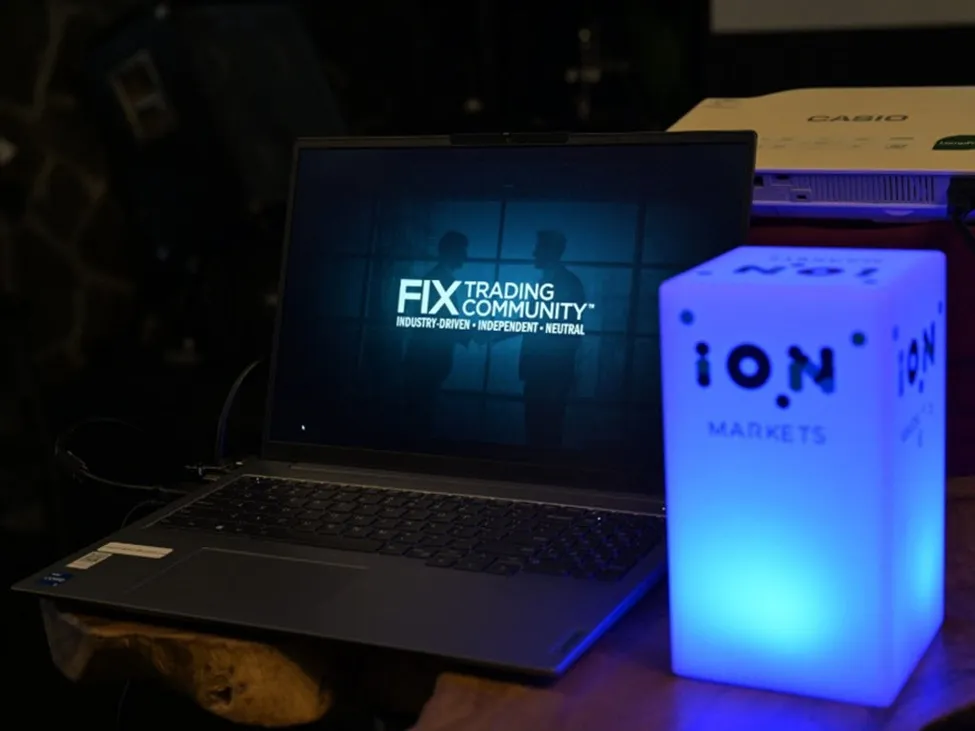

AI, Tokenization and the Rise of the All-Asset Trader Steal the Show at FIX Southeast Asia 2025 Delegates at the FIX Southeast Asia Multi-Asset Trading Conference in Singapore flagged three forces reshaping markets: AI augmenting execution, tokenized assets broadening access, and the shift to truly multi-asset trading desks. For FX and cross-asset traders, the implications are immediate—more 24/5 access, tighter workflows, and a premium on cross-market insight as liquidity and volatility increasingly spill across asset classes.

At a glance
- AI is moving from back-office experimentation to front-office augmentation, supporting execution timing, venue selection, and post-trade analytics—human oversight remains essential.
- Talks underscored Singapore’s push to deepen liquidity and product breadth, reinforcing its role as Asia’s hub for FX, rates, and equity flows.
- Vietnam’s pathway toward an emerging-market upgrade remains a focus for regional equity and FX investors looking for new alpha sources.
- 24/5 access to US markets is gaining institutional attention, with potential knock-on effects for Asian-session liquidity and hedging behavior.
- Tokenization is edging closer to practical use cases, but fragmented regulation is the main barrier to scale.
- Trading desks are consolidating into multi-asset structures, blurring silos between FX, equities, rates, and commodities to capture cross-market opportunities faster.
Why it matters for FX and global markets
The Singapore event centered on the mechanics and technology reshaping market access. For currency traders, more seamless 24/5 connectivity to US products and a stronger regional liquidity stack in Singapore can alter intraday behavior—particularly around data windows when liquidity and spreads typically gap. With AI tools accelerating signal filtering and execution choices, the combination may reduce implementation shortfall in calm conditions but could also amplify the speed of reaction in risk-off moves. Against a backdrop of cyclical inflation uncertainty and intermittent spikes in rate volatility, FX markets continue to trade event-by-event. The message from the conference was clear:
edge will come from faster cross-asset read-throughs and disciplined, AI-assisted execution—without removing the human in the loop.
Inside the agenda: structure, access, and innovation
Panels explored market structure and innovation, Singapore’s liquidity initiatives, Vietnam’s market development, the institutional case for 24/5 access to US venues, practical GenAI deployments on trading desks, and the blueprint for a truly multi-asset setup. Tokenized assets drew strong engagement, with participants debating how to harmonize custody, settlement, and disclosure standards across jurisdictions before broad adoption.
AI on the desk: augmentation over replacement
Speakers agreed that AI is most effective as a copilot: summarizing signals, identifying execution windows, and stress-testing strategies across regimes. Direct “AI-as-trader” models remain constrained by market complexity and regime shifts.
Expect the near-term value in pre-trade analytics, TCA, and post-trade optimization
—particularly for FX and futures where microstructure and liquidity fragmentation matter.
Tokenization: access meets regulation
Enthusiasm around tokenized funds and real-world assets centered on democratized access and instant settlement workflows. Yet the biggest speed bump is regulatory fragmentation—custody rules, interoperability, and KYC/AML standards vary widely. Until frameworks align, pilots will remain siloed. Still, the direction of travel is unmistakable: more direct, lower-friction access to diversified exposures.
24/5 US access: what changes in Asia
As institutions consider deeper participation in extended US trading, Asian desks could see earlier hedging activity and more responsive cross-asset pricing overnight. That may compress reaction time around macro headlines and nudge FX basis and futures liquidity patterns closer to a continuous model—supportive for sophisticated strategies but demanding tighter risk controls.
Multi-asset is becoming table stakes
With macro drivers ricocheting across rates, FX, equities, and commodities, firms are unifying desks to reduce latency between idea, hedge, and execution. The practical takeaway for traders:
proficiency across products matters
. Even if execution stays specialized, understanding cross-asset transmission is now critical to risk management and alpha capture.
What traders should watch next
– Concrete AI use cases that measurably cut slippage or improve hit ratios in FX and futures. – Regulatory milestones on tokenized funds and real-world assets in key hubs. – Liquidity shifts in Asian hours if institutional flows deepen in extended US sessions. – Progress on Vietnam’s market upgrade path and related FX regime signals. – How Singapore’s product expansion and liquidity initiatives affect spreads and volatility.
Speaking with delegates, BPayNews heard a consistent refrain: in a world of faster access and smarter tooling, the edge comes from connecting the dots—across assets, sessions, and regimes—before the next headline hits the tape.
FAQ
How will AI most likely impact FX trading in the near term?
Expect AI to enhance, not replace, human decision-making. The biggest gains should come from pre-trade analytics, execution timing, venue selection, and post-trade TCA—areas where pattern recognition and speed reduce costs without taking full discretion away from traders.
What does tokenization mean for investors?
In theory, tokenization enables quicker, cheaper access to diversified assets with simplified settlement. In practice, adoption hinges on harmonized regulation, custody standards, and interoperability. Until then, expect targeted pilots rather than market-wide transformation.
Could 24/5 access to US markets change Asian trading patterns?
Yes. More institutional participation outside US core hours can pull liquidity forward into Asian sessions, potentially tightening spreads in some instruments while accelerating price discovery after macro headlines. Risk systems and hedging playbooks will need to adapt.
Why is Vietnam’s market status important?
An upgrade toward emerging-market classification typically broadens the investor base and index inclusion, which can boost equity flows and deepen FX liquidity. Traders watch timelines, market plumbing reforms, and currency policy signals to gauge path and pace.
What skills matter on a multi-asset desk?
Cross-asset literacy, strong execution discipline, and data fluency. Understanding how rates and credit feed FX, how commodities link to inflation and equities, and how microstructure impacts fills is now as important as the trade idea itself.
Related: More from Regulation & Policy | Anthropic Founder Critiques Pentagons Choice as Unprecedented in Crypto Regulation | UK Gambling Regulator Examines Cryptocurrencies for Licensed Bettors in Crypto Regulation