


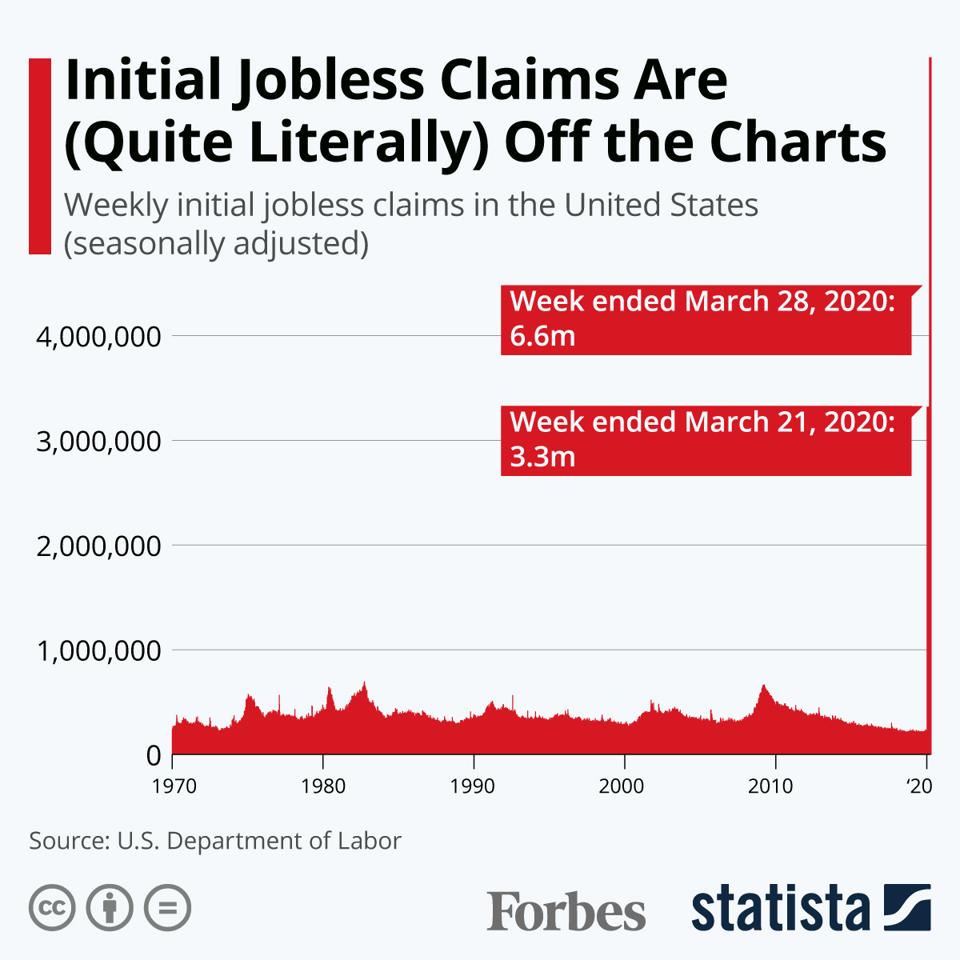

Initial jobless claims are a crucial indicator of the labor market’s health, reflecting the number of individuals filing for unemployment benefits. As reported for the week ending December 27, 2023, these claims dropped to 199,000, marking the lowest figure since late November. This significant decrease not only surpassed analysts’ expectations of 220,000 but also highlights a positive trend within the U.S. employment landscape. Understanding the trends in jobless claims December 2023 can provide insights into the broader economic indicators in the U.S., such as job growth and unemployment rates. Analyzing weekly jobless claims reports allows economists and policymakers to gauge the ongoing shifts in the employment sector, which plays a vital role in shaping U.S. unemployment statistics.

Unemployment filings, or initial unemployment benefit claims, offer vital insights into the economic conditions affecting workers. For the week ending December 27, 2023, reports indicated a notable decline in these filings, reaching a remarkable 199,000. This figure not only fell short of the anticipated 220,000 but also underscored a resilient labor market as the nation moves forward. By examining these unemployment filings, analysts can better interpret U.S. economic trends and their implications on job availability and workforce stability. Thus, a thorough jobless claims analysis can illuminate the factors influencing labor dynamics and help inform strategic decisions for future economic policies.
Understanding Initial Jobless Claims
Initial jobless claims serve as a critical economic indicator, reflecting the number of individuals filing for unemployment benefits for the first time during a specific period. For the week ending December 27, the U.S. witnessed 199,000 initial jobless claims, which not only marked the lowest level since late November but also fell significantly short of analysts’ expectations of 220,000. Such fluctuations in jobless claims are used by economists and policymakers to gauge the health of the labor market and the broader economy.
By monitoring the initial jobless claims over time, we can identify patterns in unemployment trends. A decline in jobless claims often suggests strengthening labor market conditions, while a steady increase may indicate potential economic downturns. As seen in the latest statistics, the drop in December’s initial claims could signal a resilience in job retainment during the holiday season, bolstering confidence among economists regarding U.S. employment rates.
Analysis of Jobless Claims in December 2023
The jobless claims analysis for December 2023 reveals important insights into the U.S. unemployment landscape. With only 199,000 claims filed in the last week of December, this data indicates a robust job market and suggests that many employers are holding onto their workforce despite economic uncertainties. This level of jobless claims is comparatively low, indicating that businesses are likely investing in their employees and are less inclined to make layoffs as the new year approaches.
Moreover, examining the jobless claims statistics for December provides valuable context when considering other U.S. unemployment statistics. The low number of initial claims may correlate with positive trends in payroll growth, job vacancies, and overall consumer confidence. While there may be seasonal adjustments that influence these claims, the overall data paints a picture of stability and potential for continued economic improvement.
Impact on Economic Indicators in the U.S.
The decrease in initial jobless claims can have a significant impact on various economic indicators in the U.S. A strong labor market usually translates to higher consumer spending, which boosts economic growth. For instance, with lower jobless claims, employees are more likely to have disposable income, leading to increased consumption of goods and services. This can create a cycle of growth within local economies as businesses respond to higher demand by hiring more staff, further decreasing unemployment rates.
Moreover, improved jobless claims figures can influence Federal Reserve policy decisions. If the trends show sustained low claims, the Fed may opt to tighten monetary policy in anticipation of inflationary pressures from increased consumer spending. This interaction highlights the importance of closely monitoring unemployment data, as it serves not just as a snapshot of job market health, but also as a predictor of wider economic shifts.
Weekly Jobless Claims Report Insights
The weekly jobless claims report is a crucial tool for economists and analysts to evaluate labor market dynamics. Each report offers a snapshot of the ongoing employment situation, making it vital for understanding the economic landscape in real-time. For December 2023, the claims report showcasing 199,000 new claims signals a positive trend that deviates from market expectations, suggesting that the economy may be more resilient than analysts predicted.
Each report contributes to a larger narrative regarding labor market health. It provides a basis for examining how various factors, such as seasonality, economic policies, and external economic pressures, affect employment. By analyzing these reports over time, economists can better forecast future job market conditions and potential government interventions designed to stimulate job growth.
Economic Recovery and Jobless Claims
As the U.S. economy continues its recovery phase, jobless claims play an essential role in assessing the progress. The recent report indicating 199,000 initial claims signifies a promising recovery from earlier labor market disruptions caused by the pandemic and other economic challenges. Lower jobless claims indicate that more people are finding stable employment, which is a key factor in fostering economic resilience.
Furthermore, a lower rate of jobless claims can boost investor sentiment, positively influencing stock markets and consumer confidence. When individuals feel secure in their jobs, they’re more likely to spend, invest, and engage in economic activities that can further propel the recovery process. Analyzing initial jobless claims alongside other economic indicators allows for a comprehensive understanding of the recovery trajectory.
Future Projections for Jobless Claims
Looking at future projections for jobless claims, economic analysts are keenly observing trends that could affect the labor market in 2024. The significant decrease to 199,000 claims suggests an optimistic outlook; however, uncertainty remains regarding external factors such as inflation, changes in consumer behavior, and global economic conditions. These factors could alter the job market landscape, leading to fluctuations in future claims.
Additionally, labor force participation rates and demographic changes will play crucial roles in shaping claims in the coming months. Analysts will need to keep a close eye on how industries adapt to ongoing economic challenges and whether businesses will maintain current employment levels or revert to layoffs in response to shifting demand. These projections are essential not only for economic strategists but also for policymakers aiming to create sustainable job growth.
Interpreting U.S. Unemployment Statistics
Interpreting U.S. unemployment statistics involves understanding the complex dynamics at play within the labor market. The recent jobless claims report, which shows a reduction to 199,000 claims, can be indicative of overall economic health. Unemployment rates are often accompanied by various other statistics, such as labor force participation and job growth figures, that provide a more nuanced view.
A comprehensive understanding of unemployment statistics requires looking beyond just the numbers. Factors such as long-term unemployment, underemployment, and regional employment disparities can significantly influence the overall employment landscape. Analyzing these elements in conjunction with the jobless claims data gives a clearer picture of how robust the labor market truly is.
The Correlation Between Initial Claims and Consumer Confidence
The correlation between initial jobless claims and consumer confidence is a topic of extensive research and analysis. Generally, low jobless claims, like the reported figure of 199,000 for December 2023, tend to bolster consumer confidence. When individuals see that fewer people are losing jobs, they are more likely to spend money and invest, which can, in turn, support economic growth.
On the other hand, rising jobless claims can evoke concerns among consumers, potentially leading to a decrease in spending. This relationship illustrates how important it is for policymakers to address unemployment issues promptly. Efforts to foster job growth and stabilize the labor market can result in increased consumer sentiment and a higher propensity for economic engagement.
Significance of Monitoring Jobless Claims Trends
Monitoring jobless claims trends is vital for understanding the shifting landscape of employment and the overall economy. The significant drop to 199,000 claims during the week ending December 27 allows economists to confirm ongoing positive trends in the labor market. By assessing the data over weeks and months, it becomes possible to identify cycles that may indicate potential shifts in economic health.
Understanding the significance of these trends can lead to better-informed economic policies and strategies. Stakeholders, including the government, businesses, and investors, rely on these insights to make decisions meant to promote stability and growth, particularly in uncertain times. Therefore, keeping an eye on jobless claims is essential for anyone interested in the economic landscape.
Frequently Asked Questions
What were the initial jobless claims in December 2023, and how do they compare to previous weeks?
For the week ending December 27, 2023, the initial jobless claims in the U.S. were reported at 199,000. This figure represents the lowest level since the week of November 29 and is notably below the market expectation of 220,000, indicating a strengthening labor market.
How can I analyze the jobless claims data for December 2023?
To conduct a thorough analysis of jobless claims data, particularly for December 2023, consider reviewing the weekly jobless claims report. This report provides insights into unemployment trends and can help you understand economic indicators in the U.S. Analyzing fluctuations in jobless claims can reveal shifts in the job market and potential economic growth or recession.
What do the U.S. unemployment statistics say about current jobless claims trends?
The U.S. unemployment statistics indicate that the recent trends in initial jobless claims, such as the 199,000 claims reported in December 2023, suggest a resilient job market. This decrease in claims points to fewer individuals seeking unemployment benefits and signals potential economic stability.
How do initial jobless claims impact economic indicators in the U.S.?
Initial jobless claims are a vital economic indicator in the U.S. as they reflect the number of individuals filing for unemployment benefits. A decline in claims, like the recent figure of 199,000, can indicate economic strength, signaling lower unemployment rates and improved job stability.
What is the significance of the weekly jobless claims report in understanding the labor market?
The weekly jobless claims report is crucial for understanding the labor market as it provides timely data on unemployment trends. The report for the week ending December 27, which showed 199,000 initial jobless claims, serves as an indicator of job availability and economic health, helping analysts gauge labor market conditions.
| Key Point | Details |
|---|---|
| Initial Jobless Claims Number | 199,000 for the week ending December 27 |
| Lowest Claims Since | The week of November 29 |
| Market Expectations | Expected to be 220,000 |
Summary
Initial jobless claims for the week ending December 27 indicated a remarkable decrease, highlighting a resilient labor market. The figure of 199,000 is not only the lowest since November 29 but also significantly below analysts’ expectations of 220,000. This positive trend suggests a strengthening economy, potentially encouraging further consumer confidence and spending.