
Yen on watch as BOJ’s Ueda highlights uncertainty around ‘neutral’ rate; December move in play

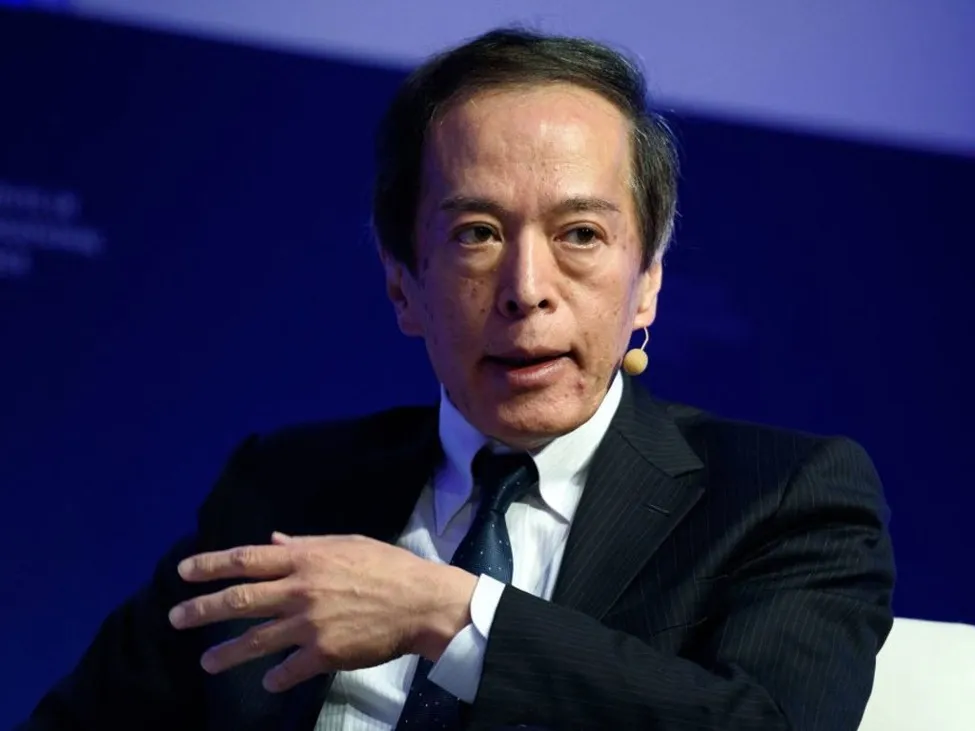
The yen-sensitive end of FX is bracing for potential volatility after Bank of Japan Governor Kazuo Ueda said policy remains accommodative and stressed wide uncertainty around Japan’s “neutral” interest rate, reviving debate over how far the BOJ can lift rates and whether a December hike is on the table.
Neutral-rate debate back in focus
Governor Ueda told parliament the BOJ still sees significant uncertainty in estimating Japan’s neutral rate—the level that neither stimulates nor restrains the economy—and said the bank can only offer a “wide range” for now. According to his remarks, the BOJ’s working estimate for the nominal neutral rate is roughly 1% to 2.5%, well above the current short-term policy rate of 0.5%.
Because the neutral rate isn’t directly observable and is influenced by shifting drivers like productivity, Ueda emphasized that policy must be set without perfect clarity on the ultimate peak rate. That keeps the “endpoint” ambiguous just as headline inflation has been running around or above 3%, sharpening the policy trade-off between normalization and growth support.
Why it matters for FX and bonds
For FX, the messaging is two-sided. On one hand, the acknowledgment that policy remains accommodative—given a neutral range far above the policy rate—leans hawkish at the margin and could underpin the yen if markets anticipate a faster path toward normalization. On the other, Ueda’s emphasis on uncertainty tempers expectations for an aggressive trajectory, potentially limiting JPY follow-through until data force the issue.
In rates, traders will focus on the front-end of the JGB curve, where sensitivity to BOJ guidance is highest. Any perception that the policy rate needs to move closer to the lower bound of the neutral range can nudge short-dated yields higher and compress rate differentials with the U.S., a key driver of USD/JPY.
December 18–19: what’s at stake
The BOJ’s final meeting of the year now carries added weight. With inflation sticky and real rates still negative, some desks argue a 25 bp increase to 0.75% is plausible. Others expect the BOJ to stress patience and data dependence, especially given lingering uncertainty over the neutral rate. Either way, guidance on wage dynamics, inflation expectations, and the balance of risks will be pivotal for USD/JPY and JPY crosses.
Market context
– FX volatility around the yen has been sensitive to shifts in global rate spreads; any narrowing versus U.S. yields tends to support JPY.
– Domestic inflation hovering near 3% increases pressure to continue normalization, but the BOJ’s caution reflects growth concerns and measurement uncertainty.
– Liquidity into year-end can amplify moves around policy events, raising gap risk for carry trades and options positioning.
At a glance
- Ueda says BOJ policy remains accommodative; neutral rate estimate spans 1%–2.5%.
- Current policy rate at 0.5% sits well below the estimated neutral range.
- Uncertainty over the neutral rate complicates calls on the terminal rate.
- December 18–19 meeting now key; some see risk of a 25 bp move to 0.75%.
- FX focus: USD/JPY reaction, front-end JGBs, and rate-differential dynamics.
What to watch next
– Wage settlements and services inflation as signals of persistent price pressure.
– BOJ communications and any narrowing of the neutral-rate estimate.
– Moves in short-dated JGB yields and how U.S.-Japan spreads evolve into year-end.
– Options skew in USD/JPY as traders hedge policy-event risk.
Questions and answers
What exactly did Ueda say about the neutral rate?
He noted the BOJ can only provide a “wide range” estimate for Japan’s nominal neutral rate and currently puts it around 1%–2.5%. He emphasized that the neutral rate isn’t directly observable and changes with factors such as productivity, so policy must be made amid uncertainty.
Does this signal a rate hike in December?
It doesn’t guarantee one, but it keeps the door open. With policy at 0.5% and the neutral range starting near 1%, some analysts view a 25 bp move to 0.75% as plausible. Others think the BOJ will prioritize patience and wait for more evidence on wages and inflation persistence.
How could USD/JPY react?
A more hawkish tilt or a December hike could support the yen by narrowing U.S.-Japan rate differentials, pressuring USD/JPY lower. Conversely, a cautious BOJ tone may keep carry trades intact and limit yen gains.
Why does the neutral rate matter for markets?
It’s a guidepost for where policy might settle over time. If the neutral rate is higher, the BOJ may need to lift rates further to avoid being overly stimulative, which affects the yen, bond yields, and equity risk appetite.
What data points are most important before the meeting?
Incoming inflation prints—especially services—wage trends, and inflation expectations. Markets will also parse BOJ commentary for any narrowing of the neutral-rate range or hints on the policy path.
This article was prepared by BPayNews’ markets desk to inform FX and macro investors ahead of the BOJ’s December policy event.