

Analyzing the Implications of Paxos’s $300 Trillion PYUSD Minting on the Stablecoin Ecosystem
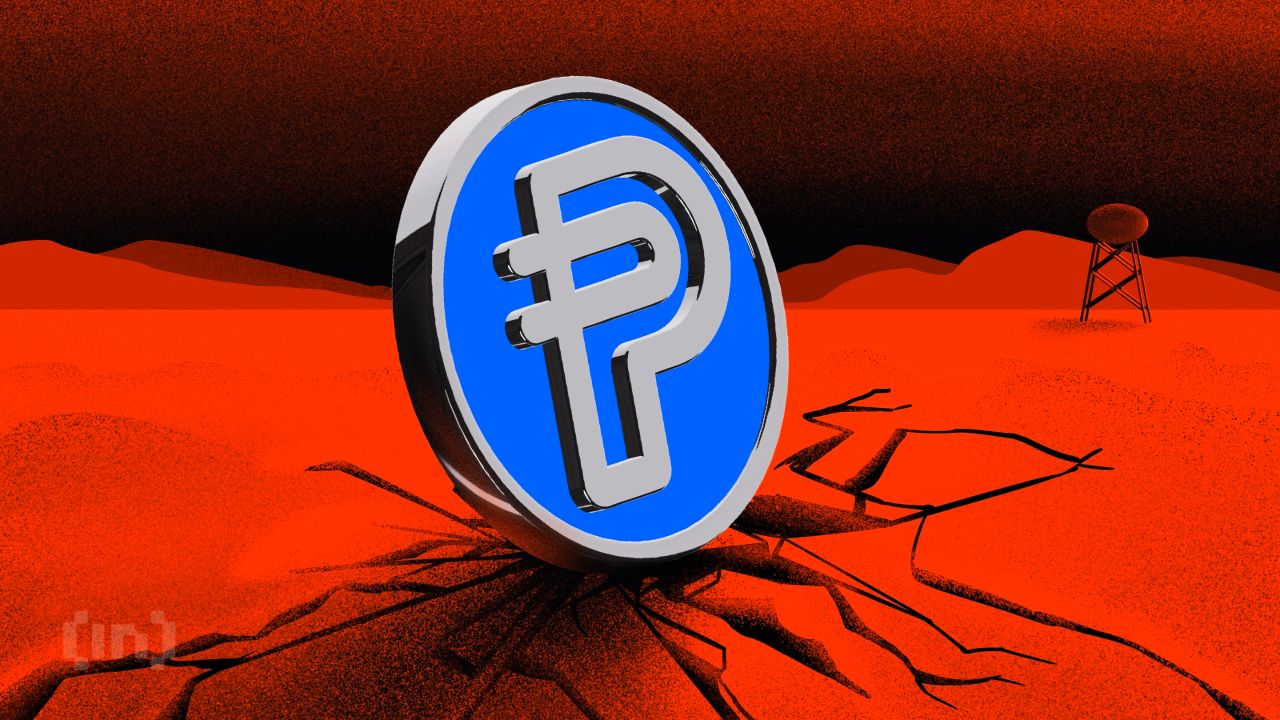
In an unprecedented move, Paxos recently minted a staggering $300 trillion of its stablecoin, PYUSD. This maneuver has sent shockwaves through the cryptocurrency markets and raised significant questions about the implications for the broader stablecoin ecosystem. By exploring key aspects such as market stability, regulatory response, and competitive dynamics, this article aims to dissect the potential repercussions of this monumental event.

Background
Paxos, a blockchain infrastructure platform, is known for issuing stablecoins, which are cryptocurrencies pegged to a stable asset, like the US dollar, to minimize volatility. PYUSD is Paxos’s USD-pegged stablecoin, purportedly backed by physical dollars or equivalent assets held in reserve. The decision to mint such a large quantity prompts a closer examination of Paxos’s strategy and the sustainability of such an action.
Market Impact
1. Liquidity and Volatility
The introduction of $300 trillion PYUSD into the market is poised to drastically alter the liquidity landscape. Initially, this could reduce volatility within the PYUSD markets as traders and investors have ample supply to meet demand without large price shifts. However, the long-term effects could swing in the opposite direction if confidence in Paxos’s ability to maintain the peg to the USD wavers.
2. Influence on Other Stablecoins
The sheer scale of the minting could lead to a re-shuffling of positions among the leading stablecoins such as USDT (Tether), USDC (USD Coin), and BUSD (Binance USD). Users and investors might shift their preferences based on the perceived strength and reliability of PYUSD’s backing, potentially leading to significant inflows or outflows from other stablecoins.
Regulatory Scrutiny
The move has undoubtedly caught the attention of regulatory bodies, given the scale and potential impacts on financial stability. Regulators might scrutinize the reserve management and audit processes of Paxos more closely, ensuring that each PYUSD is indeed backed by a real dollar or equivalent assets. This incident could catalyze more stringent regulations for stablecoins generally, affecting issuance and operational practices industry-wide.
1. Increasing Transparency
Regulators might demand higher transparency standards from stablecoin issuers, including real-time disclosure of reserve statuses, to maintain market trust and stability.
2. Consideration of New Frameworks
Long-term, the regulatory frameworks governing cryptocurrencies and particularly stablecoins might undergo significant changes to accommodate such large-scale operations and to prevent potential market manipulation or systemic risks.
Competitive Dynamics
The decision by Paxos to mint $300 trillion PYUSD could be part of a broader competitive strategy to capture a more substantial market share in the stablecoin market. This aggressive expansion poses a direct challenge to other leading stablecoin issuers, compelling them to reassess their strategic positions.
1. Market Share Battle
Other stablecoin issuers may need to innovate rapidly, either by enhancing the security of their own coins or by offering new features that address specific market needs not currently met by PYUSD.
2. Technological Advancements
To maintain a competitive edge, stablecoin issuers might invest more in technology to assure users of their operational and financial integrity. Blockchain innovations that enhance transparency and efficiency could become crucial focal points.
Conclusion
Paxos’s decision to mint $300 trillion of PYUSD is a bold move that could reshape the landscape of the stablecoin market in several ways, including scale, regulatory response, and market dynamics amongst competitors. While initially fostering greater liquidity, it places enormous pressure on both Paxos and the broader stablecoin ecosystem to ensure these assets remain stable and reliable. As the situation unfolds, all market participants—from issuers to investors, to regulators—will have to navigate a landscape that may look very different from what came before. This episode underscores the volatile and evolving nature of the cryptocurrency world, promising both challenges and opportunities ahead.