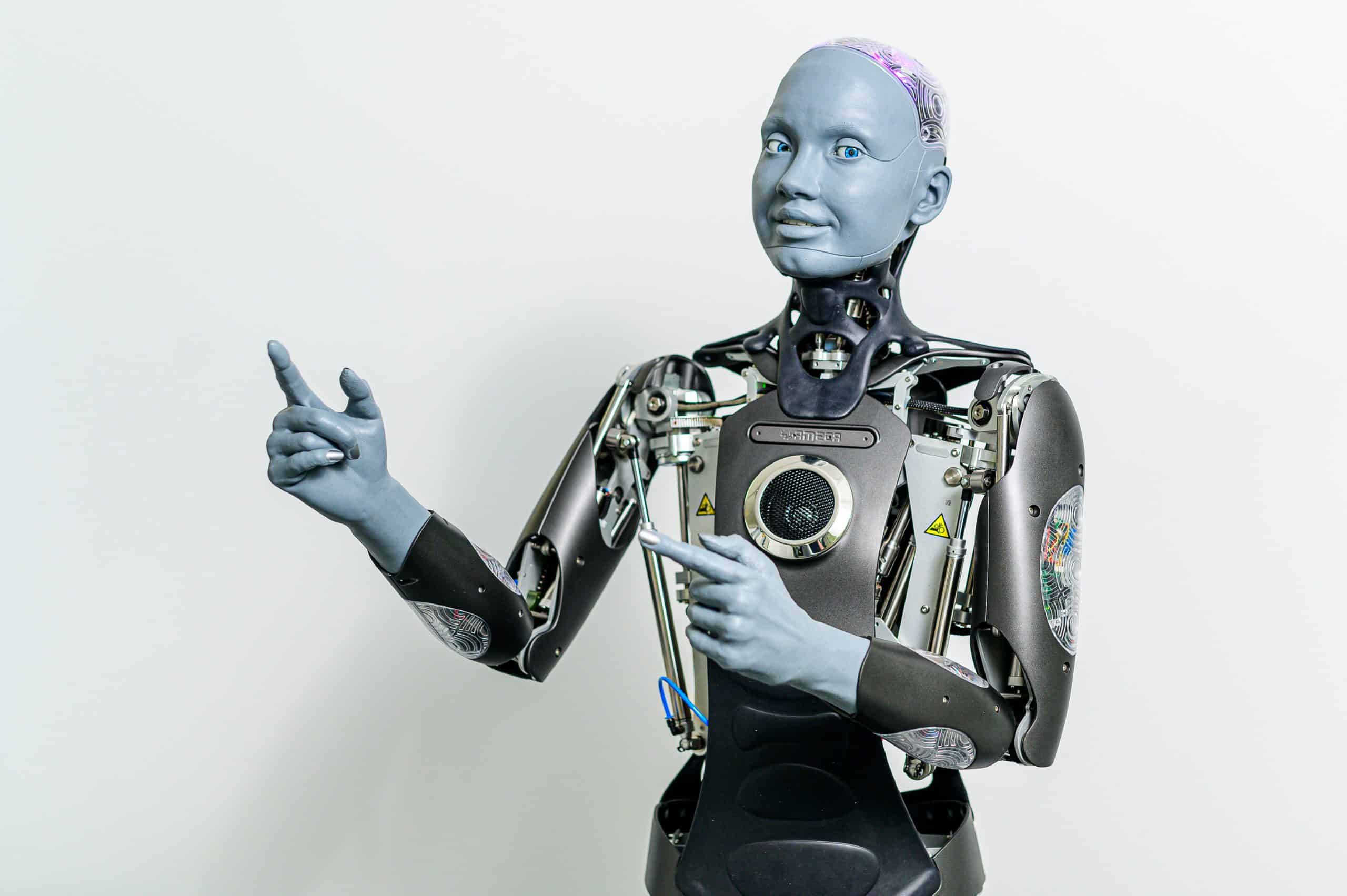

Humanoid robotics represents the captivating intersection of technology and human-like functionality, drawing increasing attention as companies like Tether invest significantly in the sector. Recently, Tether announced its strategic funding of €70 million (US$81 million) in Generative Bionics, a move set to accelerate advancements in the development of humanoid robots integrated with cutting-edge artificial intelligence. This investment not only aims to finalize industrial testing but also to establish production facilities ahead of exciting deployments targeted for CES 2026. By branding their machines as “Physical AI” systems, Generative Bionics envisions a future where interactions with humanoid robotics significantly enhance human capabilities. As the landscape of AI robotics continues to evolve, Tether’s involvement signifies a promising direction towards sophisticated humanoid innovations.
The realm of anthropomorphic automatons is rapidly evolving, as companies explore the potential of advanced machines that mimic human behaviors and appearances. In this fascinating domain, Tether’s robust investment strategy aligns with the surge of interest in generative technologies that empower artificial intelligence within these robotic frameworks. By channeling resources into Generative Bionics, Tether aims to refine an innovative approach to creating physical systems that enhance human life, paving the way for groundbreaking introductions at major technology expos, such as CES 2026. This engagement not only marks a significant step in the advancement of robotic intelligence but also heralds new possibilities for how humans will interact with AI-driven companions in the near future. As investors rally around this vision, the merging of human-like robots with sophisticated AI exemplifies a remarkable frontier in today’s technological landscape.
The Rise of Humanoid Robotics: Tether’s Strategic Investment
In the rapidly evolving landscape of humanoid robotics, Tether has positioned itself ahead of the curve by investing in Generative Bionics. With a significant €70 million funding round, Tether aims to bolster its endeavors in AI robotics, specifically within the realm of Physical AI. This strategic investment not only underscores Tether’s commitment to innovation but also highlights the increasing interplay between finance and technology in shaping future industrial landscapes.
Tether’s CEO, Paolo Ardoino, emphasizes that this move is part of a broader vision to finance hardware and infrastructure beyond their traditional stablecoin operations. As humanoid robots become increasingly sophisticated, this investment could lead to groundbreaking advancements in how these machines interface with human users, ultimately paving the way for seamless integrations of technology into everyday life.
Generative Bionics: Leading the Charge in AI-Powered Robotics
Generative Bionics is at the forefront of transforming humanoid robotics by focusing on integrating artificial intelligence into their systems. As they gear up for the unveiling of their first humanoid robot at CES 2026, this company aims to revolutionize human interaction with machines through their innovative Physical AI framework. By harnessing advanced generative design and robotics technologies, Generative Bionics is poised to create robots that not only replicate human actions but also enhance cognitive and physical capabilities.
The funding round led by Tether, alongside prominent players like AMD Ventures and Eni Next, signifies an influential shift in the robotics sector. As the race to innovate in AI robotics accelerates, Generative Bionics is setting a benchmark for other companies in the industry, demonstrating that the integration of generative design principles can yield robots that are more adaptive, efficient, and responsive to human needs.
The Road to CES 2026: Anticipations and Innovations
As CES 2026 approaches, the excitement surrounding Generative Bionics’ humanoid robot debut is palpable within the tech community. This event will serve as a critical platform for showcasing the next generation of humanoid robotics that embrace the concept of Physical AI. With numerous advancements in machine learning and robotics, the anticipation of encountering a humanoid robot that can perform tasks alongside humans is significant, marking a leap forward in robotics deployed for both personal and industrial use.
The showcasing at CES 2026 will not only demonstrate the product’s capabilities but also reflect the growing investments in AI robotics by major financial institutions. Tether’s investment, coupled with others from the Artificial Intelligence Fund and RoboIT, indicates a robust belief in the market potential of humanoid robotics. As these machines become integrated into daily tasks, the implications for economic productivity and societal interaction will be profound.
Humanoid Robots and Their Role in Daily Life
The introduction of humanoid robots designed by Generative Bionics promises to reshape everyday human experiences. With a focus on enhancing both cognitive and physical tasks, their Physical AI systems aim to assist in various sectors, potentially from healthcare to personal companionship. These robots are being crafted to not only perform routine tasks but also to adapt and learn from their environments, making them essential tools in our day-to-day lives.
Moreover, as companies like Tether continue to invest in such pioneering technologies, we can expect an increase in public trust and acceptance of humanoid robots. The implications extend beyond mere automation; they also involve redefining how humans interact with machines, leading to collaborative co-working environments that were once the stuff of science fiction. This shift could greatly improve efficiency in workplaces while providing emotional and physical support in personal settings.
Investing in the Future: Tether’s Vision for Robotics and AI
Tether’s investment strategy reflects a deep commitment to the future of robotics and AI technologies. By channeling funds into Generative Bionics, Tether seeks to be a driving force in the development of humanoid robots that are not only functional but also intelligent. This commitment highlights the importance of investing in infrastructure and hardware that will sustain a more technologically advanced global economy.
The strategic allocation of resources towards innovative firms like Generative Bionics indicates Tether’s confidence in the trajectory of AI robotics. With an increasing demand for smart automation solutions, Tether’s role as an investor will likely play a crucial part in advancing the capabilities of humanoid robots, ensuring that they are equipped to meet the diverse requirements of tomorrow’s society.
Collaborative Innovations in AI Robotics
The collaborative efforts among investors in the Generative Bionics funding round pave the way for unparalleled innovations in AI robotics. Companies such as AMD Ventures and Eni Next, alongside Tether, recognize the potential of humanoid robotics to impact various sectors profoundly. By pooling resources and expertise, these investments aim to accelerate the development of robust humanoid robots that can enhance human productivity.
Through collaboration, the budding field of humanoid robotics is likely to see breakthroughs that address current limitations within AI systems. This collective approach promotes an environment where shared knowledge can catalyze advancements, ensuring that the development of Physical AI solutions complements human capabilities rather than replacing them, thereby fostering a harmonious relationship between technology and society.
The Potential Impact of Generative Bionics’ Robots
As Generative Bionics prepares to introduce their humanoid robots, the potential impacts are vast and multifaceted. These robots could transform various sectors, from elderly care to interactive learning environments, by serving as both assistants and companions. By leveraging advanced machine learning techniques, these robots are intended to understand and respond to their human counterparts more effectively, fostering deeper emotional connections.
The ramifications of deploying such technologies extend to potential shifts in workforce dynamics. As humanoid robots take on tasks ranging from mundane chores to more complex responsibilities, their design aims to augment human work rather than replace it. This nuanced approach in the development of Generative Bionics’ physical AI systems indicates a future where collaboration with humanoid robots enriches everyday life, thus enhancing human performance both personally and professionally.
Financial Support and Growth in Robotics Innovations
The robust financial support behind Generative Bionics highlights a burgeoning growth trajectory for robotics innovations. With significant contributions from Tether and other investors, the momentum gained through this funding round signifies a collective belief in the industry’s future. Such investments not only fuel research and development but also catalyze job creation within the tech sector, reinforcing the broader economic landscape.
As the robotics sector gains traction, the financial backing from players like the Artificial Intelligence Fund of CDP Venture Capital can lead to innovative breakthroughs that were previously unimaginable. These investments can provide startups with the capital needed for technological exploration, inevitably propelling advancements in humanoid robotics and AI that shape how industries operate and individuals live.
The Future of Physical AI in Everyday Technology
Looking ahead, the integration of Physical AI in everyday technology will redefine user experience across various platforms. Generative Bionics aims to create humanoid robots that are not only responsive but also intuitively understand human emotions and needs. This evolution of AI robotics represents a critical step towards smarter, more adaptive technologies that enhance quality of life.
The potential for humanoid robots equipped with advanced artificial intelligence extends beyond mere assistance. They could revolutionize sectors such as customer service, healthcare, and education by providing personalized interactions that elevate service standards. The continued investment in this area reflects a profound shift in how society perceives the role of technology, emphasizing companionship and support alongside functionality.
Frequently Asked Questions
What is the role of Tether in humanoid robotics investment?
Tether has recently made a significant move in humanoid robotics by investing in Generative Bionics. This investment of €70 million (approx. US$81 million) is geared towards advancing research and production in the humanoid robotics field, particularly in developing physical AI systems.
How does Generative Bionics integrate AI with humanoid robotics?
Generative Bionics is focused on merging artificial intelligence with humanoid robotics to create what they term ‘Physical AI’ systems. This integration aims to enhance human capabilities through improved interactions with intelligent robots.
What advancements can we expect from humanoid robots at CES 2026?
At CES 2026, Generative Bionics is set to debut its first complete humanoid robot, showcasing remarkable advancements in humanoid robotics and AI technology. This event will spotlight innovations that transform human-robot interactions.
What is ‘Physical AI’ in the context of humanoid robotics?
‘Physical AI’ refers to the integration of artificial intelligence within humanoid robots, allowing them to perform physical tasks and interact intelligently with humans. Generative Bionics is pioneering this approach, enhancing cognitive and physical abilities.
Who are the key investors in Generative Bionics and what is their relevance to humanoid robotics?
Key investors in Generative Bionics include the Artificial Intelligence Fund of CDP Venture Capital, AMD Ventures, and others. Their involvement underscores a strong market interest in the future of humanoid robotics, particularly with the advancement of AI technologies.
Why is the investment in humanoid robotics significant for the industry?
The €70 million investment in Generative Bionics represents a pivotal moment for the humanoid robotics industry, as it promotes the development of innovative technologies and production capabilities, paving the way for advanced applications in physical AI.
What is the expected timeline for humanoid robots to enter production?
Generative Bionics aims to finalize industrial testing and establish a production facility by 2026, with plans to deploy their innovative humanoid robots shortly thereafter.
| Key Points |
|---|
| Tether’s investment in Generative Bionics of €70 million (US$81 million) |
| Funding intended for industrial testing and production facility setup by 2026 |
| Generative Bionics focuses on integrating AI with humanoid robotics, branding them as “Physical AI” |
| Investment aligns with Tether’s strategy to finance hardware and infrastructure projects |
| Prominent investors include CDP Venture Capital, AMD Ventures, Duferco, Eni Next, and RoboIT |
| The first complete humanoid robot will be unveiled at CES 2026 in Las Vegas |
| Goal to transform human interactions with intelligent humanoid robots, enhancing cognitive and physical abilities |
Summary
Humanoid robotics is rapidly evolving, particularly with Tether’s significant investment in Generative Bionics. This funding not only supports the development and testing of humanoid robots but also aligns with a broader strategy to integrate advanced AI technologies into these systems. By unveiling their first humanoid robot at CES 2026, Generative Bionics aims to enhance daily human-robot interactions and improve human capabilities, showcasing the immense potential of humanoid robotics in shaping the future.
Related: More from Ethereum News | Vitalik Buterin Shares Vision for Ethereum Scaling Solution | Tether Freezes Over $4B Linked to Crime in Three Years in Ethereum