


In the dynamic world of cryptocurrencies, market trends often create ripples (no pun intended) that affect various digital assets differently. Recently, XRP holders have found themselves caught in the throes of Bitcoin’s liquidity crunch. This article explores the underlying reasons for this and the implications it has on XRP and its investors.

Key Takeaways
Understanding Bitcoin’s Liquidity Crunch
Before diving into XRP’s scenario, it’s crucial to understand what’s meant by Bitcoin’s liquidity crunch. Liquidity, in financial terms, refers to how easily assets can be bought or sold in the market without affecting their price. A liquidity crunch occurs when there’s a shortage of cash in the system or when assets cannot be sold quickly enough to meet short-term financial demands. For Bitcoin, this crunch can stem from several factors including:
- Large Withdrawals: Big players or “whales” might decide to withdraw their funds from exchanges, either to hold them in private wallets (a practice known as self-custody) or to sell off parts of their holdings for fiat currency or other investments.
- Regulatory Concerns: Global regulatory crackdowns or uncertainties can prompt investors to liquidate their holdings, leading to higher volatility and tighter liquidity.
- Market Sentiments: Negative news cycles or market sentiment, such as fears over economic downturns, can lead to increased selling activity, where the sell orders significantly exceed the buy orders, tightening liquidity.
The XRP Connection
XRP, unlike Bitcoin, is primarily known for its utility in facilitating cross-border payments and transactions. It’s managed by Ripple and is used in various payment networks, which require liquidity for smooth operation. So, why are XRP holders suddenly feeling the pinch from Bitcoin’s liquidity issues?
1. Market Interdependence
Cryptocurrencies, despite their unique use-cases or structures, often exhibit a high degree of correlation with Bitcoin, primarily because Bitcoin is seen as the flagship or ‘reserve currency’ of the crypto world. When Bitcoin is facing a liquidity crunch, it usually leads to less trading volume and decreased overall liquidity across all cryptocurrencies, including XRP. This interdependence can result in more significant price volatility for XRP, affecting its holders.
2. Exchange Reserves
Reserves in cryptocurrency exchanges play a vital role in managing liquidity. When Bitcoin faces a liquidity shortage, many traders might move their assets, including XRP, to off-exchange wallets, further straining the liquidity on these platforms. This affects all users, including those holding or trading XRP.
3. Investor Behavior
In times of uncertainty, investors often revert to what they perceive as ‘safer’ assets. While cryptocurrencies, in general, may carry similar risks, the networks and assets most directly linked to Bitcoin can experience direct impacts from its liquidity fluctuations. As investors liquidate positions in an uncertain market, altcoins, including XRP, can suffer.
Implications for XRP Holders
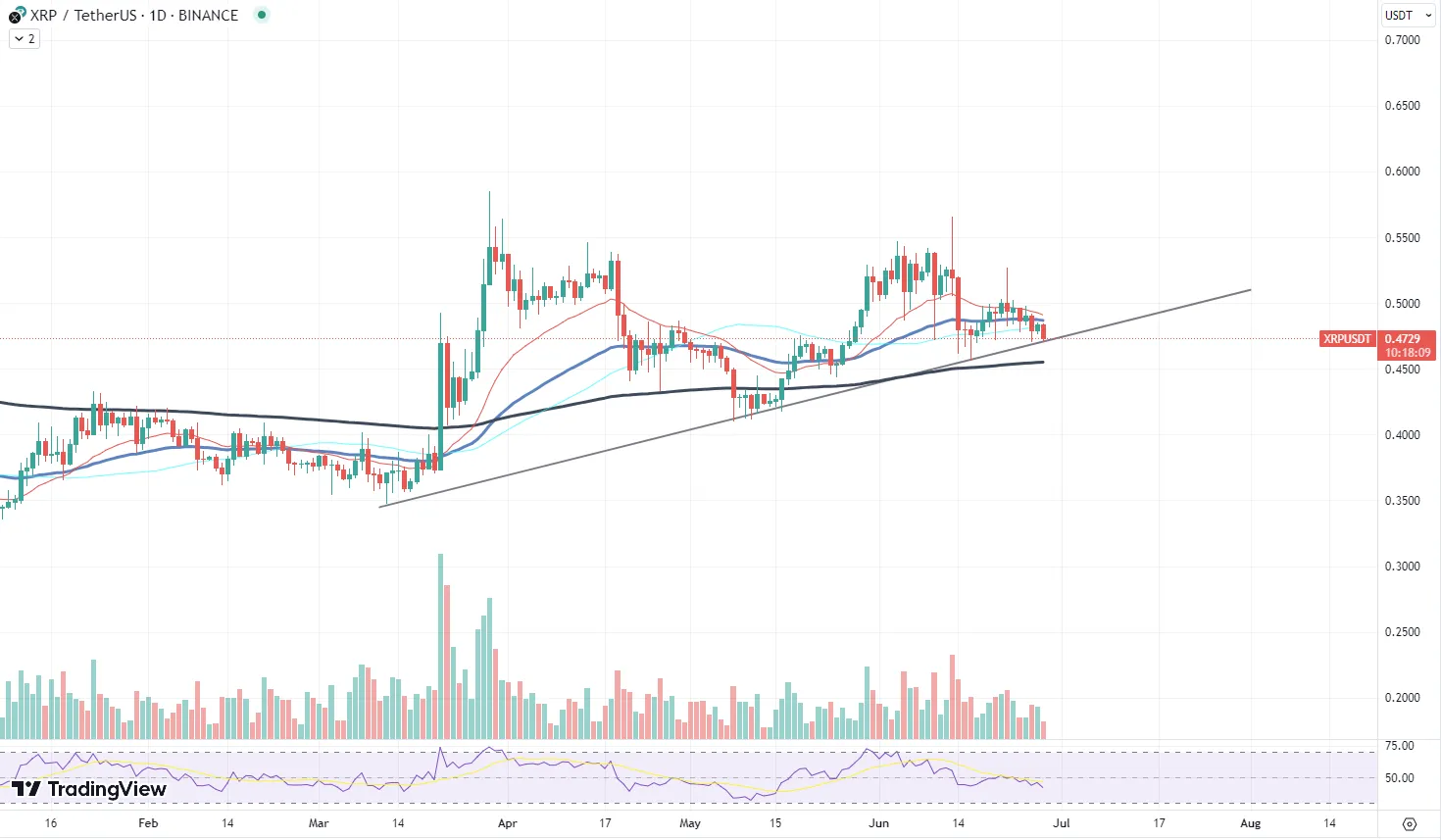
XRP holders are likely experiencing increased volatility, potential delays in transaction executions, and possibly wider spreads in price quotes. For those looking to trade or liquidate their holdings, these factors can result in less favorable rates and increased costs.
Moving Forward
For XRP holders, understanding the broader market dynamics remains crucial. Strategies such as diversifying investment, maintaining a balance between on-exchange and off-exchange holdings, and staying informed about market and regulatory developments can help mitigate some of these challenges. Additionally, tracing the developments of Ripple’s ongoing legal and regulatory challenges is paramount, as these could also significantly affect XRP’s liquidity and holder sentiment.
In conclusion, while the full force of Bitcoin’s liquidity crunch bears down on the market, XRP holders, like many other participants in the crypto-sphere, find themselves navigating through a choppy financial landscape. Successful navigation will require a keen understanding of market dynamics, regulatory environments, and the interconnectivity of different crypto assets.