

How Japan Is Quietly Setting the Stage for a Market Meltdown
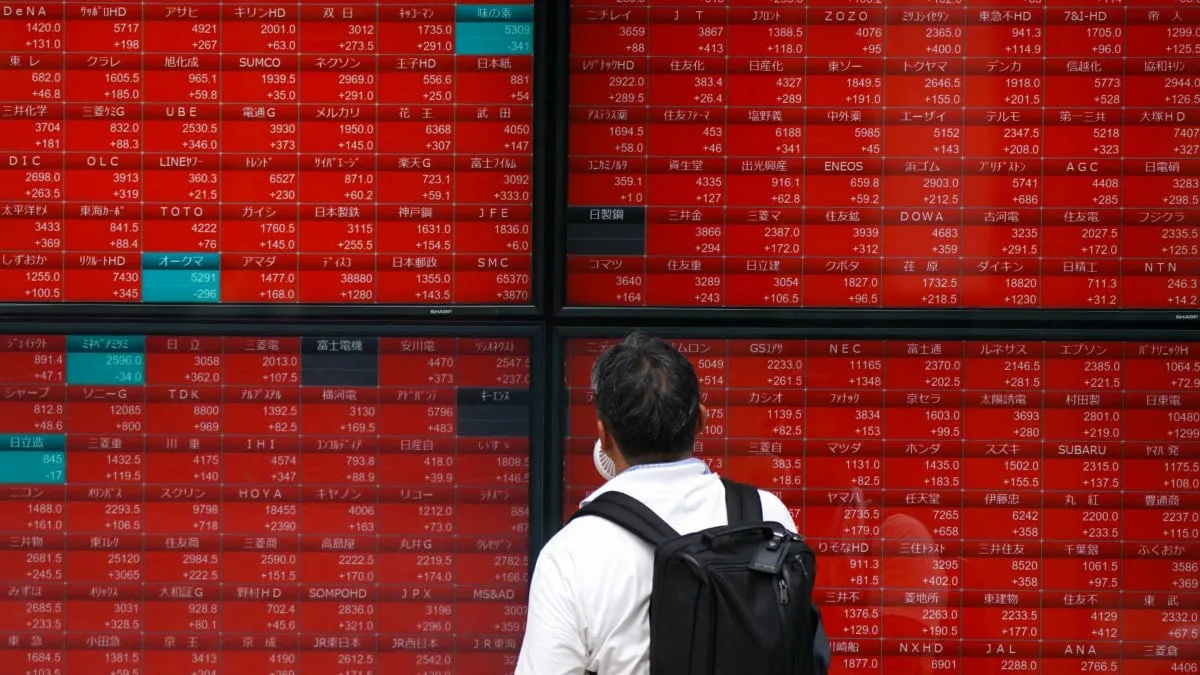
In the global financial landscape, Japan has long been seen as a stalwart of stability and economic resilience. However, beneath this facade of steadiness, a series of subtle and cumulative factors are aligning that could potentially precipitate a significant market meltdown. This article delves into the intricate interplay of economic policies, demographic challenges, and burgeoning debt levels that could undermine Japan’s financial markets.

Unprecedented Monetary Policy and Its Repercussions
The Bank of Japan (BoJ) has been a frontrunner in deploying aggressive monetary policies, including prolonged periods of negative interest rates and extensive quantitative easing. Initially instituted to combat deflation and stimulate economic growth, these policies have now lingered for over a decade, leading to several unintended consequences. While they have helped maintain low borrowing costs and supported asset prices, they have also spurred speculative investments and inflated asset bubbles.
The distortion in asset values is particularly evident in the real estate and stock markets, where valuations have soared beyond fundamental earnings metrics. This mispricing of risk can create vulnerabilities, as seen in past financial crises when the correction phase led to dramatic drops in asset prices.
The Debt Dilemma
Japan’s public debt is another ticking time bomb. As one of the highest in the developed world, Japanese government debt exceeds 250% of its GDP. This massive debt burden raises significant concerns about the sustainability of public finances, especially in a scenario of rising interest rates. An increase in interest rates could drastically raise the cost of servicing this debt, potentially leading to a fiscal crisis.
Investors, both domestic and international, may start losing confidence in Japan’s fiscal health, leading to capital flight and a sharp sell-off in the bond markets, which in turn could send shockwaves through the global financial system.
Demographic Challenges
Japan’s demographic profile complicates these economic challenges further. With one of the world’s fastest aging populations, the country faces a shrinking workforce and increasing dependency ratios. The demographic decline not only impacts labor market dynamics but also places additional strain on social security systems and economic productivity.
This demographic shift could reduce domestic consumption and investment, crucial drivers of economic growth. Additionally, the decreasing population could lead to a diminishing investor base for Japanese government bonds, traditionally a safe asset dominated by domestic buyers. This scenario could undermine one of the key pillars supporting Japan’s debt sustainability.
Corporate Governance and Productivity Issues
Corporate Japan has often been criticized for its inefficiencies and lack of innovation, partly due to longstanding corporate governance issues. Many Japanese companies are characterized by cross-shareholding structures that reduce shareholders’ influence and promote company management’s interests, often at the expense of company performance and investor returns.
In an era where innovation and efficiency are paramount, Japan’s slower pace in adapting to new technologies and business practices could impede its economic growth, making its markets less attractive to both domestic and international investors.
Conclusion
While the likelihood of a market meltdown is never certain, these risk factors suggest that Japan’s financial markets are on shaky ground. The cumulative effect of ultraloose monetary policy, escalating public debt, demographic headwinds, and corporate governance issues could potentially trigger a financial crisis.
Investors and policymakers must remain vigilant and may need to consider strategic adjustments to mitigate these risks. For Japan, structural reforms and careful fiscal management will be crucial in navigating these turbulent financial waters and averting a possible market meltdown. As global observers watch these developments unfold, the stability of one of the world’s largest economies hangs in a delicate balance.