


Why Did Bitcoin Price Fall Below $100K Again, and What’s Next?
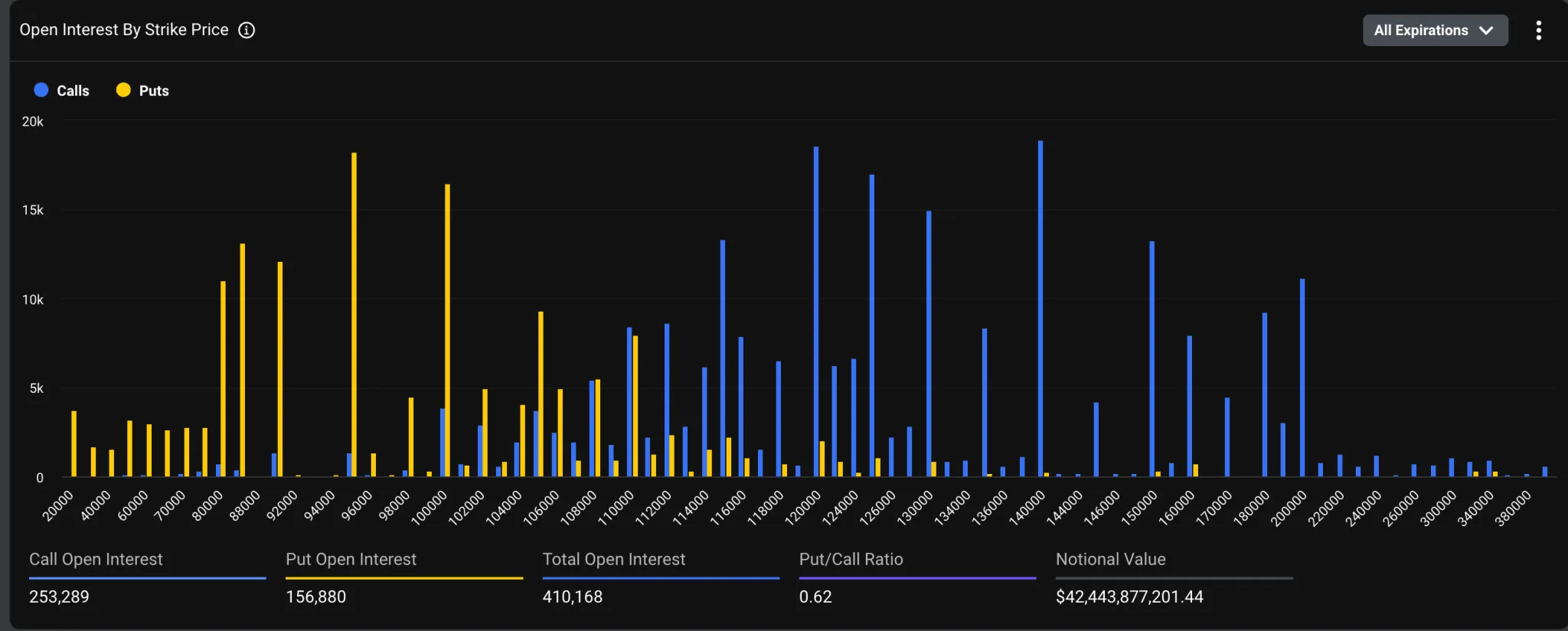
The cryptocurrency market is no stranger to volatility, with Bitcoin often at the center of dramatic price fluctuations. In a recent turn of events, Bitcoin’s value dipped below the $100,000 mark, an event that caught both long-time investors and market analysts by surprise. This article explores the complex factors that contributed to this sudden price drop and discusses potential future scenarios for the world’s first decentralized cryptocurrency.

Factors Leading to the Price Drop
-
Regulatory Concerns:
Over the years, regulatory news has had substantial impacts on cryptocurrency prices. Recently, there have been rumors of stricter regulations coming from major economies. Countries like the United States, China, and members of the European Union have hinted at implementing more stringent controls on cryptocurrency transactions, which might be aimed at combating money laundering and protecting investors from excessive risk. These potential regulations have likely led to market insecurity and contributed significantly to the sell-off. -
Technical Resistance Levels:
Bitcoin’s journey towards $100,000 was met with several technical resistance levels that many traders and algorithmic trading systems heavily rely on. After hitting these predetermined points, selling often intensifies as traders take profits, leading to a sharp decline in price. -
Market Speculation and Sentiment:
The crypto market is heavily influenced by sentiment and speculative trading. As Bitcoin approached the $100,000 mark, a psychological selling point may have triggered fear of a potential bubble among investors, leading them to sell off their holdings to capture gains. This rush to sell can exacerbate the price drop, as seen recently. - Macro-Economic Factors:
Macro-economic factors such as inflation rates, economic downturns, and changes in monetary policies in major economies can also affect Bitcoin’s price. The U.S. Federal Reserve’s stance on interest rates and monetary tightening influences investor’s risk appetite, pulling them away from assets like Bitcoin, perceived as riskier.
What’s Next for Bitcoin?
Looking into the future, several scenarios could unfold for Bitcoin. Here are some possibilities:
-
Adoption Growth:
If Bitcoin continues to gain acceptance as a legitimate form of payment and a store of value, this could counteract negative sentiment. More companies and financial institutions adopting Bitcoin can provide a more stable demand base and potentially drive prices up. -
Technological Advancements:
Innovations like the further development of the Lightning Network, which enables faster and cheaper Bitcoin transactions, could enhance Bitcoin’s utility and appeal, supporting a long-term increase in value. -
Impact of Halving Events:
Bitcoin undergoes a ‘halving’ approximately every four years, a process that reduces the reward for mining new blocks. The next halving is due in 2024, which may tighten supply and lead to price increases if demand remains strong. - Ongoing Market Volatility:
Given Bitcoin’s history, volatility is expected to continue. Investors should be prepared for ups and downs caused by various factors ranging from global economic changes to shifts in investor behavior and technological updates.
Conclusion
The slip below $100,000 highlights the inherent volatility and unpredictability of Bitcoin. While downturns like this can be alarming, they also offer opportunities for reassessment and reflection on the broader cryptocurrency landscape. Investors considering entry or further investment in Bitcoin during such times should closely monitor market trends, remain aware of global economic signals, and possibly diversify their investment to manage risk effectively.
As with any investment, especially one as young and volatile as Bitcoin, potential investors should conduct thorough research and consider consulting with financial experts before making significant investment decisions. The future of Bitcoin remains as uncertain as ever, but with uncertainty comes the potential for significant reward—or significant risk.