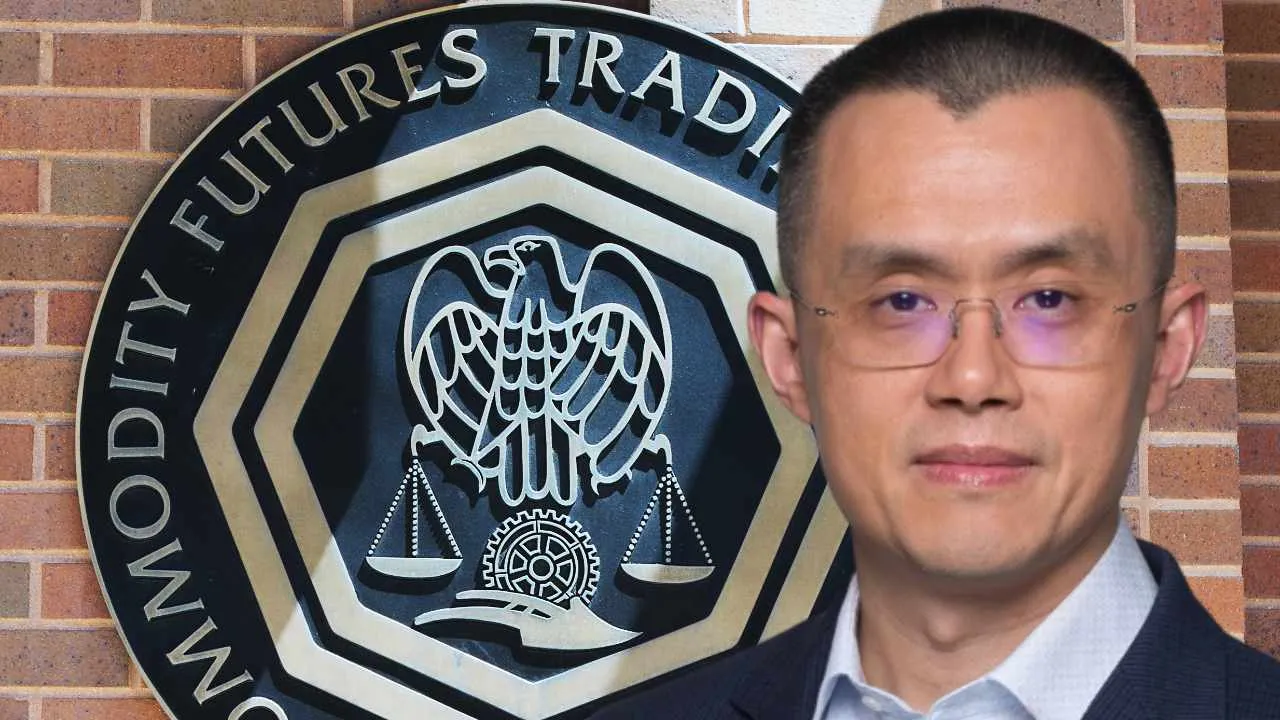

In the constantly evolving landscape of the cryptocurrency markets, Binance stands out not only as the world’s largest cryptocurrency exchange by trading volume but also as a focal point of regulatory scrutiny. Recently, a top CEO from a competing exchange made headlines by asserting that Binance is controlled by the United States. This controversial statement has sparked discussions and debates within the crypto community about the implications of such influence, regulatory compliance, and the autonomy of global crypto exchanges.

Background
Binance, founded by Changpeng Zhao, commonly known as “CZ”, has been a dominant player in the cryptocurrency space since its inception in 2017. Despite being praised for its extensive range of services and its innovative trading platform, Binance has faced its share of regulatory challenges and scrutiny across various countries, including the U.S. This scrutiny has especially intensified as countries around the world are starting to implement more stringent regulations on cryptocurrency operations.
Assertion of U.S. Control
The statement from the top CEO alleging U.S. control over Binance raises significant questions about the dynamics between large cryptocurrency exchanges and national governments. The CEO argued that Binance’s efforts to comply with U.S. regulations and its engagement with U.S. regulatory bodies indicate a level of influence or control that exceeds normal regulatory compliance. They pointed out that Binance’s strategic decisions and operational adjustments to align with U.S. regulations could suggest that U.S. regulatory bodies have considerable leverage over the exchange.
Reasons for Possible U.S. Influence
-
Regulatory Compliance: Binance has been proactive in its attempts to comply with U.S. regulations, which include stringent measures to prevent money laundering and ensure user security. The exchange launched Binance.US, a separate platform managed by BAM Trading Services, which is tailored to comply with U.S. regulations. This move might be seen as bowing to U.S. regulatory pressures or as a strategic decision to penetrate the large U.S. market while isolating regulatory risks from its global operations.
-
Geopolitical Considerations: The geopolitical stance of the U.S. as a major power in global finance means that its policies and decisions can have far-reaching effects on international companies, including those in the crypto sector. By aligning more closely with U.S. regulations, Binance may seek to mitigate political and financial risks associated with non-compliance.
- Market Strategy: The U.S. is one of the largest markets for cryptocurrencies, with a vast investor base and high transaction volumes. For Binance, maintaining a favorable relationship with U.S. regulators can be seen as essential for tapping into this lucrative market and enhancing its global standing.
Implications of U.S. Control
The assertion that Binance is under U.S. control has multiple implications:
- Perception of Influence: Whether true or not, the perception that Binance could be influenced or controlled by U.S. authorities could affect the trust of its users, particularly those wary of U.S. surveillance and data privacy practices.
- Market Dynamics and Competition: Such assertions might impact the competitive landscape of global cryptocurrency exchanges. Competitors might use this narrative to highlight their own autonomy or to attract users looking for alternatives perceived as less influenced by U.S. interests.
- Regulatory Framework: The discussion also touches on larger questions concerning the international regulatory framework governing cryptocurrencies and whether disproportionate control by any single nation could stifle the industry’s global nature.
Conclusion
The claim that Binance is controlled by the U.S. reflects broader concerns about the intersection of international business, national regulatory environments, and the autonomy of global entities operating within them. While concrete evidence of control has not been presented, the ongoing debates are likely to influence perceptions of Binance and potentially its operational strategies. As countries around the world continue to evolve their regulatory frameworks for cryptocurrencies, the balance between compliance and independence remains a critical narrative in the crypto ecosystem.