



Headline: Fed Signals Temper Market Optimism as December Cut Bets Fade

Key Takeaways
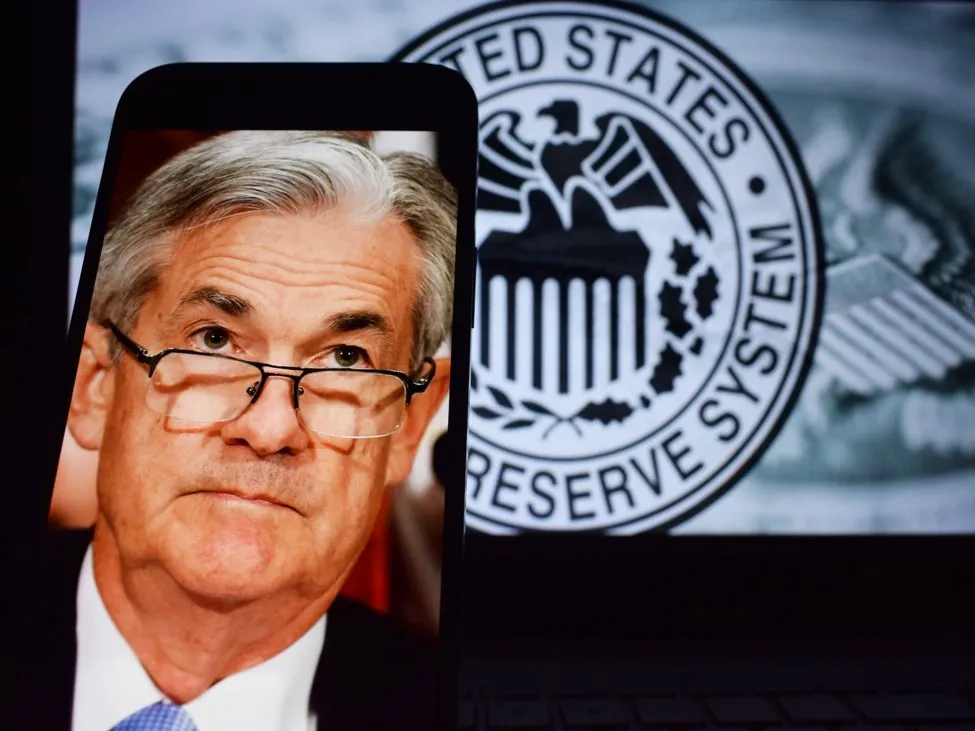
Introduction: Investor sentiment cooled after Federal Reserve Chair Jerome Powell emphasized that a December interest rate cut is unlikely, prompting a swift reassessment across risk assets. Equities have since slipped as markets recalibrate for a slower easing path, raising questions about how far financial conditions can tighten without denting growth.
Following Powell’s remarks, traders moved to price out near-term rate cuts, a hawkish repricing that typically weighs on stocks—especially when valuations are elevated. The pullback underscores the delicate balance the Fed must strike: keep inflation progress intact without allowing tighter financial conditions to tip the economy toward recession.
Paradoxically, the latest equity selloff has nudged expectations for total easing by the end of 2026 slightly higher. The logic is straightforward—sustained market weakness can erode confidence, curb spending, and slow hiring, ultimately compelling more aggressive rate cuts later. In a K-shaped economy, where higher-income households and financial markets drive a disproportionate share of activity, stock performance carries outsized weight for growth and sentiment.
With the December policy meeting set to deliver fresh economic projections, the Fed may opt for a “dovish hold”—keeping rates steady while signaling a softer path ahead. An increase in projected 2026 cuts—from one to two or even three—would telegraph a more accommodative long-term stance. That could help stabilize risk appetite, suggesting downside for equities may be limited and setting the stage for a potential rebound if guidance eases investor concerns.
Key Points: – Powell’s comments reduced the likelihood of a December rate cut, triggering a hawkish repricing. – Equity markets have drifted lower as investors reassess the timing and scale of Fed easing. – Persistent stock market weakness could tighten financial conditions and weigh on growth. – Markets now see slightly more total easing by end-2026, reflecting risks from weaker sentiment. – The Fed may deliver a “dovish hold” in December with more cuts penciled in for 2026. – Improved guidance could cap downside risk and support a near-term recovery in risk assets.