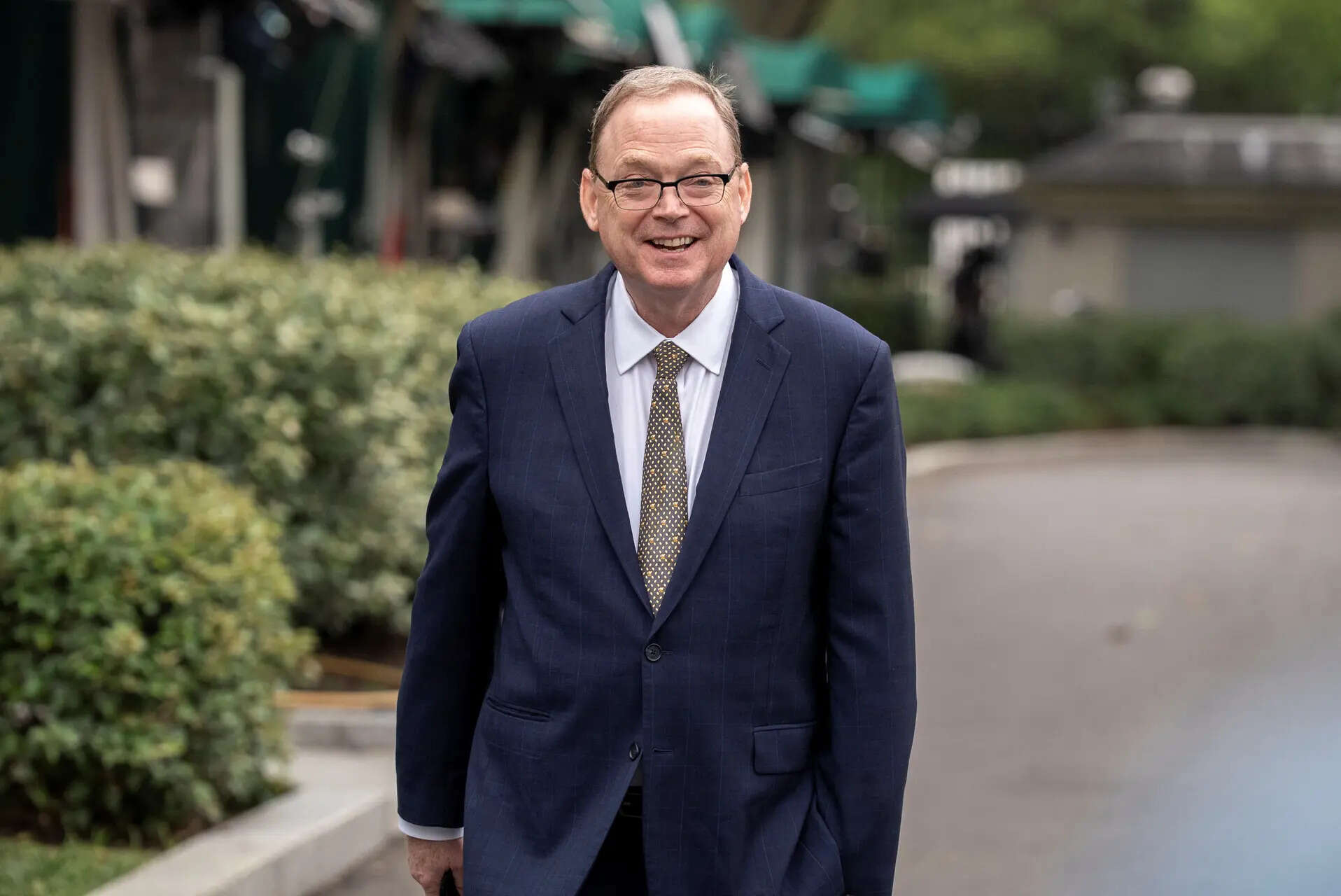

In the world of finance, the recent buzz surrounding the Hassett Federal Reserve has captured the attention of both investors and policymakers alike. As speculation mounts about potential interest rate cuts, bond market analysts are increasingly concerned that economic decisions may veer into politically motivated territory. Reports indicate that investors in the bond market have already voiced their apprehensions to Treasury Secretary Mnuchin about Hassett’s influence over monetary policy, particularly in the context of the Trump administration’s broader economic strategy. With whispers of an impending decision regarding Hassett’s role as Federal Reserve Chairman, the stakes couldn’t be higher for those closely monitoring Federal Reserve news. As discussions intensify, the impact of these developments on interest rates and overall economic stability remains a key focus for market participants.
The imminent appointment of Hassett as the head of the U.S. central banking system is stirring a mix of concern and speculation within financial circles. Many analysts within the financial sector are raising alarms regarding potential adjustments to interest rates and the overall direction of fiscal policy under his leadership. The bond market, a crucial aspect of the economy, is particularly reactive to these changes, leading to heightened scrutiny from legislators and economic advisors alike. With Treasury Secretary Mnuchin also weighing in on these matters, the interconnections between the Federal Reserve and the Trump administration’s objectives are increasingly evident. As the financial community awaits further announcements, the dynamics of monetary policy and its implications for economic growth remain a pivotal topic of discussion.
Hassett’s Potential Impact on Interest Rates
The bond market is currently facing uncertainty regarding the implications of Kevin Hassett’s potential appointment as Federal Reserve Chairman. Investors are worried that his inclination towards lowering interest rates could align with President Trump’s economic strategies. Analysts have indicated that if Hassett were to be appointed, it might lead to increased volatility in the bond market as investors react to potential changes in policy that prioritize political incentives over economic stability. This concern is compounded for Treasury Secretary Steven Mnuchin, who has been cautioned by bond investors regarding the importance of maintaining interest rates at a level that supports market confidence.
Lowering interest rates can stimulate economic activity by making borrowing cheaper, but it also risks overriding the natural market corrections that are fundamental for long-term growth. The bond market’s response is critical, as fluctuations in interest rates can lead to significant shifts in investment strategies. If Hassett aligns closely with Trump’s agenda, the Federal Reserve may adopt a more accommodative monetary policy, triggering warnings from investors about inflation risks and bond market stability.
Concerns from Bond Investors and the Treasury Department
In light of the recent reports by Odaily Planet Daily, bond investors have expressed serious concerns about the direction of monetary policy under Hassett’s potential leadership at the Federal Reserve. Investors are particularly vocal about the risk that Hassett may implement rate cuts to please the Trump administration, which could undermine the integrity of the Federal Reserve’s independence. Throughout recent months, the Treasury, headed by Secretary Mnuchin, has actively sought input from financial institutions, highlighting the tension between government influence and the Federal Reserve’s role in setting interest rates that reflect economic realities.
As the cabinet deliberates over appointments and policy directions, the warnings from bond investors are clear: any moves perceived as politically motivated could lead to a lack of trust in monetary policy. This would not only impact the bond market but could also elevate uncertainty in capital markets, prompting stakeholders to reassess their investment strategies. The balancing act for Mnuchin and the Treasury is to navigate these concerns while maintaining a healthy dialogue with the Federal Reserve.
Trump Administration’s Influence on Federal Reserve Decisions
The Trump administration’s influence on economic policy is increasingly under scrutiny, particularly amidst discussions around Hassett’s potential nomination as chairman of the Federal Reserve. Historically, the independence of the Fed has been critical in ensuring that monetary policy is crafted based on economic data rather than political pressures. However, as President Trump publicly expresses support for rate cuts, concerns grow about the potential for political considerations to dictate Fed actions, which may detract from its mandate to manage inflation and support economic growth.
Critics argue that the administration’s focus on short-term economic wins could sacrifice the long-term health of the economy. If Hassett aligns too closely with Trump’s interests, we may see the Federal Reserve taking actions that prioritize political expediency over market fundamentals. Such a shift could lead to more dramatic fluctuations in interest rates and ultimately create instability within the broader financial system.
The Role of Treasury Secretary Mnuchin in Economic Policy
As Treasury Secretary, Steven Mnuchin plays a pivotal role in shaping U.S. economic policy alongside the Federal Reserve. With the approaching appointment candidacy of Hassett for the Federal Reserve Chairman, Mnuchin’s interactions with the bond market are more critical than ever. The Treasury’s responsibility to monitor fiscal policy ensures that the administration’s economic agenda is met, yet it must also remain vigilant to the signals from bond investors who are wary of interest rate cuts driven by political motives.
Mnuchin recently sought feedback from financial markets reflecting the administration’s desire to balance stimulating economic growth while maintaining market confidence. This balancing act highlights the complexities faced by Treasury officials—especially as they work to ensure that any monetary policy decisions made by the Federal Reserve remain rooted in sound economic principles rather than political aspirations, particularly those emanating from the White House.
Navigating Investor Sentiment Amid Policy Changes
The speculation surrounding Hassett’s potential role as Federal Reserve Chairman has elicited varied responses from investors, particularly in the bond market. As economic conditions fluctuate, investor sentiment can shift rapidly based on perceived changes in federal policy. The apprehension over potential interest rate reductions might lead to increased volatility, driving investors to reconsider their strategies in anticipation of government action that reflects President Trump’s pressure on the Fed.
Navigating investor sentiment during this period is crucial for all financial market stakeholders. Investors are likely employing caution as they analyze developments coming from the administration and the Federal Reserve. As the marketplace reacts to news of Hassett’s anticipated nomination, with Mnuchin orchestrating feedback from the bond sector, the dynamic ebb and flow of market reactions will be crucial in shaping future investment objectives.
Market Reactions to Federal Reserve News
The ongoing dialogue regarding Hassett’s candidacy and potential impact on the Federal Reserve has drawn attention from market analysts tracking bond market behavior. Federal Reserve news indicating possible changes in leadership often results in immediate market reactions, including price shifts in bonds and equities. Investors keenly scrutinize such reports for hints about future interest rate policies and whether they align with broader economic predictions.
As speculation grows, the possibility of altered monetary policies could significantly influence bond yields, captivating investor attention and shaping market narratives. It’s essential for market participants to stay attuned to these developments, considering that the Fed’s decisions directly affect not only interest rates but also the broader financial ecosystem. This heightened awareness can lead to adjustments in market strategies as investors prepare for potential changes stemming from the administration’s influence.
Long-Term Implications of Interest Rate Adjustments
The potential adjustment of interest rates, particularly under the leadership of Hassett at the Federal Reserve, holds long-term implications for the U.S. economy. Any significant cut in rates to appease political priorities could entail unforeseen risks, including increased inflation and market distortions. Investors are beginning to contemplate these outcomes as they weigh the possible ramifications of Hassett’s influence on monetary policy going forward.
A carefully measured approach to interest rate adjustments is critical for maintaining economic balance. Investors must remain vigilant, assessing how any shifts in Fed policy may impact their investments in the bond market. Long-term strategy will require adapting to fluctuating interest rates while considering the risks of political pressures that could inadvertently affect the Federal Reserve’s core mission of promoting economic stability.
Investor Strategies in a Volatile Economic Climate
In light of evolving discussions surrounding the Federal Reserve and Kevin Hassett’s possible appointment, investors are re-evaluating their strategies in a climate characterized by volatility and uncertainty. The bond market, in particular, is sensitive to developments that signal shifts in interest rate policies—making strategic adjustments vital to managing risk effectively. With concerns around potential political biases affecting the Fed, investors are exploring diverse options to navigate possible economic changes.
Adopting a proactive investment approach becomes essential for mitigating risks associated with potential interest rate cuts. As we anticipate decisions from the Federal Reserve, analysts recommend monitoring economic indicators closely and diversifying portfolios. This strategic layering can help investors safeguard themselves against abrupt shifts while capturing opportunities that may arise from further financial market changes influenced by the political landscape.
Maintaining Federal Reserve Independence
One of the overarching concerns with Hassett’s potential nomination as Federal Reserve Chairman is the preservation of the Fed’s independence from political influence. For decades, the Federal Reserve has operated with a degree of separation from executive branch pressures, allowing it to govern monetary policy based on empirical economic data and analyses. As discussions intensify regarding the alignment of Hassett’s policies with the Trump administration, stakeholders worry this independence may be compromised.
To uphold credibility within financial markets, it is crucial that any Fed leadership—especially under Hassett—resists undue political influences that could distort monetary policy objectives. Maintaining this independence empowers the Federal Reserve to make decisions in the best interest of the economy, rather than being swayed by political motivations, ultimately fostering a more stable economic environment for bond investors and other stakeholders.
Frequently Asked Questions
nn
What are the concerns of the bond market regarding Hassett’s potential role at the Federal Reserve?
The bond market is apprehensive that Hassett may lower interest rates to align with President Trump’s policies, potentially affecting bond prices and yields negatively.
nn
How might Hassett’s appointment as Federal Reserve Chairman impact interest rates?
If appointed, Hassett could lower interest rates to please the Trump administration, which might stimulate economic growth in the short term but could lead to inflation concerns in the long run.
nn
What did Treasury Secretary Mnuchin say about Hassett’s potential influence on the Federal Reserve?
Treasury Secretary Mnuchin has sought feedback from bond investors regarding Hassett’s potential Federal Reserve Chairmanship, indicating that there are significant concerns about potential rate cuts.
nn
Is Hassett likely to lower interest rates as Federal Reserve Chairman?
Given the bond market’s warnings, there is a possibility that Hassett may lower interest rates to satisfy the Trump administration’s economic objectives.
nn
What has President Trump stated about Hassett’s chance for the Federal Reserve Chair?
President Trump has mentioned that Hassett is a ‘potential Federal Reserve Chairman’ and indicated that he may make his decision known in January.
nn
How has the bond market reacted to rumors about Hassett’s appointment?
The bond market has reacted critically, expressing concern that if Hassett is appointed, he might lower interest rates, which could lead to instability in the bond market.
nn
Why is the bond market concerned about Hassett’s interaction with the Trump administration?
The bond market fears that Hassett, due to his connections with the Trump administration, may prioritize political pressures over traditional Federal Reserve independence when it comes to interest rates.
nn
What role might the Treasury Department play in evaluating Hassett’s potential as Federal Reserve Chairman?
The Treasury Department, under Mnuchin, plays a key role in assessing the implications of Hassett’s potential appointment, particularly in soliciting opinions from bond investors on his interest rate policies.
nn
Summary
The Hassett Federal Reserve is shaping up to be a pivotal topic in the upcoming economic discussions, particularly with concerns about interest rate policies. Investors are wary of potential moves by Hassett, who may adjust rates to align with President Trump’s objectives. As the Treasury Department actively seeks feedback from the market on these matters, all eyes are on the forthcoming appointment decision expected in January. This situation calls for careful observation as it could significantly impact the bond market and broader economic policies.
nn
Related: More from Market Analysis | Crypto Worries Over Iranian Oil Supply: Is It Overhyped? in Crypto Market | Insider Traders Profit $1.2M Before US Iran Strike in Crypto Market