
| Key Point | Details |
|---|---|
| Militarily Control by the U.S. | Finnish President Stubb doubts the U.S. will exert military control over Greenland. |
| Sovereignty and Territorial Integrity | Stubb emphasizes the importance of respecting nations’ sovereignty and territorial integrity. |
| Geopolitical Tensions | Comments made in light of increasing geopolitical complexities in the Arctic region. |
Summary
Greenland military control is unlikely according to Finnish President Stubb, who emphasizes the need for nations’ sovereignty and territorial integrity. His remarks shed light on the delicate balance of international relations in the Arctic, suggesting that dialogue and respect for borders will prevail amid rising geopolitical tensions.
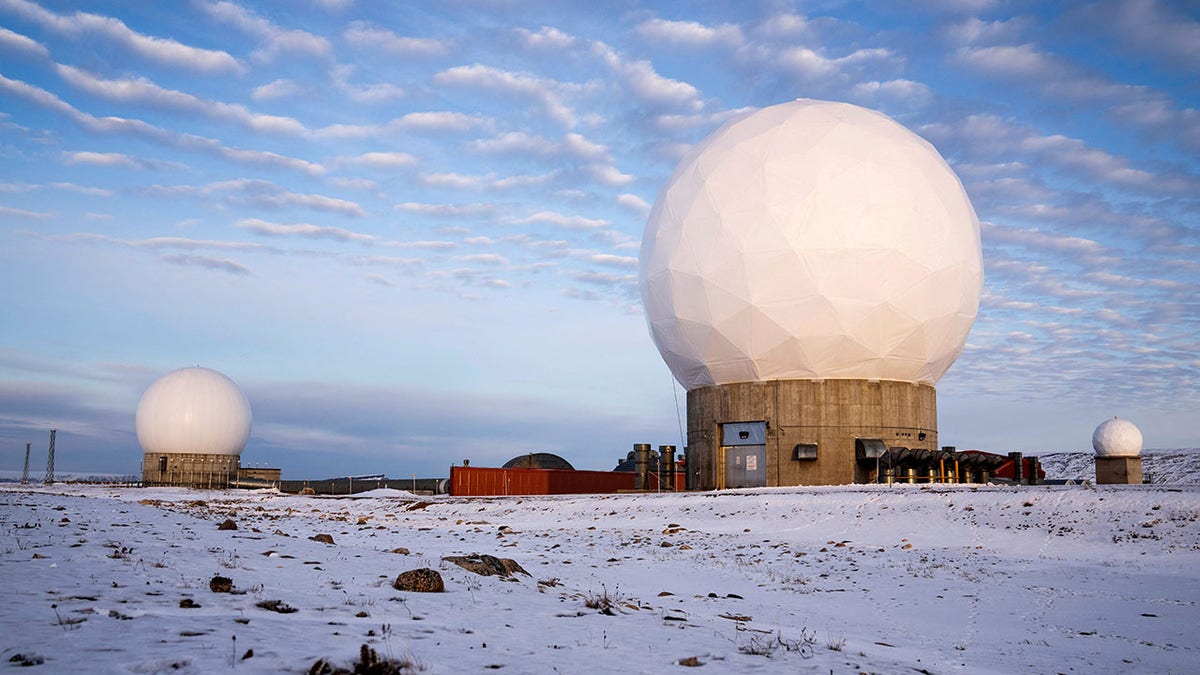
Greenland military control has emerged as a focal point in discussions surrounding Arctic geopolitics, particularly in the context of how Finland and the U.S. engage with this vast territory. Finnish President Stubb recently asserted that he does not foresee the United States establishing military control over Greenland, a statement that underscores the intricate dynamics of international relations in the region. As Arctic geopolitical tensions rise, especially with competing interests in sovereignty and territorial integrity, the implications of such control become increasingly significant. The interplay between Finland and U.S. relations against this backdrop highlights a delicate balance of power and respect for Greenland’s autonomy. The ongoing dialogue among world leaders signals a shifting landscape, where military aspirations and diplomatic intentions must be carefully navigated.
The governance of Greenland’s military initiatives is becoming a pressing subject in the geopolitics of the Arctic, intersecting with various international interests. Statements like that of President Stubb illuminate the discussions surrounding territorial control and sovereignty issues in this strategically vital area. With Finland’s perspective on U.S. involvement in Greenland’s defense mechanisms, the conversation expands to include broader themes of regional security and collaborative efforts. As global powers assess their influence in the Arctic, the ramifications of military oversight in Greenland are felt far beyond its icy shores. It’s a scenario where diplomacy and defense converge, reflecting the foundational principles of respect for national sovereignty while navigating complex international relations.
The Impact of President Stubb’s Comments on International Relations
Finnish President Petteri Stubb’s remarks regarding the U.S. military control over Greenland have ignited discussions within the realm of international relations. By asserting that he doubts the United States will exert military control over Greenland, Stubb is highlighting the importance of respecting national sovereignty and territorial integrity among nations. This viewpoint is particularly relevant in the context of Finland’s relations with the U.S. and other Arctic countries, as it emphasizes the necessity for dialogue and collaboration in addressing Arctic geopolitical tensions.
Stubb’s comments reflect a broader concern among Arctic nations about the implications of external military influence in this strategically important region. As countries like Russia and China expand their presence in the Arctic, it is essential for nations such as Finland to advocate for cooperative frameworks, aiming to uphold their own sovereignty while navigating complex international relations. The Arctic is not only a geopolitical hotspot but also a vital region for environmental sustainability and resource management, which requires a thoughtful approach to governance and military presence.
Understanding Greenland’s Strategic Significance
Greenland’s position within the Arctic adds layers of significance to its strategic importance, especially in light of President Stubb’s commentary on military control. As the world’s largest island, Greenland is rich in mineral resources and has a growing geopolitical relevance due to climate change, which is opening new shipping routes and accessibility to these resources. The potential for military bases and expanded U.S. presence could be viewed as both a protective measure and a strategic assertion by the U.S. in the face of increasing Arctic tensions.
With Finland fostering strong ties with the United States, understanding Greenland’s geopolitical dynamics becomes pivotal. The sovereignty and territorial integrity of Greenland are paramount, and any perceived threat to these could evoke responses not just from Denmark, which governs Greenland, but from all Arctic nations. Therefore, Finnish leaders like Stubb must engage in discussions that ensure all Arctic nations respect one another’s rights and explore peaceful coexistence, especially against the backdrop of geopolitical rivalries.
Arctic Geopolitical Tensions and Future Implications
The Arctic region has become a focal point for international geopolitical tensions, particularly as nations vie for control over energy resources and trade routes that are becoming increasingly accessible due to melting ice caps. President Stubb’s assertion regarding the U.S. and Greenland must be understood in this context, where military posturing could lead to an escalation in diplomatic friction among Arctic nations. Finland stands at a crossroads, balancing its relations with global powers like the U.S. while also advocating for a peaceful resolution to territorial disputes.
As geopolitical tensions mount, the implications for Finland and its Arctic neighbors could be profound. Collaborative efforts that prioritize dialogue and mutual respect are crucial in maintaining stability in the region. This includes recognizing the sovereignty of nations like Greenland, which is vital for fostering stronger international relations. Finnish diplomacy will need to play a strategic role in navigating these waters, ensuring that the voices of smaller nations are heard, and supporting frameworks that promote collaboration rather than conflict.
Sovereignty and Territorial Integrity in the Arctic
At the heart of President Stubb’s comments lies the fundamental principle of sovereignty and territorial integrity, critical tenets in international relations that must be upheld in the Arctic. The region has seen a marked increase in military activity and territorial claims, particularly from larger powers. By emphasizing respect for Greenland’s sovereignty, Stubb is reinforcing a message that acknowledges the rights of nations to self-govern and uphold their territorial integrity, an essential factor for long-term regional stability.
As tensions continue to rise in the Arctic, the importance of maintaining these principles cannot be overstated. Countries must navigate the complexities of national interests while committing to cooperative agreements that respect territorial claims. Finland’s approach, as voiced by President Stubb, advocates for an Arctic agenda that prioritizes diplomacy over militarization, which is ultimately essential for preserving peace and fostering collaborative environments among Arctic nations.
Finland-US Relations in the Arctic Context
The relationship between Finland and the United States is pivotal in shaping the discourse surrounding Arctic geopolitical dynamics. President Stubb’s comments reflect a nuanced understanding of this relationship, particularly concerning issues of military presence and control in the region of Greenland. Finland has historically positioned itself as a mediator in international relations, promoting stability and fostering partnerships that respect the sovereignty of all states involved in Arctic affairs.
With the U.S. increasing its military capabilities in the Arctic, Finland’s role could be viewed as either supportive or critical, depending on how these actions align with its own values of territorial integrity and sovereignty for nations like Greenland. By engaging in open conversations with U.S. officials, Finnish leadership can ensure that their concerns regarding military escalation and respect for sovereign rights are adequately addressed. This cooperation could set a precedent for future engagement in Arctic policies, emphasizing diplomacy over conflict.
The Role of International Diplomacy in the Arctic
International diplomacy plays a crucial role in addressing the complexities of Arctic geopolitical tensions, especially regarding military control and sovereignty issues discussed by President Stubb. With multiple countries vying for influence in the Arctic, potent diplomatic strategies are necessary to quell fears of aggression and maintain peace among nations. By leading discussions centered around respect for territorial integrity, Finland can champion a collective approach that promotes transparency and understanding in international relations within the Arctic context.
As Arctic nations navigate their sovereignty claims, diplomacy must remain at the forefront of their interactions. Finland’s commitment to dialogue is vital in ensuring that all voices are heard and that agreements are reached based on mutual respect and equitable concern for the region’s resources. The current geopolitical climate demands a robust diplomatic strategy to prevent conflicts and promote stability, ensuring that the Arctic remains a region of cooperation rather than confrontation.
Environmental Considerations in Arctic Military Policies
The growing military presence in the Arctic raises pressing environmental concerns, especially as Arctic nations like Finland, the U.S., and others grapple with the consequences of climate change. President Stubb’s remarks, which emphasize respecting Greenland’s sovereignty, also invite a critical examination of how military activities could impact the delicate Arctic ecosystem. Military exercises and bases can exert tremendous pressures on local wildlife and land, potentially exacerbating environmental degradation.
In navigating these complex issues, Finland must advocate for environmental considerations to be an integral part of military and diplomatic discussions. By prioritizing the protection of fragile Arctic habitats while addressing security concerns, Finland can foster collaborations that hold nations accountable for their environmental footprints. This approach ensures that sovereignty and territorial integrity are not just respected politically but also stewarded responsibly in the face of growing military interests.
The Future of Arctic Security Governance
The future of Arctic security governance will significantly depend on how nations interpret sovereignty and territorial integrity moving forward. President Stubb’s insights regarding U.S. military control over Greenland suggest an immediate need for frameworks and agreements that comprehensively address these issues. As nations formulate their strategies, the importance of maintaining open lines of communication among Arctic states will only increase, creating pathways for conflict resolution and cooperative security measures.
As security governance evolves, Arctic nations must collectively redefine what military presence means in the context of both defense and sovereignty. This includes creating policies that discourage aggressive posturing while promoting collaboration on shared challenges like climate change and resource management. The principle of respecting territorial integrity should guide all interactions, ultimately fostering an Arctic environment that values peace and cooperation in a rapidly changing geopolitical landscape.
Enhancing Multilateral Cooperation in the Arctic
Enhancing multilateral cooperation in the Arctic is essential for addressing the challenges posed by rising geopolitical tensions and military activities. President Stubb’s comments resonate with the need for a united approach among Arctic nations, advocating for dialogue and partnership rather than competition. By emphasizing the importance of maintaining respect for sovereignty and territorial integrity, Finland can encourage collaborative agreements that prioritize peaceful dispute resolution.
Such collaborations may involve creating joint military exercises focused on humanitarian assistance rather than dominance, showcasing a commitment to shared security without infringing upon national rights. Multilateral frameworks that include all Arctic nations can set the stage for meaningful discussions about governance, resource sharing, and environmental protection, reflecting a collective interest in preserving the Arctic as a region of harmony and mutual respect.
Frequently Asked Questions
How does President Stubb’s comments on Greenland military control reflect Arctic geopolitical tensions?
President Stubb’s comments emphasize the importance of respecting the sovereignty and territorial integrity of nations, particularly in light of increasing geopolitical tensions in the Arctic. His statements suggest that any military control over Greenland by the U.S. would be inappropriate, underlining the complex dynamics of international relations in this strategically significant region.
What implications do Finland US relations have on Greenland military control discussions?
Finland US relations play a crucial role in discussions about Greenland military control, as Finland positions itself as a mediator in Arctic geopolitical affairs. President Stubb’s remarks highlight Finland’s commitment to protecting sovereignty and ensuring peaceful coexistence, which influences how military control dynamics are viewed in relation to Greenland.
Why is international relations in Greenland important for Arctic geopolitical stability?
International relations in Greenland are vital for Arctic geopolitical stability, as they directly affect military control perceptions and national sovereignty. The Arctic region’s resources and security concerns necessitate collaboration among nations, making the dialogue surrounding Greenland military control essential for maintaining peace and stability.
What are the current challenges regarding military control in Greenland amid Arctic tensions?
The challenges surrounding military control in Greenland include tensions over sovereignty, the increasing presence of military activities from various nations, and environmental concerns. These factors contribute to the broader discussions of Arctic geopolitical tensions that President Stubb highlights in his commentary.
How does respecting sovereignty relate to Greenland military control issues?
Respecting sovereignty is a fundamental aspect of any discussions regarding Greenland military control. President Stubb’s stance reinforces the idea that any military actions must honor the territorial integrity of Greenland, aligning with broader international relations norms amidst rising Arctic geopolitical tensions.
What role do Arctic geopolitical tensions play in the future of Greenland’s military control?
Arctic geopolitical tensions significantly influence the future of Greenland’s military control, as nations vie for influence and access to resources. The discussions initiated by leaders like President Stubb are essential in shaping a framework that prioritizes sovereignty and cooperative international relations.
How might Finland’s position impact discussions on Greenland military control?
Finland’s position as a mediator in Arctic affairs could provide a balanced perspective on Greenland military control. By advocating for respect of national sovereignty, President Stubb’s comments may encourage dialogue that seeks cooperative security solutions rather than aggressive military posturing among Arctic nations.
Related: More from Altcoin News | Elon Musk’s Moon Mission: What You Need to Know About SpaceX’s Plans | Video Editing Features Set to Transform Content Creation with AI