


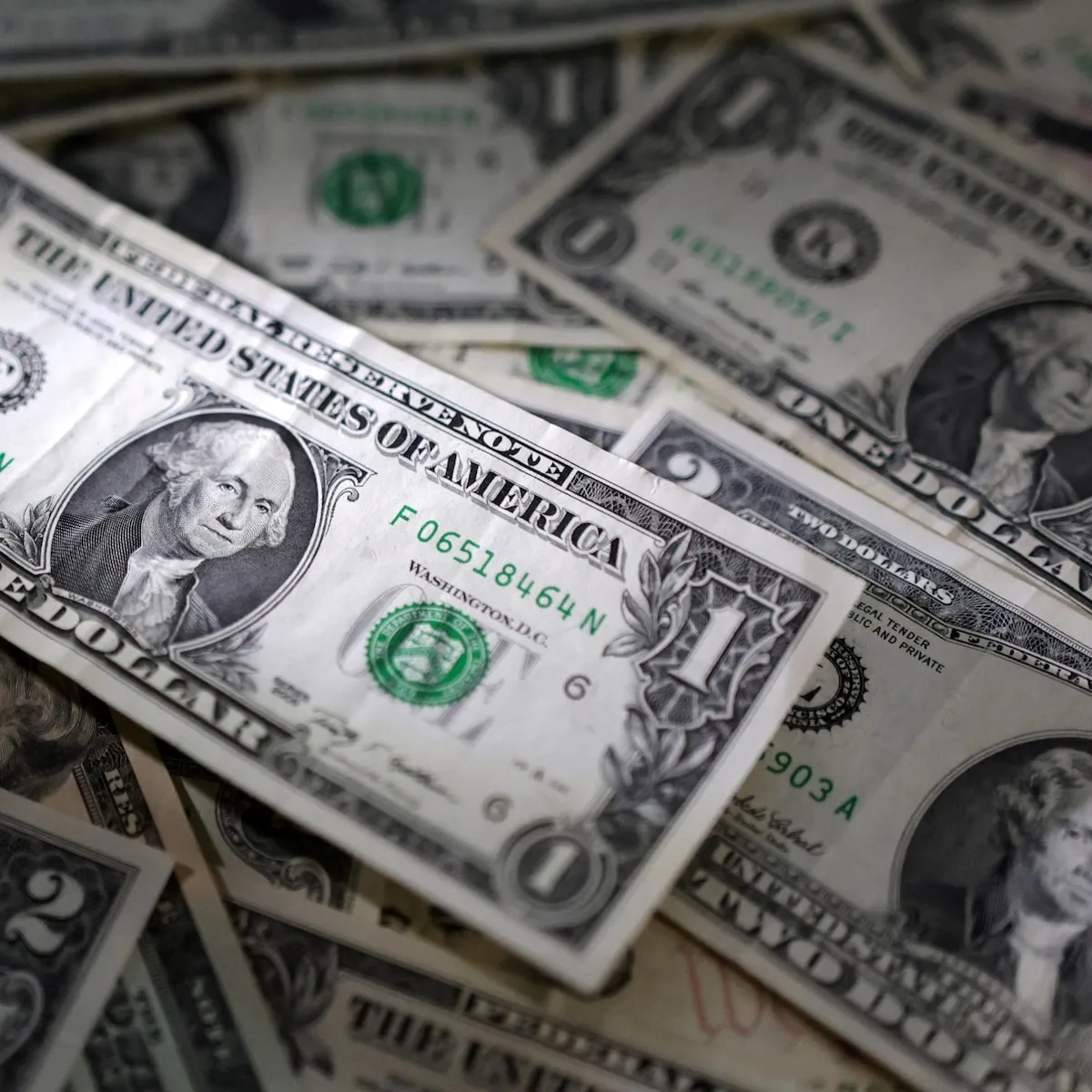

The recent government shutdown has raised significant concerns about the stability of the U.S. dollar, as analysts warn of potential downside risks. A government shutdown occurs when Congress fails to pass funding legislation, leading to a halt in non-essential government services. This situation not only disrupts federal operations but also creates uncertainty in financial markets, which can adversely affect the value of the dollar.
Historically, the dollar has been viewed as a safe haven during times of economic turmoil. However, the current shutdown is putting pressure on the currency, as investors weigh the implications of prolonged government dysfunction. Economic indicators suggest that the dollar may face further challenges, with metrics pointing to a potential decline. Factors such as reduced consumer confidence, stalled government spending, and the possibility of delayed economic data releases contribute to this bearish outlook.
Moreover, the shutdown could hinder the Federal Reserve’s ability to implement monetary policy effectively. With inflation still a concern, any disruption in government operations may complicate the Fed’s efforts to stabilize the economy. As a result, market participants are closely monitoring developments in Washington, as the outcome of the shutdown could have lasting implications for the dollar’s strength.
In conclusion, the ongoing government shutdown not only affects federal services but also poses a significant risk to the U.S. dollar. As uncertainty looms, investors are advised to stay informed and consider the potential impacts on their financial strategies.
Related: More from Regulation & Policy | US Court Sets Deadline for Sam Bankman | WLFI Cryptocurrency Investigation: What House Democrats Uncover


