
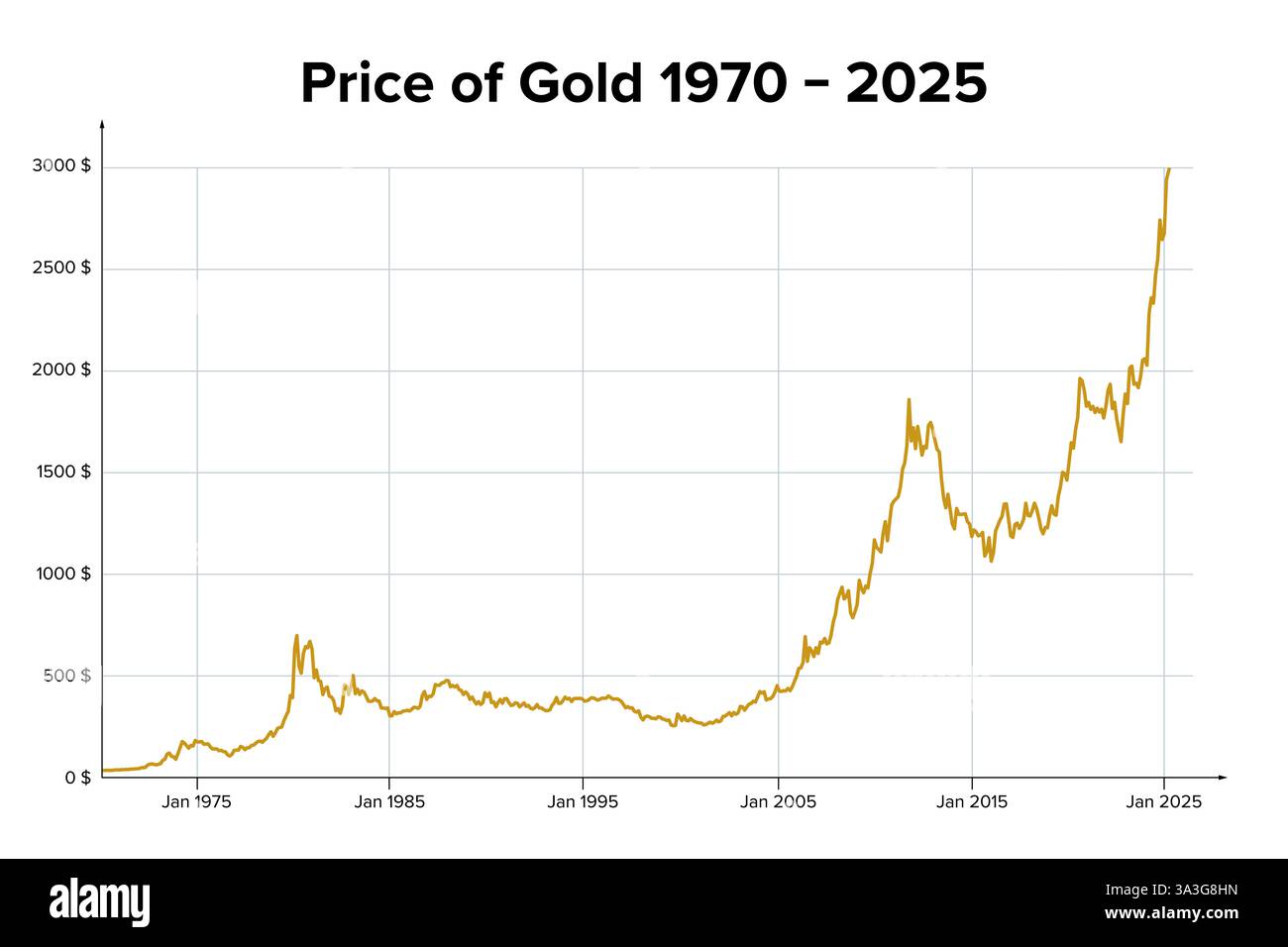

Gold prices are experiencing a notable surge, inching closer to the remarkable $5,000 threshold as investors react to escalating geopolitical tensions worldwide. On Friday morning, gold futures rose 0.6% to $4,940.20 per ounce, while spot gold climbed to $4,911.19, highlighting its status as a premier safe-haven asset in uncertain times. As discussions around tariff threats and international deals unfold, the market outlook for gold remains bullish, with analysts suggesting that the demand for buying gold will likely increase. The current geopolitical climate, influenced by events such as the upcoming talks between Ukraine, Russia, and the US, continues to drive investor interest towards this precious metal. With these factors at play, the focus on gold prices has never been more pressing for those looking to capitalize on market fluctuations.
The recent fluctuations in the market indicate a growing interest in the value of precious metals, particularly the allure of investing in gold. As global uncertainties mount, savvy investors are turning to gold as a reliable store of value, often viewed as a safeguard against market volatility. The anticipation around gold futures and their performance adds an intriguing layer to the current economic landscape, as discussions about geopolitical dynamics unfold. Moreover, the perspective of trading in gold and the implications of various international negotiations further complicate the scenario for market participants. As we delve deeper into the topic, the intricate interplay between market forces and the rising gold prices becomes increasingly apparent.
| Key Points |
|---|
| Gold prices advanced amid geopolitical concerns, approaching $5,000. |
| Gold futures rose 0.6% to $4,940.20 per ounce. |
| Spot gold increased by 0.5% to $4,911.19. |
| US-China trade tensions were influenced by Trump’s changing stance on tariffs. |
| Upcoming talks between Ukraine, Russia, and the US signal increased global uncertainty. |
| Rising oil prices are also noted, as geopolitical tensions escalate. |
| Investors are turning to gold as a safe-haven asset amid ongoing conflicts. |
Summary
Gold prices are currently experiencing a significant rise, edging closer to the $5,000 mark. Factors such as geopolitical uncertainties and market reactions to global events, including US tariff discussions and the upcoming trilateral talks regarding Ukraine and Russia, are influencing this upward trend. As investors seek stability amidst these factors, gold remains a preferred safe-haven asset, reflecting the ongoing dynamics in the global economy.
Current Trends in Gold Prices
Gold prices have seen a significant increase recently, reaching near the $5,000 mark. This surge can largely be attributed to growing geopolitical tensions which have pushed investors to seek safe-haven assets. As of Friday morning, gold futures rose by 0.6%, making it a prime time for investors looking to buy gold. The stability offered by gold in uncertain times contrasts sharply with the volatile stock market, where fluctuations are increasingly influenced by geopolitical events.
Moreover, recent events, including US President Donald Trump’s discussions regarding tariffs and international relations, have added to the uncertainties affecting market outlooks. Analysts suggest that the current rally may not endure without a resolution to these geopolitical issues. With gold being traditionally viewed as a safeguard against economic instability, its rising prices reflect a collective investor sentiment focused on the long-term security that gold provides.
Frequently Asked Questions
What factors influence gold prices amidst geopolitical tensions?
Gold prices often rise during times of geopolitical tensions as investors flock to safe-haven assets. Concerns over global instability can drive demand for gold, pushing prices up, as seen recently with developments related to Russia and Ukraine.
How do gold futures reflect expectations of gold prices?
Gold futures are contracts that allow investors to buy or sell gold at a predetermined price for future delivery. They reflect market expectations about future gold prices, influenced by factors such as geopolitical events and economic indicators. Recent trends show rising gold futures as tensions rise globally.
Is buying gold a smart investment during times of uncertainty?
Yes, buying gold is often considered a strategic investment during uncertain times. As a safe-haven asset, gold can provide stability and protection against market volatility, especially during geopolitical crises that typically drive up gold prices.
What is the current market outlook for gold prices in light of global events?
The market outlook for gold prices remains bullish due to ongoing geopolitical uncertainties, such as tensions between the US and Iran, as well as discussions between Ukraine and Russia. These factors contribute to a sustained demand for gold as a safe-haven asset, potentially pushing prices closer to the $5,000 mark.
How do geopolitical events impact the gold market?
Geopolitical events significantly impact the gold market by increasing uncertainty, which often leads to a rise in gold prices. Investors tend to purchase gold to hedge against instability, causing spikes in demand and price fluctuations as seen in current market trends.
What role do analysts play in predicting gold prices related to geopolitical risks?
Analysts provide insights and forecasts on gold prices by assessing geopolitical risks, market conditions, and economic indicators. Their analyses help investors navigate the complexities of the gold market, especially when geopolitical tensions are high.
How do gold prices compare to other safe-haven assets?
Gold prices are typically compared to other safe-haven assets like silver and government bonds. During times of crisis, gold often outperforms these assets due to its historical role as a store of value, particularly when geopolitical tensions escalate.
What should investors consider when looking at gold prices during political unrest?
Investors should consider the historical performance of gold prices during political unrest, the likelihood of continued geopolitical tensions, and the overall market sentiment. Keeping an eye on global events and analyst reports can provide valuable insights for buying decisions.
Related: More from Forex News | Shannon Sharpe Addresses ESPN Reunion Rumors with Stephen A. Smith | apoB Testing: A Superior Indicator of Heart Disease Risk?

