
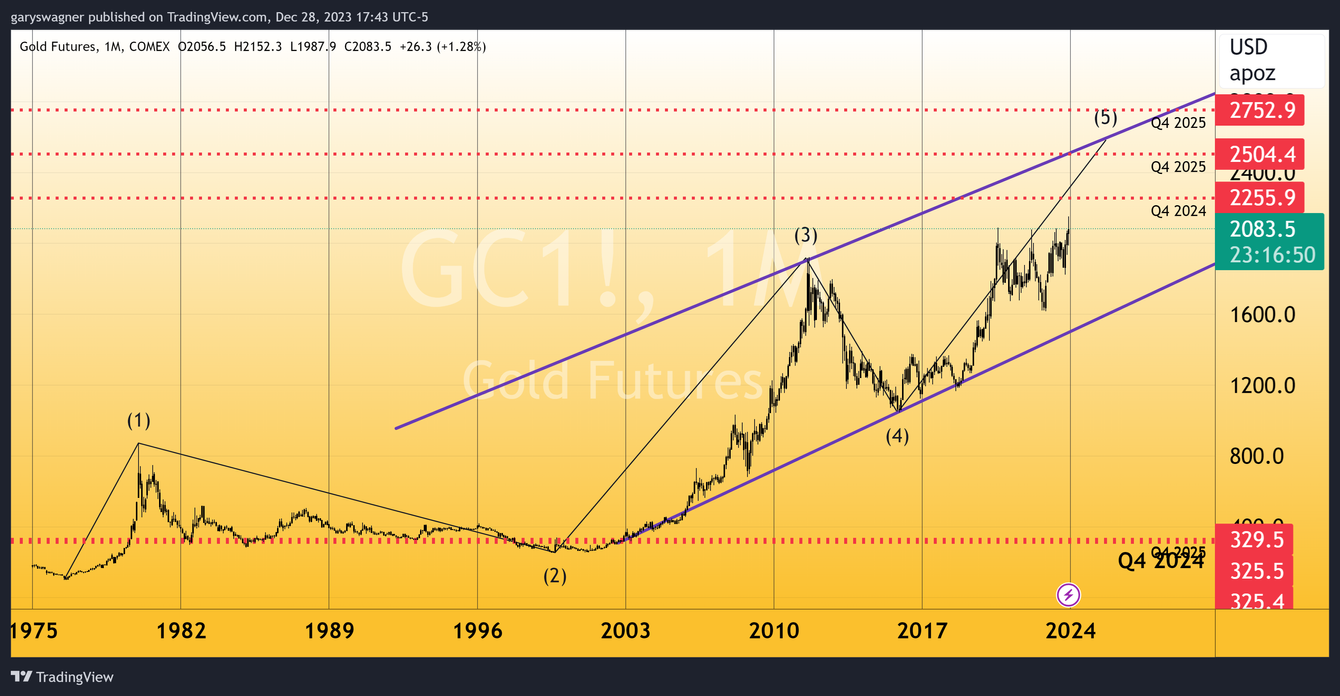

As the financial landscape evolves, gold price targets for 2026 are becoming a focal point for investors and analysts alike. Recently, UBS Group, a leading financial services firm, has dramatically revised its forecasts, projecting a gold price increase to $5,000 per ounce by mid-2026. Such bullish gold outlook suggests optimism about gold’s value amid economic uncertainties. With gold price predictions increasingly leaning towards higher valuations, understanding these trends will be crucial for anyone considering investment in this precious metal. As we approach 2026, following the trajectories of gold prices will provide valuable insights into market behaviors and investment strategies.
In the realm of precious metals, the anticipated fluctuations in gold values are drawing significant attention. Analysts are closely observing how various economic factors may influence gold’s market performance in the coming years, specifically targeting prices around the 2026 horizon. With recent updates from major institutions like UBS Group, which forecast a remarkable leap in gold prices, it’s essential to explore the implications of these trends for both seasoned investors and newcomers. The concept of a bullish sentiment surrounding the metal’s value is becoming more prevalent, reflecting a broader understanding of gold as a safe haven asset. Thus, staying informed about projections and forecasts can help investors navigate the upcoming shifts in the gold market.
UBS Group’s Gold Price Predictions for 2026
UBS Group has recently announced an upward revision of its gold price targets for the year 2026, now setting the bar at an impressive $5,000 per ounce for the March, June, and September benchmarks. This sharp increase from the earlier forecast of $4,500 per ounce reflects a robust, bullish outlook on gold amidst fluctuating global market conditions. Investors should be particularly attentive to these predictions, as they indicate a substantial anticipated increase in gold prices driven by various economic factors, including inflation concerns and geopolitical uncertainties.
In addition to the short-term targets, UBS’s long-term forecast suggests an expected slight decline to $4,800 per ounce by the end of 2026. Despite this anticipated dip, the overall sentiment remains overwhelmingly positive, with financial analysts from UBS recognizing the strong demand for gold as a hedge against market volatility. This aligns with broader trends observed in the precious metals market, where investor confidence persists, maintaining gold’s status as a safe-haven asset.
Factors Influencing Gold Price Increase
Several key factors are contributing to the bullish sentiment surrounding gold price predictions for 2026. Among these, inflation rates and economic instability play pivotal roles. As central banks around the world navigate uncertain financial landscapes, the demand for tangible assets like gold tends to rise. Investors often flock to gold seeking security during times of economic turmoil, which invariably fuels the prices. UBS Group’s predictions underscore the importance of these dynamics in shaping future gold price trends.
Additionally, the ongoing geopolitical tensions and the potential implications for global trade can significantly influence gold’s market performance. As uncertainties linger, the traditional appeal of gold as a hedge becomes increasingly relevant. This intricate relationship between market sentiment and gold valuations suggests that the forecasts from UBS Group may well be grounded in solid economic reasoning, making their targets for 2026 especially noteworthy for investors.
Analyzing the Bullish Gold Outlook
The bullish outlook stated by the UBS Group is not merely speculative; it is supported by a confluence of economic indicators suggesting that gold will remain in demand. With rising inflation rates prompting investors to secure their investments against currency devaluation, gold emerges as a primary contender for value preservation. Furthermore, geopolitical instabilities can send shockwaves through markets, increasing the allure of gold as a safe-haven asset.
UBS’s forecast of reaching $5,000 per ounce indicates tremendous confidence in gold’s ability to withstand economic volatility while appreciating. This outlook also points to the adaptability of gold as an investment tool that surpasses traditional equities and bonds in times of economic and political unease. As investors strategize for diversified portfolios, the anticipated increment in gold prices should encourage a renewed focus on including precious metals in their assets.
The Future of Gold Prices: Insights for Investors
Investors looking ahead to 2026 should carefully consider the implications of UBS Group’s elevated gold price forecasts. With gold price predictions showing potential leaps to $5,000 per ounce in the first half of 2026, investors may find renewed incentives to buy into gold markets before prices reach these anticipated heights. Timing becomes crucial, as acquiring gold at earlier stages can maximize profitability when prices climb as predicted.
Moreover, understanding the cyclical nature of gold pricing will be vital for making informed decisions. While the forecast suggests a peak value, potential drops to $4,800 by year-end 2026 should alert investors to weigh the benefits and risks of their positions. Diversification within precious metals portfolios and strategic buying during price dips can enhance financial resilience against fluctuating market conditions.
Impact of Economic Indicators on Gold Pricing
The intricate relationship between economic indicators and gold pricing is vital for understanding market dynamics. Elements such as interest rates, inflation forecasts, and global economic growth prospects all play significant roles in determining gold value. Typically, lower interest rates encourage higher investment in gold as an alternative asset, consequently driving prices up. Given UBS Group’s bullish predictions, anticipating these links offers investors a clearer lens through which to view market strategies.
Furthermore, ongoing analysis of global stock performance and monetary policies will influence future gold prices. If economic uncertainties persist, investors may pivot towards gold, sustaining upward pressure on prices. Staying informed on such economic metrics allows investors to make timely decisions regarding their portfolios, leveraging anticipated gold price increases in alignment with market trends.
Gold as a Hedge Against Market Volatility
In an era defined by uncertainty and fluctuating markets, gold continues to be a favored asset for hedging against volatility. UBS Group’s projected price targets reflect an understanding of this role, where gold’s intrinsic value serves as protection amidst adverse economic conditions. With the prospect of reaching $5,000 per ounce, it becomes increasingly compelling for investors to consider gold not just as an investment, but as a crucial component in risk management strategies.
The growing recognition of gold’s significance in an unpredictable economic landscape accentuates its function as a safe-haven asset. Investors gravitate towards gold, particularly when faced with heavy market swings and inflationary fears, laying the groundwork for the bullish price predictions set forth by UBS. This trend indicates a progressive shift in how investors view gold and its irreplaceable role during times of financial strain.
The Role of Central Banks in Gold Pricing
Central banks significantly influence gold pricing dynamics through their purchasing behaviors and monetary policies. As sovereign entities stockpile gold reserves to fortify their financial systems, the overall market sentiment regarding gold tends to improve, propelling prices higher. UBS Group’s optimistic $5,000 per ounce forecast aligns with the trend of central banks increasing their gold holdings, further supporting elevated valuations.
Such buying patterns reflect the perceived need for a protective asset amidst geopolitical instability and inflationary pressures. Countries investing in gold reflect a broader strategy to hedge against currency fluctuations and maintain financial sovereignty, making it an essential part of global market movements. Monitoring central bank actions can provide investors with insights into future price trajectories and prompt timely investment decisions in gold.
Global Demand for Gold: Future Trends
The outlook for global demand for gold is steadily positive, bolstered by various factors from industrial use to investment drives. In addition to the traditional jewelry market, growing interest in technology sectors that utilize gold has contributed to the overall consumption trends. UBS Group’s price targets underscore an expectation of increased demand that aligns with global economic shifts, leading to potentially higher prices in the coming years.
Moreover, the trend of retail investors increasing their gold acquisitions further propels the market’s bullish outlook. As public interest rises, particularly in times of financial apprehension, the demand for gold is likely to maintain upward momentum, revealing that the future landscape for gold prices is marked by significant growth opportunities. Keeping a close watch on these evolving demand patterns will be crucial for investors as they navigate market possibilities.
Understanding Risk Management in Gold Investments
Investing in gold, like any financial endeavor, necessitates a careful assessment of risks and rewards. While UBS Group’s projections suggest favorable market conditions for gold, investors must also be prepared for potential volatility. Effective risk management strategies should include diversification and comprehensive market analysis to safeguard against price fluctuations as the 2026 forecasts unfold.
As the gold market evolves, maintaining awareness of macroeconomic indicators, investment trends, and geopolitical events will be essential for successful gold investment. Understanding position sizes, entry points, and market sentiments will empower investors to navigate uncertainties while capitalizing on UBS’s bullish price predictions. In the world of commodities, informed decision-making will be paramount in achieving optimal returns.
Frequently Asked Questions
What are the UBS Group gold price targets for 2026?
The UBS Group has raised its gold price targets for March, June, and September 2026 to $5,000 per ounce, an increase from the previous target of $4,500 per ounce.
How does the UBS Group’s bullish gold outlook impact gold price predictions for 2026?
The UBS Group’s bullish gold outlook suggests confidence in rising gold prices, influencing predictions for 2026 and supporting expectations for higher prices throughout the year.
What is the expected change in gold prices by the end of 2026 according to the UBS forecast?
According to the UBS forecast, gold prices are expected to slightly decrease to $4,800 per ounce by the end of 2026 after peaking at $5,000 per ounce earlier in the year.
Why are analysts optimistic about gold prices in 2026?
Analysts are optimistic about gold prices in 2026 due to expected economic uncertainties, inflation concerns, and a bullish outlook from firms like UBS Group, which predicts significant price increases.
What factors could influence gold price predictions for 2026?
Factors influencing gold price predictions for 2026 include global economic conditions, market demand, inflation rates, and geopolitical tensions, all of which can affect investor sentiment towards gold.
How does the UBS Group’s target compare to other gold price forecasts for 2026?
The UBS Group’s target of $5,000 per ounce for gold in 2026 is among the higher forecasts, reflecting their strong bullish stance compared to other predictions that may vary significantly.
When should investors consider buying gold based on the UBS Group’s price targets?
Investors may consider buying gold ahead of the UBS Group’s target timelines in March, June, and September 2026, as prices are expected to peak at $5,000 per ounce during these times.
Is the UBS Group’s increase in gold price targets for 2026 a response to market trends?
Yes, the UBS Group’s increase in gold price targets reflects a response to current market trends, which indicate a growing demand for gold as a safe-haven asset in uncertain economic times.
What does a bullish gold outlook mean for investors targeting gold prices in 2026?
A bullish gold outlook implies that investors can expect higher gold prices, making it an attractive investment opportunity for those targeting gains in 2026.
How can potential shifts in economic policy affect gold price increases in 2026?
Potential shifts in economic policy, including interest rate changes and inflation control measures, can significantly impact gold price increases in 2026, influencing investor behavior regarding gold assets.
| Key Points |
|---|
| UBS Group has raised its gold price targets for 2026 to $5,000 per ounce for March, June, and September. |
| The previous target was $4,500 per ounce, indicating a significant bullish outlook. |
| By the end of 2026, gold prices are expected to decrease slightly to $4,800 per ounce. |
Summary
Gold price targets for 2026 have been significantly raised by UBS Group to $5,000 per ounce for key months such as March, June, and September. This revision from the previous target of $4,500 underscores a strong bullish sentiment in the gold market. However, projections suggest a minor decline to $4,800 per ounce by the end of the year, highlighting the volatile nature of gold prices. Investors should keep a close eye on these developments as they could influence market decisions leading up to and during 2026.
Related: More from Market Analysis | Earnings season is wrapping up with a mixed bag of results across | Polymarket Bet Fails to Catch Insider Traders

