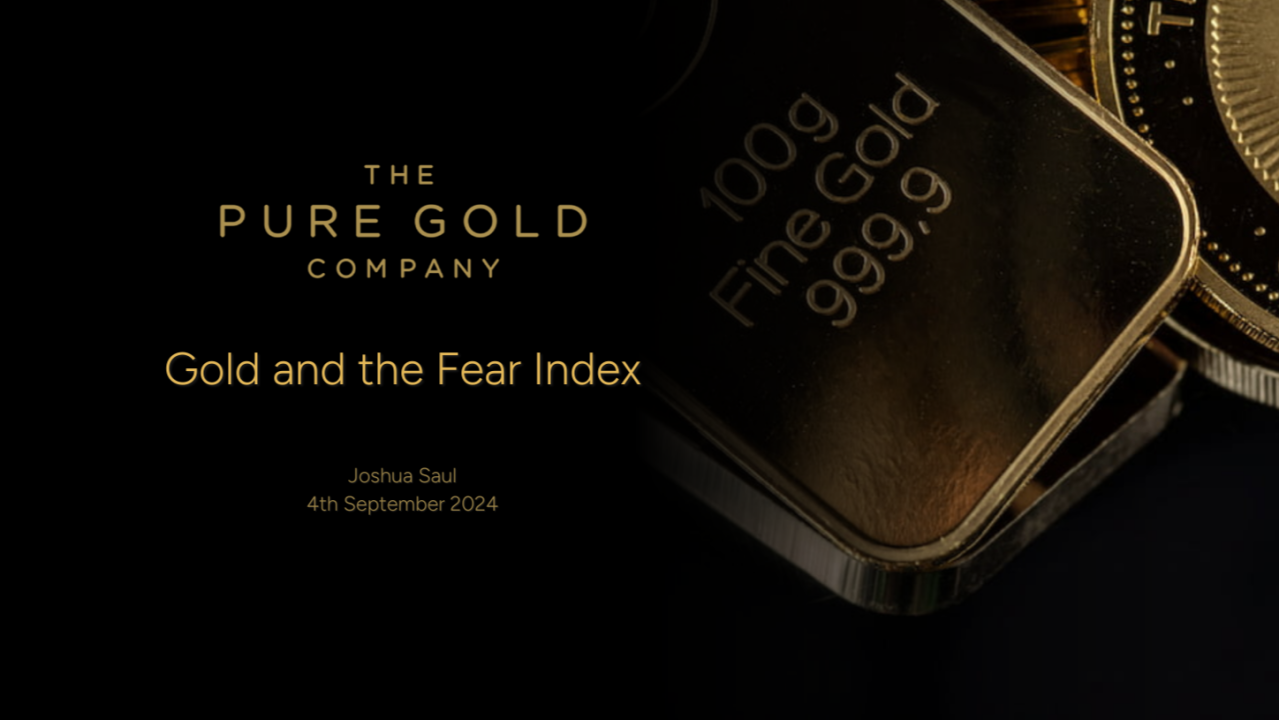

In today’s volatile financial landscape, gold as a fear index has emerged as a crucial indicator for investors navigating uncertainty. As the Trump administration implements policies that create market instability, the surge in gold prices reflects a growing trend where investors turn to gold as a safe haven. Factors such as aggressive trade tariffs and geopolitical tensions are amplifying the market fear gauge, pushing individuals to seek stability in precious metals rather than traditional bonds and currencies. Analysts have observed that recent stress in Japanese government bonds, coupled with a declining dollar, has further intensified this shift towards gold. Consequently, this precious metal has solidified its role not just as an asset, but as a critical barometer of investor sentiment amidst global turmoil.

Gold’s position as a harbinger of economic anxiety has never been more pronounced, especially in light of current global events. This treasured metal serves not only as an investment vehicle but also as a psychological refuge for those wary of fluctuating markets. With the implementation of contentious fiscal policies and the uncertain international landscape, many are now leaning towards gold as their primary hedge against fear and volatility. It encapsulates the sentiments of anxious market participants who seek reassurance amidst the pressures of political maneuvers and economic fluctuations. Thus, gold remains a pivotal player in the financial ecosystem, reflecting broader concerns echoed by investors worldwide.
| Key Points | Details |
|---|---|
| U.S. Policy Actions | Policy actions by the Trump administration are influencing market dynamics. |
| Driving Factors | Analyst Soojin Kim highlights renewed attacks on the Fed, trade tariffs, and geopolitical tensions. |
| Investor Behavior | Investors are increasingly turning to gold as a safe haven over sovereign bonds and currencies. |
| Stress on Other Assets | There is stress in Japanese government bonds and a weakening dollar, leading to increased interest in precious metals. |
Summary
Gold as a fear index has gained significant prominence in recent times, particularly due to the influence of U.S. policy decisions. As tensions rise from various geopolitical and economic factors, investors are increasingly viewing gold as a safer investment. The recent actions by the Trump administration, alongside ongoing market stressors such as the weakening dollar and issues within Japanese bonds, have propelled gold into a critical position as a hedge against uncertainty in the market.
The Increasing Role of Gold as a Market Fear Gauge
In recent years, gold has evolved into a crucial barometer for market sentiment, especially during times of economic uncertainty. The Trump administration’s policies, including aggressive trade measures and criticisms of the Federal Reserve, have contributed to rising tensions in global markets. As a result, investors are increasingly turning to gold, which has historically been viewed as a safe haven asset during turbulent times. This shift in investor behavior underscores gold’s growing importance as a fear index, reflecting market anxieties over inflation, economic stability, and geopolitical tensions.
The dynamics of demand for gold have shifted significantly. As geopolitical conflicts escalate and trade wars loom, many investors are opting for the security of gold over volatile stocks or bonds. For instance, the interplay between the weakening dollar and stress in bonds—especially Japanese government bonds—has heightened the appeal of gold. As analysts warn of potential market downturns, gold’s allure as an investment that can withstand economic shocks becomes even more pronounced, reinforcing its role as a market fear gauge.
How Trump’s Policies Influence Gold Prices
The economic strategies and policies initiated by the Trump administration have had a profound impact on gold prices. With the introduction of sweeping trade tariffs and inflammatory rhetoric directed at the Federal Reserve, uncertainty has permeated the markets. This has led to an uptick in market volatility, prompting investors to seek refuge in gold. Traditionally seen as a hedge against inflation and currency devaluation, gold is increasingly favored by investors looking to protect their assets during uncertain economic times.
Moreover, geopolitical tensions have not only drawn attention to gold’s traditional role as a shield against economic downturns but have also illuminated its significance as a response mechanism to poorly received national policies. As the global economy faces potential disruptions from various fronts—be they from trade wars or international conflicts—gold continues to serve as a pivotal asset. Investors, wary of the potential fallout from erratic policies, frequently look to gold to stabilize their portfolios and hedge against unpredictability.
The Impact of Global Geopolitical Events on Gold Prices
Global events often have a direct correlation with gold prices, notably highlighted during periods of geopolitical crisis. When tensions rise, whether through military conflicts or diplomatic standoffs, the demand for gold typically surges as investors flock to its safety. The recent geopolitical landscape has shown that when uncertainty looms, gold is perceived as a reliable store of value, overshadowing other traditional investments like equities or bonds, which can fluctuate wildly due to external pressures.
As political landscapes shift, with actions such as tariffs being implemented and international relations being tested, gold often rises as a preferred investment. This is especially true in today’s economic climate, where fears of inflation and uncontrolled spending policies make precious metals particularly attractive. In essence, the geopolitical impact on gold prices is significant, and in times of crisis, gold acts not only as a valuable asset but as a barometer reflecting broader market anxieties.
Investor Behavior Shifts: Turning to Gold in Troubling Times
Investor behavior tends to adapt in relation to current events, and the recent developments in U.S. policy have been pivotal in shifting attitudes towards gold. The aggressive stance of the Trump administration has fostered an environment of uncertainty, prompting investors to reconsider their asset allocations. As trade disputes escalate and concerns over economic policies mount, many are finding comfort in gold—historically viewed as a safeguard against market turbulence.
This trend is illustrated by the increasing volume of gold transactions as investors move their capital into the precious metal. The decline of the dollar and pressure on other financial instruments are central to this shift. As safer investments diminish in allure due to heightened risks, gold remains resilient as it retains intrinsic value through market changes. Thus, as fear pervades the marketplace, the act of turning to gold becomes a rational choice for many investors seeking stability.
Market Dynamics Shaping Gold Investments
The dynamics of the gold market are heavily influenced by broader economic trends and political actions. Actions such as the implementation of trade tariffs by the Trump administration can create ripples throughout the financial markets, impacting everything from currencies to commodities. These fluctuations often lead to a heightened interest in gold, as it is deemed a reliable hedge against economic instability. Investors are increasingly aware that gold can maintain value during periods when other asset classes falter.
Additionally, the sophistication of market participants has evolved, with many equity traders turning to gold as a portfolio diversifier. The perception of gold as a fear index solidifies its position among institutional investors as they navigate increasingly volatile markets. This shift not only reflects the current demand dynamics but also underscores a broader recognition of gold’s role in preserving wealth in uncertain times, further solidifying its place as a core asset in investment strategies.
Analyzing the Precious Metal’s Historical Resilience
Gold’s resilience as a financial asset has been well documented throughout history, particularly in times of crisis. Its intrinsic value has made it a desirable asset during various economic downturns, facilitating its continued relevance in modern portfolios. The market’s response to ongoing geopolitical tensions and domestic policy shifts serves as a modern example of this historical trend, where investors lean heavily on gold to provide stability amidst chaos.
Moreover, as global economies fluctuate, gold does not only reflect contemporary trends but also integrates lessons learned from past policy impacts and economic movements. The historical performance of gold during previous crises exemplifies its reliability and effectiveness as a hedge. Thus, the present volatility due to the Trump administration’s policies not only reinforces gold’s status as a fear index but also draws parallels with its past performance amid financial uncertainty.
Future Outlook for Gold Prices Amid Political Uncertainty
Looking ahead, the outlook for gold prices is closely tied to the evolving political landscape and its broader economic implications. With persistent uncertainties regarding trade policies, inflation control measures, and fiscal stimulus, gold could maintain its upward trajectory. The inherent value of gold as a hedge against inflation and market fears positions it well for continued investor interest, particularly as economic signals continue to fluctuate.
As market dynamics evolve, investors are becoming increasingly perceptive to the signals about gold’s value. Strategic incorporation of gold into investment portfolios is likely to rise as political uncertainties shape perceptions of risk, further establishing gold’s role as a protector of wealth. Therefore, the future of gold prices remains closely monitored, as ongoing governmental actions will continue to influence investors’ decision-making processes heavily.
Understanding the Economic Drivers Behind Gold Investment
The interplay between economic factors and gold investment cannot be understated. Factors such as inflation rates, interest rates, and currency stability all contribute significantly to gold’s performance in the market. As the Trump administration’s monetary policies unfold, discrepancies in these economic drivers can lead to increased volatility, further catalyzing investor interest in gold as a secure investment.
With the Federal Reserve’s policies under scrutiny, especially amidst rising inflation concerns, investors are likely to be more attuned to shifts that could impact their assets. Gold serves as a hedge against these economic fluctuations, and its prices will likely react sensitively to any policy changes. Thus, understanding the economic drivers that influence both the demand for and the pricing of gold is essential for navigating the investment landscape effectively.
The Psychological Appeal of Gold During Uncertainty
During times of uncertainty, psychological factors play a crucial role in driving investment decisions. Gold’s longstanding reputation as a store of value provides investors with a sense of security that is often absent during turbulent times. The inherently risky environment created by political policies and market volatility can induce fear, prompting many to turn to gold—a universally recognized asset that often retains its value when other investments falter.
Moreover, the psychological impact of geopolitical events can amplify this trend. As fears surrounding trade wars and national policies mount, the push towards gold increases. Investors looking for safety tend to gravitate toward gold as a psychological anchor, reinforcing its role as a fear index. Thus, gold not only acts as a financial asset but also as a stabilizing force in the collective psyche of investors navigating uncertain economic waters.
Frequently Asked Questions
How does the gold price increase relate to the fear index in the market?
The gold price increase often reflects market fear, acting as a fear index for investors. As geopolitical tensions rise or economic uncertainties, investors typically turn to gold as a safer asset, which drives up its price and signals increased market fear.
Why is gold considered a market fear gauge?
Gold is considered a market fear gauge because it tends to appreciate in value during times of crisis or uncertainty. As market fear escalates due to factors like volatile geopolitical events or economic instability, investors often flock to gold for its safe-haven status, influencing its price.
What role do Trump administration policies play in gold as a fear index?
Trump administration policies, such as trade tariffs and confrontational stances, have heightened geopolitical tensions, prompting investors to seek refuge in gold. This behavior underscores gold’s role as a fear index, as these policies can create market volatility that drives gold prices higher.
How are investors turning to gold during times of market fear?
During periods of market fear, such as uncertainty around government policies or geopolitical conflicts, investors often turn to gold for stability. This increased demand contributes to rising gold prices and reaffirms its position as a fear index in financial markets.
What is the geopolitical impact on gold prices as a fear index?
Geopolitical factors, like international conflicts or diplomatic strains, significantly impact gold prices. As tensions rise, market fear increases, leading investors to purchase gold as a safe asset, which often results in a noticeable increase in gold prices and enhances its status as a fear index.
Related: More from Forex News | Shannon Sharpe Addresses ESPN Reunion Rumors with Stephen A. Smith | apoB Testing: A Superior Indicator of Heart Disease Risk?