
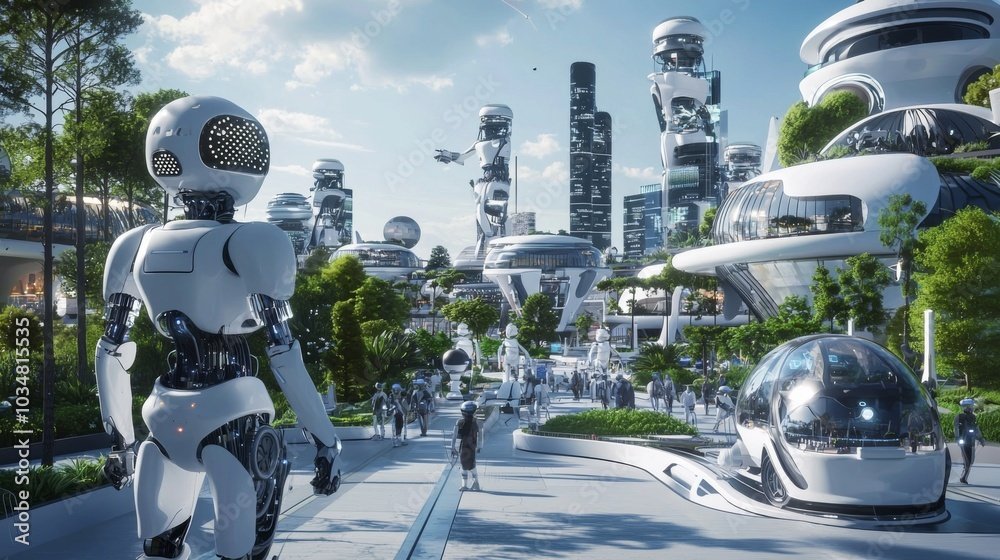

The future robots infrastructure is poised to revolutionize how we perceive automation and connectivity. In light of recent comments by Tether CEO Paolo Ardoino regarding the Cloudflare outage, there is a growing consensus that centralized infrastructure issues could hinder robot reliability in critical applications. As we navigate these challenges, it’s vital to explore innovative robot reliance solutions that leverage decentralized technology. By moving away from traditional models, we can create a more resilient environment for robotics, ensuring they operate seamlessly even in adverse conditions. The advent of future robots infrastructure could thus pave the way for more independent, efficient systems that reshape our technological landscape.
In reimagining the framework of robotic systems, the concept of next-generation automation networks emerges as a focal point. With increasing reliance on distributed systems, industry leaders are advocating for robust alternatives that address the vulnerabilities highlighted by Tether CEO’s remarks on centralized dependencies. These advancements signal a transformative shift towards decentralized capabilities, empowering robots to function autonomously. Emphasizing resilience and innovation, this visionary approach could effectively mitigate the drawbacks associated with outages and other infrastructural setbacks. As we advance into a new era of robotics, the potential for improved operational reliability and efficiency is brighter than ever.
The Vision for Decentralized Technology in Robotics
As automation and robotics advance, the Tether CEO emphasizes the pressing need for a shift away from centralized infrastructure. By leveraging decentralized technology, future robots can operate more independently, enhancing their efficiency and reliability. The reliance on centralized systems often presents vulnerabilities, such as the recent Cloudflare outage, which exposed how fragile internet-dependent services can be. In imagining a future where robots are autonomous, these decentralized infrastructures can offer increased resilience and stability.
The shift towards decentralized technology can revolutionize how robots function in various sectors, from manufacturing to logistics. By minimizing their dependency on centralized infrastructure, robots can seamlessly integrate into everyday operations without the risk of sudden service interruptions. This is particularly pertinent in industries that require continuous uptime and operational continuity. As Paolo Ardoino noted, fostering development in decentralized solutions may hold the key to creating more robust systems that withstand unforeseen disruptions.
Infrastructure Challenges Facing Future Robotics
The Tether CEO’s comments shed light on significant infrastructure challenges facing future robotics. Centralized infrastructure issues are typically fraught with drawbacks, including latency, potential outages, and single points of failure. Such vulnerabilities can hinder the effectiveness of robotic systems that are increasingly relied upon across various sectors. Focusing on decentralized infrastructure as a solution could alleviate many of these concerns, enabling robots to communicate and operate without constant dependence on centralized servers.
In addressing the challenges posed by centralized systems, the importance of developing robot reliance solutions becomes apparent. These solutions must prioritize interoperability, security, and scalability, ensuring robots can adapt to different environments and tasks while minimizing disruption from central outages. With new technologies emerging in the realm of decentralized systems, there is a promising opportunity for engineers and developers to design robots capable of flourishing independently or in a networked manner without relying solely on conventional infrastructure.
Adapting Robotics to Overcome Centralized Limitations
The centralized infrastructure limitations highlighted by events like the Cloudflare outage underscore the urgent need for innovation in robotics. In a world increasingly dependent on technology, it is essential that robotic systems are developed with flexibility in mind, enabling them to function even when parts of their network are compromised. Future robots must be equipped with capabilities to operate autonomously, leveraging advancements in artificial intelligence and decentralized platforms to make this vision a reality.
One effective strategy to combat the limitations imposed by centralized infrastructures involves building robust systems that employ decentralized technology. Such advancements can ensure that robots are not merely extensions of centralized control but are instead capable agents acting autonomously. This not only increases resilience but also lays the groundwork for a more distributed approach to robotics, where many small devices can contribute to the overall task, driving efficiency and reducing reliance on a centralized command structure.
The Role of Cloudflare and Its Impact on Robotics
The recent Cloudflare outage provided a stark reminder of the vulnerabilities inherent in centralized internet infrastructures. For robots and their systems that depend heavily on such structures, the implications can be significant, leading to interruptions in service and efficiency. As highlighted by Tether CEO Paolo Ardoino, this reliance on centralized services must be re-evaluated in light of achieving a more stable and robust future in robotics.
The impact of the Cloudflare outage on perception regarding centralized dependency cannot be understated. This incident propelled discussions among technologists and industrial leaders about transitioning towards decentralized solutions that bolster stability and security for robotic systems. In the quest for progressive robotic solutions, fostering an environment where robots can function independently of such outages will enhance their utility in real-world applications.
Future Robots: Seeking Reliable Alternatives to Centralized Infrastructure
As we look towards the future of robotics, it is critical to seek reliable alternatives to the prevalent centralized infrastructure. Tether CEO Paolo Ardoino’s insight aligns with a growing perspective that emphasizes decentralized technology as an essential component of robot development. By exploring new frameworks that promote autonomy and reliability, we can create robots capable of performing vital tasks without compromising on performance due to systemic failures.
The importance of diversifying infrastructure for robotics cannot be overstated. By prioritizing independent systems and leveraging decentralized technology, future robots will not only operate more effectively but also innovate new solutions to challenges faced in various sectors. This approach will encourage the continuous development of more resilient robotic systems capable of adapting to challenges without faltering under centralized pressures.
Innovative Solutions for Decentralized Robot Operations
The need for innovative solutions in decentralized robot operations has never been more urgent. As emphasized by Tether’s leadership, the potential for robots to function without a centralized infrastructure opens up new possibilities for operational efficiency and reliability. This vision highlights how decentralization can be a game-changer for industries heavily reliant on robotic automation.
One innovative approach is to integrate blockchain technology into robotic systems, allowing for secure, decentralized transactions and communications between robots without reliance on a central hub. Such implementations not only enhance security but also enable robots to collaborate intelligently, sharing data and insights in real-time, thereby optimizing processes that would otherwise be compromised in a centralized system. The path forward requires a concerted effort to rethink how robots engage with their surrounding infrastructure.
Addressing Security Concerns in Centralized Robot Networks
Security remains a pressing concern when it comes to centralized robot networks. As seen with the Cloudflare outage, centralized systems are often vulnerable to cyber-attacks or systemic failures that can bring operations to a halt. Tether CEO Paolo Ardoino’s comments underscore the need to address these vulnerabilities proactively, particularly in environments where robotic solutions are integrated into critical functions.
Transitioning to decentralized systems can significantly mitigate these security risks. By distributing processes and reducing reliance on central nodes, organizations can bolster their defenses against potential intrusions. This shift not only enhances the safety of robotic operations but also fosters trust in the technology, encouraging broader adoption across industries that remain skeptical due to security issues.
The Economic Implications of Decentralizing Robot Infrastructure
Decentralizing robot infrastructure presents significant economic implications for industries involved in automation. Tether CEO Paolo Ardoino’s vision for future robots highlights the potential cost savings associated with reducing reliance on centralized systems. By investing in decentralized technologies, companies can streamline operations, prevent downtime, and ultimately improve productivity across the board.
Moreover, as the economic pressures of maintaining centralized infrastructures become more apparent through outages like the one experienced by Cloudflare, businesses will inevitably seek more resilient alternatives. Transitioning to decentralized solutions not only addresses these immediate economic concerns but also supports sustained growth through increased innovation and efficiency in robotics.
Looking Towards a Future of Autonomous Robotics
The future of robotics is poised to embrace autonomy with the encouragement of decentralized infrastructures. Tether CEO Paolo Ardoino’s insights hint at a transformative path where robots operate independently of flawed centralized networks, thus maximizing their potential across various applications. By focusing on innovative designs and decentralized architectures, the scope for advancements in robotics will be greatly expanded.
Anticipating a future filled with fully autonomous robots necessitates a fundamental shift in the design and implementation strategies of robotic technologies. As industries begin to recognize the importance of decentralized technology, they will pave the way for robots that are not only more capable but also more attuned to the complexities of their operational environments. This transformation will signal a new chapter in the evolution of robotics.
Frequently Asked Questions
What did Tether CEO say about future robots and centralized infrastructure?
Tether CEO Paolo Ardoino commented on the reliance of future robots on centralized infrastructure, suggesting that he hopes advancements will enable robots to operate independently of such systems, especially highlighted during events like the Cloudflare outage.
How does centralized infrastructure affect future robots?
Centralized infrastructure can create vulnerabilities for future robots, as highlighted by potential disruptions like the Cloudflare outage. A shift towards decentralized technology could provide more resilient and reliable solutions for robotic operations.
What are robot reliance solutions in the context of future robots?
Robot reliance solutions for future robots involve developing technologies that reduce dependence on centralized infrastructure. This could include utilizing decentralized technologies to enhance the resilience and adaptability of robotic systems.
How can decentralized technology benefit the future robots infrastructure?
Decentralized technology can greatly benefit future robots infrastructure by enabling more secure and reliable operations. By minimizing reliance on centralized systems, robots can maintain functionality even during outages or disruptions, thus improving overall operational efficiency.
What lessons were learned from the Cloudflare outage regarding future robots?
The Cloudflare outage highlighted the risks associated with centralized infrastructure for future robots. It emphasized the need for robust backup and decentralized technologies to ensure continuous robot operations without interruptions from centralized service failures.
| Key Point | Details |
|---|---|
| Statement by Tether CEO | Tether CEO Paolo Ardoino expressed his hope that future robots will operate independently from centralized infrastructure. |
| Context of the Statement | The statement was made following a Cloudflare outage, highlighting concerns over reliability in centralized systems. |
| Implications for Future Robots | A shift towards decentralized systems may lead to more robust and resilient robotic operations in the future. |
Summary
Future robots infrastructure must evolve to eliminate reliance on centralized systems, as highlighted by Tether CEO Paolo Ardoino. His comments reflect a growing recognition of the vulnerabilities associated with centralized infrastructures, especially in light of recent outages like the one from Cloudflare. By embracing decentralized architecture, the future of robots could be marked by enhanced reliability, security, and autonomy, ultimately leading to more intelligent and self-sufficient robotic systems.
Related: More from Ethereum News | Vitalik Buterin Shares Vision for Ethereum Scaling Solution | Tether Freezes Over $4B Linked to Crime in Three Years in Ethereum