



Mixed Signals: Financials Surge While Tech Stumbles
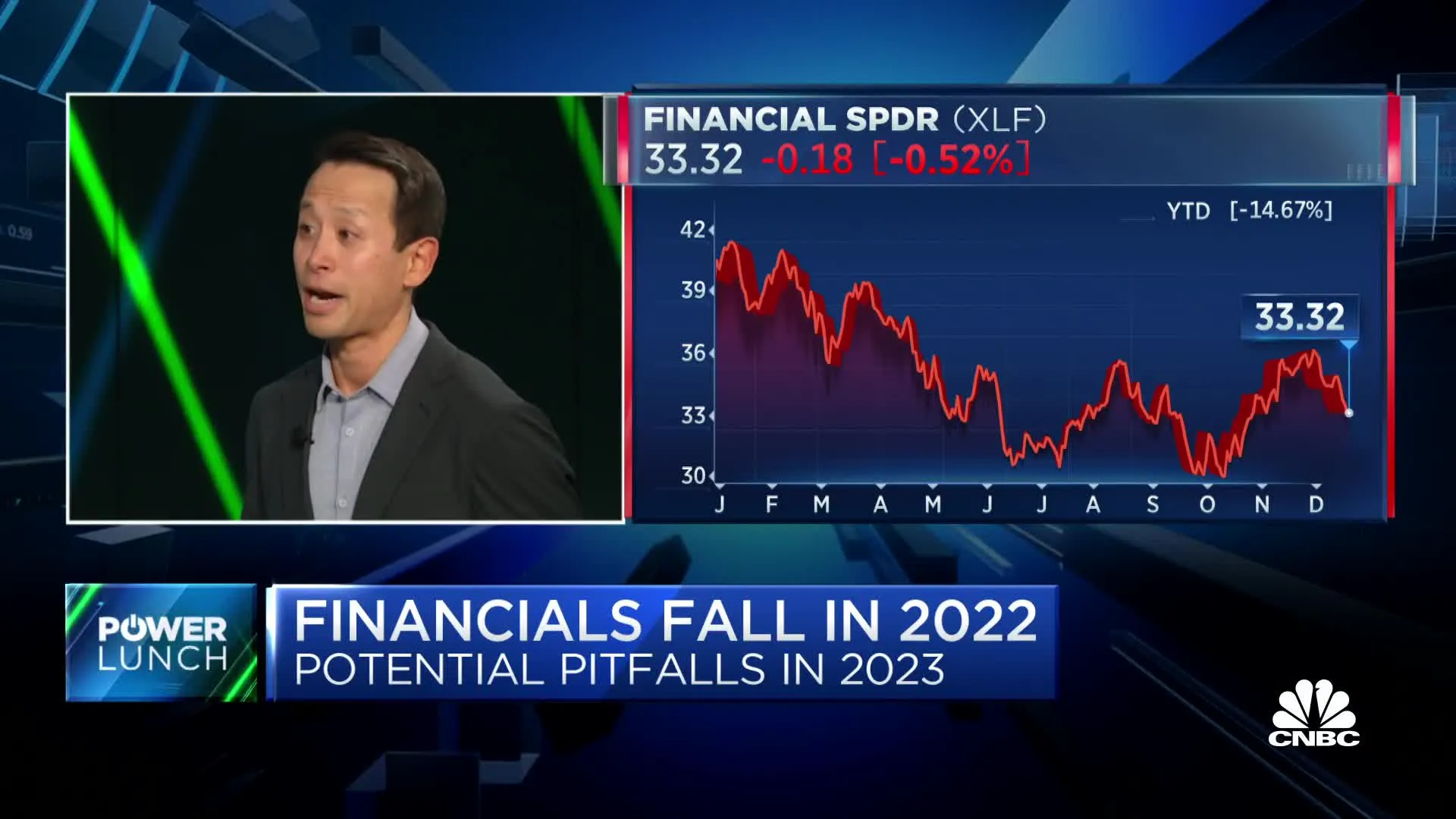
In an unexpected twist in the stock market, financial sectors have seen a notable surge, managing to thrive even amidst generalized unease, whereas technology stocks, typically the darlings of Wall Street, have experienced a stumble. This divergence raises questions and concerns among investors and analysts alike, highlighting overarching economic trends and sector-specific influences.

Key Takeaways
Financials Riding High
The financial sector’s ascent can be traced back to a few key drivers. First is the increase in interest rates. The traditional model of banking benefits from higher interest rates as the spread between what banks pay for deposits and what they earn from loans widens, effectively boosting their profit margins. With the Federal Reserve’s recent movements to hike rates in an attempt to temper inflation, banks are predictably benefiting.
Additionally, the return of consumer confidence and the normalization of economic activities post-pandemic have seen an uptick in bankable projects requiring financing and financial advisories. The robust demand for commercial loans and residential mortgages has further fortified the strength of financial institutions.
Resilience Amidst Regulatory Ebb and Flow
Interestingly, the financial sector has also shown resilience despite tightening regulations aimed at increased transparency and consumer protection. Institutions have adapted by innovating new financial products and enhancing digital services, which not only comply with regulations but also meet the evolving needs of consumers, showing an impressive ability to pivot and innovate within constraints.
Tech Takes a Tumble
On the other hand, the technology sector has not fared as well. Several factors contribute to this scenario. High-growth tech stocks are generally more sensitive to interest rate hikes. As borrowing costs rise, the present value of future earnings diminishes, making these high-flying equities look less appealing. This is particularly acute for tech companies, which often promise returns far into the future.
Market sentiment towards technology investments is also seeing a shift. The sector’s fast-paced growth during the pandemic led to inflated evaluations and exaggerated investor expectations. As the world transitions to post-pandemic realities, there’s a noticeable correction happening. The ongoing tech tumble is further fueled by geopolitical tensions and supply chain disruptions affecting hardware companies, alongside increasing scrutiny over data privacy affecting the business models of firms reliant on consumer data.
Tech’s Adaptation and Potential Resurgence
However, it’s not all gloom and doom for tech. The sector has a history of rapid innovation and adaptability. Many firms are investing in artificial intelligence, quantum computing, and renewable technologies, which might not only help in regaining their market position but could potentially set new benchmarks for growth and efficiency in the industry.
Implications for Investors
This phenomenon of financials surging while tech stumbles sends mixed signals to investors. On one hand, the robust performance of financials suggests a healthy economic underpinning and offers a stable investment opportunity. On the other hand, the volatility in tech underscores the risks involved with high-growth stocks in a fluctuating macroeconomic landscape.
Investors would do well to approach their strategies with a balanced perspective. Diversification, always a cornerstone of good investment practice, appears even more prudent under current conditions. Considering different sectors, and balancing between growth-oriented and value stocks, could manage risks and capitalize on emerging opportunities.
Moving Forward
As the financial and technology sectors continue to evolve under these dynamic conditions, the overarching message is clear: adaptation and agility remain key. For avid market watchers and participants, keeping a pulse on these changes will be essential to navigate through these mixed signals in the market landscape.