


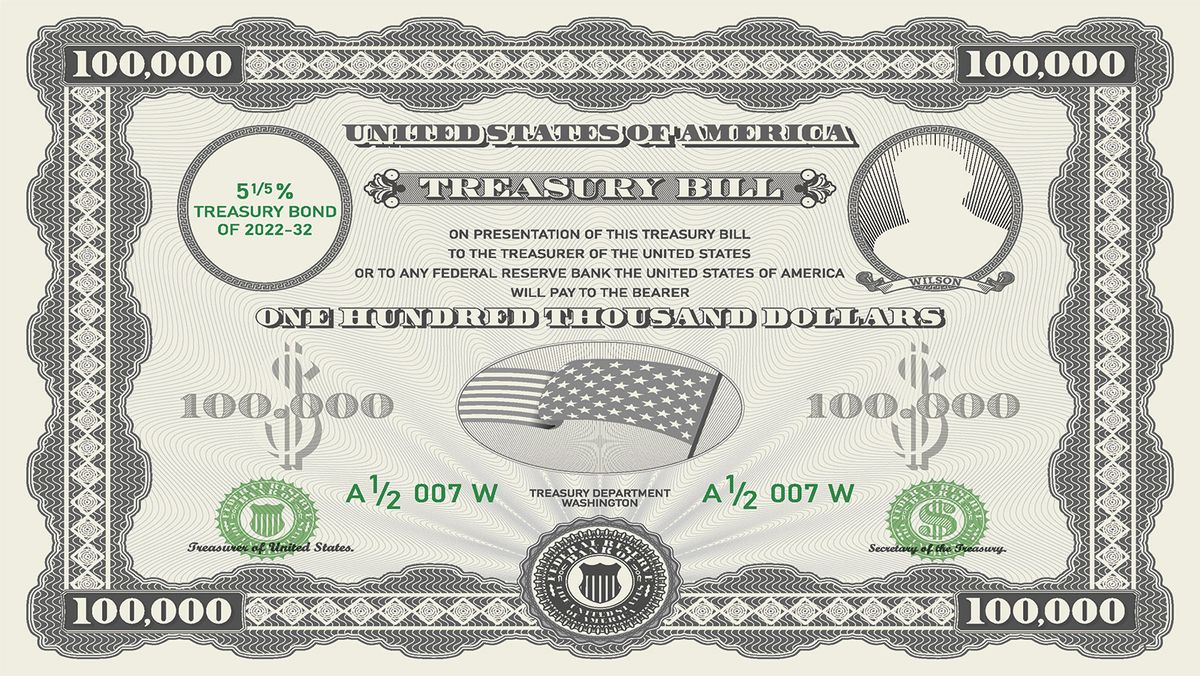

Federal Reserve T-bills play a crucial role in the landscape of modern finance, reflecting the central bank’s strategies in managing the nation’s economic health. As part of its monetary policy, the Federal Reserve engages in T-bill purchases to maintain ample reserves within the financial system, especially in times of fluctuating short-term financing costs. Recent Treasury bills news highlighted the Fed’s decision to inject over $200 billion in reserves through these purchases, which are set to unfold over the next year. Initially, the central bank plans to acquire around $40 billion each month, a move aimed at stabilizing the economy and ensuring liquidity. Understanding the implications of such central bank actions is vital for investors and stakeholders alike, as it directly influences market dynamics and interest rates.

Treasury bills, often referred to as T-bills, are short-term government debt securities that present an effective tool for the Federal Reserve to influence monetary conditions. As the central bank maneuvers its policy through strategic debt acquisitions, the implications on financial system reserves become increasingly significant. Recent developments in the arena of Treasury bills highlight how policymakers are responding to economic indicators, including shifts in financing costs. By implementing a structured approach to T-bill purchases, the Federal Reserve aims to bolster liquidity and provide stability to the markets. This proactive strategy is essential for understanding how the central bank navigates economic challenges and maintains a balanced financial landscape.
Understanding the Federal Reserve’s T-Bill Purchases
The Federal Reserve’s recent decision to purchase Treasury bills (T-bills) marks a significant shift in its monetary policy strategy. With the aim of managing financial system reserves amidst changing economic conditions, the central bank has signaled its commitment to infusing liquidity into the market. The initial commitment of $40 billion per month in T-bill acquisitions indicates the Fed’s proactive approach to support the economy, especially following data suggesting that reserves had dropped to a ‘sufficient’ level. This move is not just about injecting money; it’s about stabilizing short-term financing costs and ensuring that the financial system can meet its obligations.
Furthermore, the rationale behind these T-bill purchases lies in the Federal Reserve’s broader monetary policy objectives. As financial markets experienced volatility, the central bank’s action serves as a buffer, providing necessary reassurance to investors and institutions alike. The planned gradual reduction in purchasing reflects a measured approach to tapering these actions, helping to navigate the delicate balance between stimulating the economy and preventing excessive inflation.
The Implications of Federal Reserve Monetary Policy
The implications of the Federal Reserve’s monetary policy, particularly in relation to T-bill purchases, extend beyond immediate liquidity provisions. By injecting over $200 billion into the financial system, the Fed aims to counteract the pressures on short-term financing and foster a more stable economic environment. Such central bank actions are pivotal during periods of uncertainty when market confidence may wane, allowing institutions to maintain operational stability. Increased T-bill purchases also indicate a broader strategy of utilizing government securities to bolster investor confidence and stimulate borrowing.
Moreover, the influence of such monetary policy decisions reverberates through various sectors of the economy. As T-bills are considered low-risk investments, heightened demand ensures that interest rates remain low, which in turn encourages lending. The sustained purchasing of Treasury bills allows the Federal Reserve to keep its tools ready for potential economic challenges ahead, reinforcing the need for vigilance amidst ever-shifting financial landscapes.
Monitoring the Financial System Reserves
The state of financial system reserves is crucial for understanding the health and stability of the economy. The Federal Reserve’s assessment that reserves had reached a ‘sufficient’ level reflects an ongoing evaluation of liquidity in the financial markets. This determination shapes policy responses, with T-bill purchases being an immediate measure to bolster reserves and ensure that banks have sufficient funds to meet their lending obligations. Higher reserve levels reduce the likelihood of financial strain, which can translate into more robust economic growth.
In addition to the direct effects on financial institutions, monitoring the financial system reserves provides insight into the efficacy of the central bank’s monetary policy. If reserves are consistently tracked close to required levels, it allows the Federal Reserve to adjust its strategy proactively, whether through T-bill purchases or other means. By maintaining open channels of communication regarding reserve levels, the Fed cultivates transparency and instills investor confidence, which is essential for market resilience.
Recent Treasury Bills News and Trends
Recent news surrounding Treasury bills (T-bills) has underscored the Federal Reserve’s strategic role in influencing financial markets. With the planned $40 billion monthly purchases of T-bills, the Fed is making headlines as it works to manage economic challenges and maintain stability. Investors are keenly watching these developments, as they can impact yield curves and dictate investment strategies. In light of the ongoing economic fluctuations, understanding the latest trends in T-bills is essential for making informed financial decisions.
Moreover, fluctuations in T-bill demand often reflect broader trends in the market. As the Federal Reserve continues its policy of buying T-bills, the implications for both institutional investors and individual savers are significant. Increased demand can often lead to lower yields, prompting investors to reassess their portfolios. Keeping abreast of Treasury bills news can help market participants navigate these changes and adapt their investment approaches accordingly.
The Federal Reserve’s Approach to Economic Stability
The Federal Reserve’s recent actions highlight its commitment to economic stability amidst fluctuating market conditions. With the ongoing T-bill purchases, the central bank is positioned as a stabilizing force, actively addressing any potential liquidity constraints in the economy. This proactive approach not only helps in enhancing the reserve levels within the financial system but also supports broader economic initiatives designed to maintain growth.
Moreover, the targeted T-bill purchases illustrate the Federal Reserve’s willingness to adjust its policies in response to economic indicators. By carefully balancing its monetary strategies, the Fed strives to avoid potential pitfalls while fostering an environment conducive to growth. Such flexibility is essential in a dynamic economic landscape, ensuring that monetary policy remains effective and relevant.
Analyzing Central Bank Actions and Market Reactions
The actions taken by central banks, such as the Federal Reserve, are closely monitored by financial markets. The recent decision to purchase T-bills signals an anticipated shift in the monetary landscape, prompting a ripple effect across various sectors. Market participants analyze these actions meticulously, as they provide critical indicators of the Fed’s economic outlook and policy direction. Acknowledging market reactions to these central bank decisions is vital for investors seeking to adjust their strategies in real-time.
Moreover, understanding how central bank actions, like the purchasing of Treasury bills, influence market behavior can help bolster investment strategies. By recognizing that T-bill purchases are aimed at stabilizing financial reserves, investors can anticipate shifts in interest rates and overall market sentiment. Being attuned to these central bank dynamics ultimately equips investors with the knowledge necessary to navigate the complex financial landscape.
Navigating Short-Term Financing Costs Amidst Policy Changes
The Federal Reserve’s recent T-bill purchases are not merely about injecting liquidity; they are also a direct response to rising short-term financing costs. As these costs fluctuate, the central bank has the daunting task of managing inflationary pressures while maintaining economic stability. The decision to buy T-bills serves as a strategic maneuver to counteract the effects of increasing financing costs, providing a safety net for financial institutions.
Navigating through policy changes and their impact on short-term financing costs requires astute awareness from stakeholders in the financial markets. As the Fed commits to its $40 billion monthly T-bill purchase plan, it is concurrently managing the economic implications of these costs. The delicate interplay between central bank actions and market responses underscores the importance of strategic planning in financial dealings, particularly for institutions heavily reliant on short-term financing.
Future Prospects of Treasury Bills in the Financial Market
As the Federal Reserve implements its purchasing strategy for Treasury bills, the future prospects of T-bills appear promising, particularly in an uncertain economic climate. These government securities are often viewed as a safe haven during market volatility, and with increasing purchases, their demand is likely to rise. Investors are likely to gravitate towards T-bills, as they offer an avenue of security amidst fluctuating market conditions.
Looking ahead, the trajectory of T-bills will depend heavily on the Federal Reserve’s continued positioning and its responses to economic indicators. Should finances stabilize and inflationary concerns recede, the Fed may adapt its purchasing strategy, possibly tapering down its T-bill acquisitions. Nevertheless, as long as the Fed maintains its commitment to managing reserves effectively, T-bills will remain a critical component of the financial market landscape.
Assessing the Impact of Federal Reserve Actions on Investors
The actions of the Federal Reserve have far-reaching implications for investors navigating the financial landscape. The decision to purchase Treasury bills is a significant indicator of the Fed’s assessment of the economy, and it directly impacts investor confidence. As the central bank maneuvers through various economic pressures, understanding the rationale behind its actions can help investors make informed decisions regarding their portfolios.
Additionally, the Federal Reserve’s moves, such as the T-bill purchases, set the tone for market trends and can shape investment strategies. Investors must remain vigilant, as shifts in monetary policy can lead to corresponding changes in market dynamics. By evaluating the impact of Federal Reserve actions, investors can better position themselves to optimize returns and mitigate risks in an ever-evolving financial environment.
Frequently Asked Questions
What are Federal Reserve T-bills and why are they important?
Federal Reserve T-bills, or Treasury bills, are short-term government securities issued by the U.S. Department of the Treasury to help manage the country’s debt. These instruments are crucial for the Federal Reserve’s monetary policy as they allow the central bank to influence interest rates and control financial system reserves.
How does the Federal Reserve’s purchasing of T-bills impact monetary policy?
The Federal Reserve’s purchasing of T-bills directly impacts monetary policy by increasing the money supply in the economy. By acquiring approximately $40 billion in T-bills each month, the Fed aims to stabilize short-term financing costs and ensure sufficient reserves in the financial system.
What recent actions has the Federal Reserve taken regarding T-bill purchases?
Recently, the Federal Reserve has announced plans to purchase T-bills as a response to declining reserve levels in the financial system. In the current month alone, the Fed has purchased around $38 billion in T-bills, highlighting ongoing efforts to support monetary policy and ensure liquidity.
Why did the Federal Reserve decide to purchase T-bills at this time?
The Federal Reserve decided to purchase T-bills after identifying that reserve levels in the financial system had fallen to a ‘sufficient’ level, indicated by rising short-term financing costs. This proactive approach aims to manage reserves more effectively and mitigate potential liquidity issues.
What can we expect from the Federal Reserve’s T-bill purchases in the coming months?
Expectations indicate that the Federal Reserve will continue its T-bill purchases to manage reserves effectively and respond to market conditions. The central bank is anticipated to reduce the purchasing scale gradually, adjusting its strategy based on economic indicators and financial system needs.
How do Treasury bills influence the financial system’s reserves?
Treasury bills influence financial system reserves by providing a safe asset for banks to hold, which can help alleviate liquidity concerns. When the Federal Reserve purchases T-bills, it injects cash into the banking system, thereby enhancing reserves and facilitating smoother financial operations.
What are the implications of T-bill purchases for everyday consumers?
The implications of Federal Reserve T-bill purchases for everyday consumers include potentially lower interest rates on loans and mortgages due to the increased money supply. Additionally, these actions can help stabilize the economy, which benefits consumers through job creation and economic growth.
| Key Point | Details |
|---|---|
| Survey Findings | Respondents expect the Fed’s actions to manage reserves to exceed $200 billion within the next year. |
| Reserve Level Determination | The Fed found that reserve levels had fallen to a ‘sufficient’ level, indicated by rising short-term financing costs. |
| T-bill Purchases | The Fed has decided to begin purchasing T-bills, starting with $40 billion each month and reducing the scale gradually. |
| Recent Purchases | Approximately $38 billion in T-bills have been purchased so far this month. |
Summary
Federal Reserve T-bills are a crucial tool in the central bank’s strategy to manage liquidity in the financial system. By initiating T-bill purchases, the Federal Reserve aims to stabilize reserve levels and respond to prevailing financing costs, ensuring a healthier economic environment. The expectation of a $200 billion impact from these purchasing actions and the ongoing commitment to gradually scale these purchases underline the Fed’s proactive approach to monetary policy.