

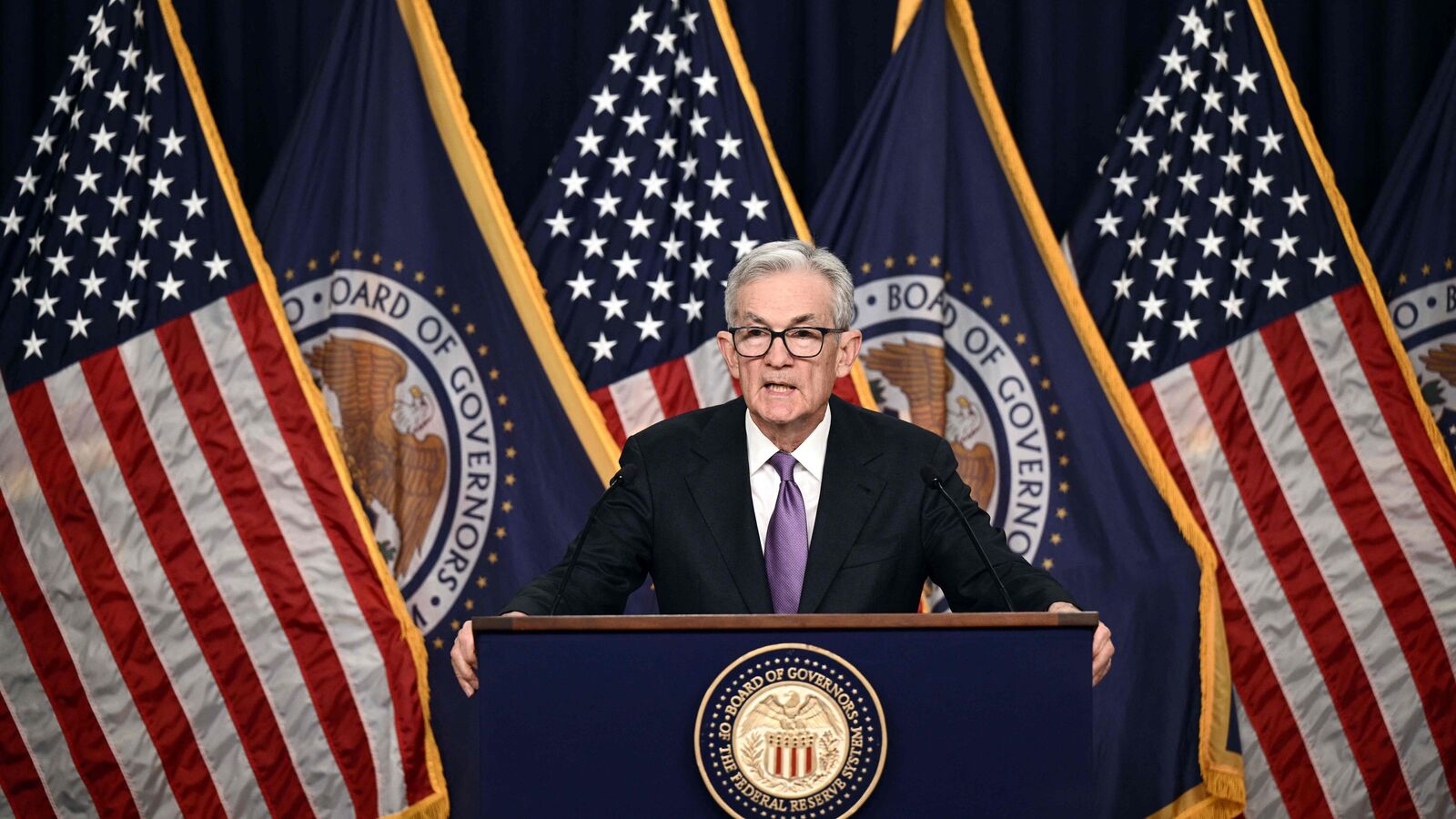

The release of the Federal Reserve meeting minutes is a highly anticipated event that can significantly influence financial markets. Following their publication, we witnessed subtle movements in commodity prices, with spot gold and silver showing minimal short-term fluctuations, while the dollar index DXY experienced a slight increase. Analysts closely scrutinize these minutes for insights into the central bank’s monetary policy direction, especially regarding inflation rates. A shift in the Fed’s stance can provoke reactions in both the silver market and gold prices, as investors adjust their strategies based on perceived risks and opportunities. Understanding these dynamics is essential for anyone looking to navigate the complex landscape of financial markets.

The Federal Reserve’s meeting notes offer valuable perspectives on the central bank’s policy considerations and economic outlook. Often referred to as the Fed minutes, these documents provide a record of discussions among policymakers regarding interest rates and their potential effects on inflation and market stability. Participants’ views on monetary adjustments can drive fluctuations across various assets, including precious metals like gold and silver, as well as impacting indicators such as the dollar index. Investors and economists alike analyze this information to predict future trends in both the market and broader economic conditions. With inflation trends being a crucial element of these discussions, the implications of the Fed’s decisions ripple throughout financial ecosystems.
Impact of Federal Reserve Meeting Minutes on Market Dynamics
The release of the Federal Reserve meeting minutes often acts as a pivotal moment for various financial markets, specifically impacting commodities like gold and silver. Following the latest announcement, spot gold and silver exhibited only minor fluctuations, indicating a period of consolidation in the precious metals market. Investors were on high alert for any suggestions regarding future monetary policy changes, particularly in relation to inflation rates, which could sway market volatility. Despite gold and silver maintaining stability, the market was rife with anticipation, as even slight mentions of easing or tightening monetary policy can send prices spiraling.
Interestingly, after the Federal Reserve meeting minutes were released, the dollar index DXY saw a slight uptick, reflecting a strong sentiment among investors that the Fed’s messages could still lead to a stronger dollar in the long run. This relationship between the dollar index and precious metals is critical; typically, when the DXY rises, gold prices experience downward pressure, as gold becomes more expensive in dollar terms. Therefore, the nuanced shifts in policy depicted in the Fed minutes can hold substantial implications for both currency dynamics and the silver market.
Analyzing Recent Trends in Gold and Silver Prices
In the aftermath of the Federal Reserve meeting minutes, the precious metals market has remained relatively stable, even amid fluctuating economic indicators. The minute’s insights into future monetary policy and inflation adjustments are crucial for traders and investors in gold and silver. As inflation rates become a focal point of discussions, any signs of a potential rate cut can incentivize buying in gold and silver as a hedge against currency devaluation. Market participants are closely monitoring these developments, looking for opportunities that can arise from future shifts in Federal Reserve policies.
Moreover, the ongoing influence of geopolitical events on gold and silver prices cannot be understated. With inflation concerns persisting, central banks globally, including the Federal Reserve, are navigating the delicate balance of monetary policy adjustments. If signs show that inflation rates are likely to decelerate, we may witness a response from the Federal Reserve that may ease monetary policy, fueling further interest in precious metals as safe-haven assets. Thus, investors need to assess how these elements interplay, taking cues from the latest Federal Reserve meeting minutes while also remaining alert to broader market trends.
The Relationship Between Dollar Index and Precious Metals
The dollar index DXY is a crucial barometer for understanding the health of the U.S. dollar in comparison to a basket of foreign currencies. After the Federal Reserve meeting minutes, this index experienced a slight increase, which often has an inverse relationship with precious metals like gold and silver. When the dollar becomes stronger, it typically leads to lower demand for these metals, as they are priced in dollars. This is particularly pertinent for investors aiming to understand market dynamics and potential price movements in commodities.
However, it’s essential to recognize that the relationship is not entirely straightforward. Factors such as inflation rates and shifts in monetary policy can alter the interdependencies between the dollar index DXY and precious metals. For instance, if the Federal Reserve signals a hawkish stance and inflation is perceived to be under control, it could strengthen the dollar and simultaneously suppress gold prices. Conversely, if inflation rates surge unexpectedly, the market may react differently, causing a rally in gold and silver despite a strong dollar, highlighting the complexity of these financial relationships.
Forecasting Inflation Rates and Their Effects on Gold Investment
The Federal Reserve meeting minutes indicate a cautious optimism among participants regarding inflation rates and future monetary policy adjustments. As inflation remains a key concern for global economies, any signals from the Fed regarding potential easing can significantly alter the landscape for gold investments. Investors should keenly analyze inflation forecasts, as higher inflation typically results in increased demand for gold, perceived as a reliable store of value during economic uncertainties. Therefore, close observations of future Fed policies and their impact on inflation will be vital for investment strategies.
Moreover, as we approach potential shifts in monetary policy, it becomes essential to monitor market sentiment surrounding these inflation rates. If inflation appears to rise once more or if the Fed hints at more aggressive cuts to interest rates, it could catalyze a bullish trend in gold prices, attracting more investment into the precious metals space. The nuanced combinations of monetary policy, inflation forecasts, and investor sentiment create a complex web that can influence gold prices dramatically.
Understanding Monetary Policy and Its Influence on Silver Prices
Monetary policy decisions by the Federal Reserve play a significant role in shaping market perceptions and ultimately the prices of silver and other precious metals. With the recent signals indicating that further easing might be appropriate if inflation rates decline, investors need to consider how such shifts influence silver prices specifically. Silver, often regarded as a more volatile commodity compared to gold, reacts swiftly to changes in monetary policy, which makes it a strategic asset for traders seeking to capitalize on short-term movements.
In addition, the silver market is also uniquely positioned due to its industrial applications, which adds another layer of complexity when analyzing its price movements in relation to monetary policy. If the Fed confirms that it intends to ease rates, we could see an uptick in demand for silver as an investment, spurred by both its status as a precious metal and its industrial uses. Accordingly, grasping the full impact of the Federal Reserve’s monetary policy decisions will be key for investors looking to navigate the silver market effectively.
Key Insights from the Federal Reserve Meeting Minutes
The insights derived from the Federal Reserve meeting minutes provide valuable context for current market conditions and future expectations. Recent summaries reveal a significant division among participants regarding the best course of action to manage inflation and interest rates. A notable point was made concerning the potential misinterpretation of further rate cuts, which might suggest a lenient approach to maintaining the 2% inflation target. This subtlety is critical for both policy analysts and investors who are keen to grasp the Fed’s intentions moving forward.
Understanding these dynamics hinges on recognizing that each policymaker’s perspective can influence market sentiment in different ways. As traders digest this information, the implications spread into various other markets, affecting everything from the dollar index DXY to the prices of gold and silver. Thus, analyzing these meeting minutes not only highlights the internal discussions of the Fed but also serves as a predictive tool for market participants trying to gauge the future economic landscape.
Implications of Rate Cuts on Financial Markets
Rate cuts from the Federal Reserve generally have wide-reaching implications for financial markets, often leading to increased investment in both equities and precious metals such as gold and silver. The anticipation around potential ease can create a favorable environment for asset appreciation, where reduced borrowing costs may incentivize spending and investments. Following the latest meeting minutes indicating support for rate cuts, traders are closely monitoring market reactions to gauge whether such measures effectively stimulate economic growth or merely reflect underlying inflationary pressures.
Moreover, the prospect of lowered rates typically leads to a depreciation of the dollar index DXY, benefiting commodities priced in dollars like gold and silver by making them cheaper for foreign investors. Therefore, understanding the interconnectedness of rate cuts, inflation rates, and dollar strength will be integral for investors navigating the evolving landscape of financial markets. As we continue into a period of potential monetary easing, the floodgates for investment opportunities in precious metals may open wider.
Monitoring Economic Indicators Amidst Fed Policy Changes
In the context of evolving Federal Reserve policies, monitoring key economic indicators becomes paramount. Inflation rates coupled with employment numbers and GDP growth will signal the overall economic health, guiding the Fed’s decisions on monetary policy. With the latest release of the Federal Reserve meeting minutes, economic participants are trying to dissect how these indicators will influence future interest rates. The interplay between positive economic outputs and the Fed’s commitment to its inflation target is pivotal for both market strategists and investors.
As economic indicators shift, so too do the investment narratives predominant within the markets. For instance, if indicators suggest burgeoning inflation as noted in the meeting minutes, it may prompt a swift reaction in both the dollar index DXY and precious metal prices. Investors who remain attuned to these developments will find strategic advantages as they align their portfolios with anticipated monetary policy changes. Thus, staying updated on economic indicators amidst Fed policy changes remains critical for navigating the current financial landscape.
Investment Strategies Post Federal Reserve Meeting Minutes
The release of the Federal Reserve meeting minutes calls for a strategic reassessment among investors, particularly those engaged in commodities like gold and silver. These documents provide a glimpse into the Fed’s thought processes and convey the nuances of their monetary policy outlook, allowing savvy investors to position themselves accordingly. As market actors digest the information within these minutes, opportunities may arise in gold and silver as investors seek to hedge against potential inflation or dollar fluctuations.
Additionally, crafting a robust investment strategy necessitates a focus not only on the immediate reactions to the Federal Reserve’s announcements but also on long-term projections regarding economic health and monetary conditions. Investors must balance their portfolios by weighing the risks and opportunities presented by changing policies, as evidenced in the discussions around inflation rates and the dollar index DXY. By continuously evaluating these factors, investors can strategically position themselves in the market and potentially capitalize on fluctuations in commodity prices.
Frequently Asked Questions
How do Federal Reserve meeting minutes impact gold prices?
Federal Reserve meeting minutes can significantly influence gold prices. After their release, gold often experiences fluctuations based on insights into monetary policy and inflation rates discussed in the minutes. For instance, the recent minutes indicated a potential easing of monetary policy if inflation decreases, leading to speculation about future gold demand.
What effect did the latest Federal Reserve meeting minutes have on the dollar index DXY?
The latest Federal Reserve meeting minutes led to a slight increase in the dollar index DXY, reflecting market reactions to anticipated changes in monetary policy. Traders often adjust their positions on the dollar based on insights gleaned from these minutes, particularly regarding inflation rates and interest rate adjustments.
Are silver market fluctuations affected by Federal Reserve meeting minutes?
Yes, fluctuations in the silver market can be influenced by Federal Reserve meeting minutes. Insights regarding inflation rates and monetary policy shifts often lead to price adjustments in silver, similar to gold. For example, if the minutes suggest a future easing of monetary policy, demand for silver may rise amid investor speculation.
What do Federal Reserve meeting minutes indicate about future monetary policy?
Federal Reserve meeting minutes provide crucial insights into the perspectives of policymakers regarding future monetary policy. They often contain discussions on inflation rates and potential rate adjustments. For instance, the recent minutes highlighted that many participants believe further easing of monetary policy would be justified if inflation declines, suggesting a more accommodative stance ahead.
How do Federal Reserve meeting minutes reflect on inflation rates?
Federal Reserve meeting minutes reflect the Committee’s assessment of inflation rates and their goals for monetary policy. In the recent release, the focus was on the balance between rate cuts and maintaining the 2% inflation target, indicating the Fed’s cautious approach towards inflation management amidst changing economic conditions.
| Key Point | Details |
|---|---|
| Impact on Gold and Silver | Spot gold and silver showed little short-term fluctuation after the meeting minutes were released. |
| Dollar Index Movement | The dollar index (DXY) experienced a slight increase following the announcement of the meeting minutes. |
| Majority Opinions on Rates | Most participants at the meeting believe that a reduction in rates would be justified if inflation declines. |
| Concerns about Rate Cuts | Some members expressed concerns that additional rate cuts could be perceived as undermining the commitment to the 2% inflation goal. |
| Stability of Rates Post-Cut | Participants indicated that maintaining stable rates for a period after a potential December rate cut might be prudent. |
| Consensus on December Rate Cut | A majority of the participants supported a rate cut in December. |
Summary
The Federal Reserve meeting minutes reveal critical insights into the central bank’s thoughts regarding future monetary policy. The discussion highlights that while spot gold and silver remained relatively stable short-term, the dollar index saw a slight uptick. Moreover, a significant number of participants expressed that if inflation trends downwards, further rate cuts may be deemed necessary, although some cautioned against possible misinterpretations of such actions. Overall, the meeting underscored a consensus toward potential rate easing, setting a crucial tone for financial markets moving forward.
Related: More from Market Analysis | Earnings season is wrapping up with a mixed bag of results across | Polymarket Bet Fails to Catch Insider Traders