


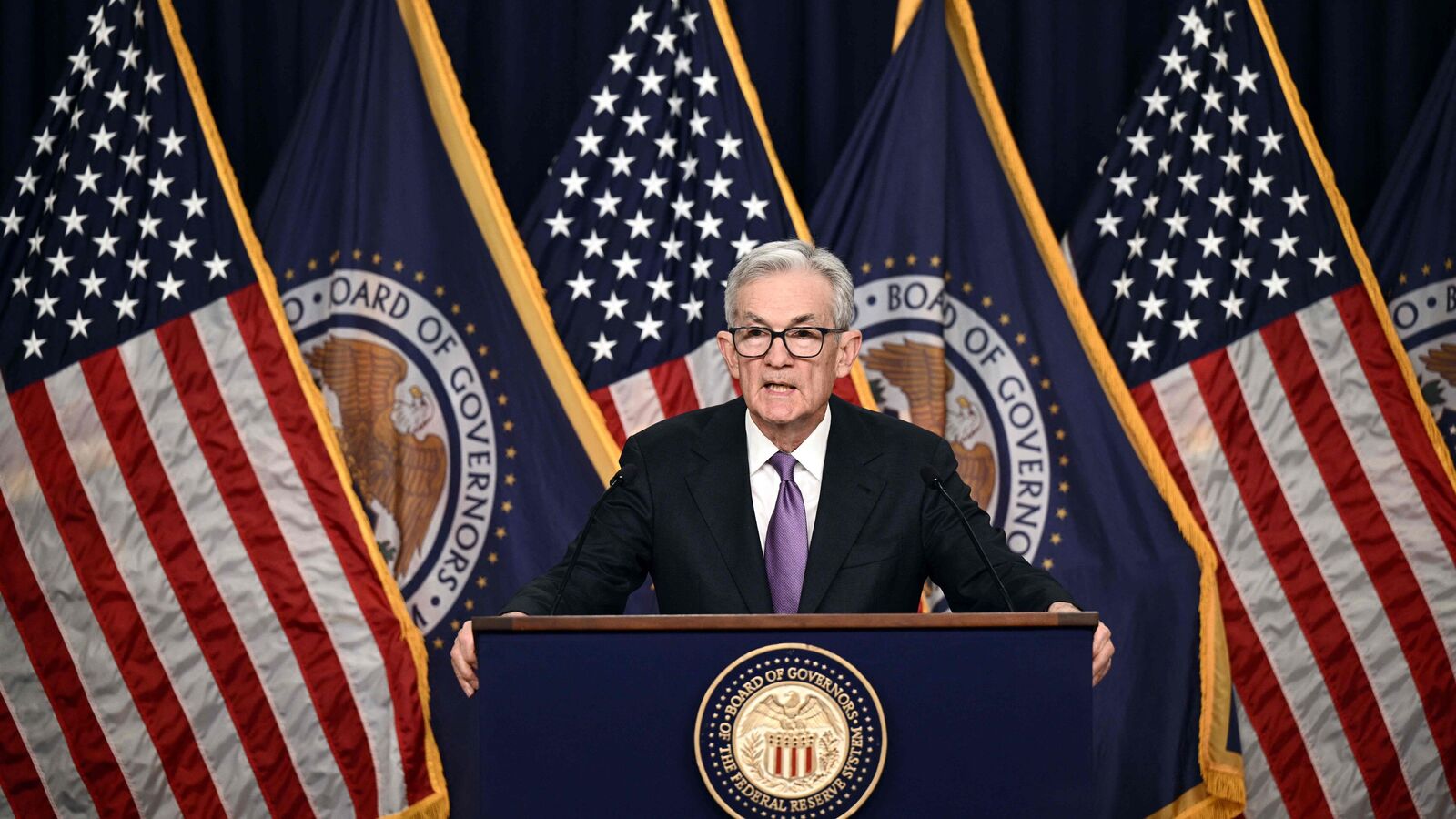

The **Federal Reserve Meeting Minutes** provide critical insights into the central bank’s policy decisions and economic outlook, significantly affecting financial markets. As discussions unfold within these minutes, the focus often shifts towards the potential easing of monetary policy, particularly in response to the ongoing inflation impact. With fluctuations in interest rates being a vital consideration, the minutes clarify the Federal Reserve’s stance on necessary adjustments to promote stable growth. Understanding these meeting notes helps investors and economists gauge future Federal Reserve decisions that shape the overall economic landscape. Thus, analyzing the implications of the meeting minutes is essential in forecasting market movements and strategizing investment approaches.

The detailed transcripts from the Federal Reserve’s discussions, often referred to as the central bank’s meeting notes, serve as a window into their economic strategy. Participants analyze potential adjustments to their financial policies by evaluating inflation trends and the overall economic environment. The implications of these discussions, particularly regarding interest rate adjustments, are pivotal for market analysts seeking insights into future Federal Reserve actions. As analysts delve into the impacts of these meetings, they uncover the delicate balance the bank must maintain to ensure a stable economic recovery. These notes not only illuminate immediate monetary policy considerations but also reflect broader economic forecasts that are essential for all stakeholders in the financial sector.
Understanding the Implications of Federal Reserve Meeting Minutes
The Federal Reserve Meeting Minutes serve as a critical tool for investors and economists who seek to decipher the decision-making process of one of the most influential financial institutions in the world. In the recent minutes, there is a clear sentiment among participants advocating for the potential easing of monetary policy. This underscores the importance of keeping a vigilant watch on inflation trends, as any consistent decline could trigger a shift in interest rates, making financial conditions more accommodative.
As the minutes indicate, a majority of participants are conditioned to respond to inflation diminishing over time. Such insights are essential for understanding the Federal Reserve’s future decisions regarding economic stimulus. Easing monetary policy could lead to lower interest rates, which in turn could provide a boost to spending and investment, ultimately shaping the broader economic outlook.
The Impact of Inflation on Federal Reserve Decisions
Inflation is a pivotal concern for the Federal Reserve, directly influencing their policies concerning interest rates and economic strategy. Participants in the recent meeting unanimously acknowledged that sustained low inflation could warrant a shift towards easing monetary policy. This reflects an overarching trend where the central bank seeks to balance inflation rates with economic growth, striving to maintain price stability while also stimulating demand.
The relationship between inflation and Federal Reserve decisions cannot be understated. A decrease in inflation could indicate that the economy is slowing down, prompting policymakers to consider adjustment strategies such as lowering interest rates. By examining the minutes, stakeholders can gauge how such inflationary measures will impact future economic outlooks and guide their financial portfolios accordingly.
The Road Ahead: Interest Rates and Economic Outlook Post-Meeting Minutes ,
The economic outlook presented in the Federal Reserve Meeting Minutes reveals critical information regarding the anticipated trajectory of interest rates. As policymakers evaluate the conditions of inflation, the data suggests that there may be a forthcoming decision concerning monetary policy easing. Lowering interest rates could act as a catalyst for economic recovery, encouraging consumer spending and business investments.
In light of the recent discussions, stakeholders must stay informed regarding any shifts in the Fed’s approach to interest rates. The potential easing of monetary policy aims to support economic growth, especially if inflation shows signs of retreating. Understanding these dynamics is crucial for investors, businesses, and economists, as they can effectively navigate the financial landscape shaped by these strategic decisions.
Monetary Policy Easing: What it Means for Investors
For investors, the potential easing of monetary policy as discussed in the Federal Reserve Meeting Minutes presents both challenges and opportunities. When the Fed signals a readiness to lower interest rates, it generally makes borrowing cheaper, benefiting sectors like real estate and consumer products. Investors should consider how such changes might impact their investments, as a more accommodative monetary policy can lead to increased market confidence and higher asset prices.
However, it is essential to remain cautious, as lower interest rates can also lead to fears of inflation eventually rising again. Thus, analyzing the implications of monetary policy easing involves understanding not just immediate market reactions but also the longer-term economic outlook. As such, astute investors will closely monitor inflation rates and Federal Reserve actions to develop strategies that perform well under varying economic conditions.
Examining the Federal Reserve’s Economic Outlook
The Federal Reserve’s economic outlook reflects the institution’s assessment of future economic conditions, a crucial topic highlighted in the Meeting Minutes. Participants are increasingly considering factors such as GDP growth, employment levels, and key inflation indicators. These elements critically shape their understanding of when and how to make any adjustments to monetary policy.
The current economic outlook presented by the Fed suggests a proactive approach to potential downturns. With many budgetary implications stemming from the economic health of the nation, discussions among participants point toward readiness to consider easing monetary policy should the economic indicators reflect a slowdown or persistent decline in inflation.
Inflation and Its Consequences for Economic Growth
Inflation has a dual role in the economy, acting as a potential barrier to growth while also signaling healthy market activity. Policymakers at the Federal Reserve have frequently pointed out that sustained inflation rates above their target can lead to restrictive monetary policy, negatively affecting economic growth. In contrast, if inflation trends downward, it can lead to discussions around monetary policy easing, subject to alignment with overall economic conditions.
Understanding how inflation impacts economic growth is essential for designing effective economic strategies. If inflation is allowed to fall significantly, it may lead to lowered interest rates, potentially creating an environment conducive to expansion. Thus, the ability for stakeholders to predict inflation trends is vital for preparing for future growth or recession scenarios in the economic landscape.
The Importance of Monitoring Interest Rate Changes
Monitoring interest rates is crucial for anyone involved in financial markets, as these rates directly affect investment decisions, consumer spending, and overall economic health. Following the recent Federal Reserve Meeting Minutes, where a consensus emerged on the need for possible monetary policy easing, it becomes imperative to watch how potential changes in interest rates could unfold. Lower rates may signal growth prospects, leading investors to recalibrate their portfolios accordingly.
Changes in interest rates can have far-reaching effects, impacting everything from mortgage rates to corporate borrowing costs. For instance, a drop in rates may spur lending and investment, driving economic activity upward. Therefore, understanding the context and implications of these adjustments, as outlined in the Federal Reserve’s discussions, is essential for making informed financial decisions.
Evaluating Monetary Policy Tools Available to the Federal Reserve
The Federal Reserve possesses a variety of monetary policy tools to influence economic activity, primarily through adjustments in interest rates and reserve requirements. In the latest Meeting Minutes, discussions revolved around the necessity of these tools, particularly in light of inflation’s fluctuating nature. A strategic approach might include implementing policy easing to stimulate an economy struggling to meet growth targets.
These tools are instrumental in shaping the economic landscape, and it is crucial for stakeholders to understand their implications. Carefully considered adjustments can stimulate investment and consumer spending, ultimately affecting inflation and interest rates. Therefore, analyzing the Fed’s strategies is vital for gauging the future direction of the economy and crafting appropriate investment responses.
The Role of Economic Indicators in Federal Reserve Decisions
Economic indicators serve as a foundational data source for the Federal Reserve’s monetary policy decisions. Participants in the recent meeting noted that key indicators, such as inflation rates and unemployment figures, remain on their radar as they consider future strategies for policy easing. The importance of these indicators underscores the necessity for stakeholders to remain informed on economic trends that could sway the Fed’s decisions.
Attention to economic indicators can provide insights into potential shifts within the Federal Reserve’s approach. For example, if inflation rates show a sustained decrease, it may lead to more aggressive easing of monetary policy strategies, impacting interest rates and overall economic growth. As such, staying informed about these critical economic signals is paramount for anyone wishing to navigate their financial future effectively.
Conclusion: Anticipating the Federal Reserve’s Next Moves
In conclusion, the recent insights from the Federal Reserve Meeting Minutes provide essential foresight into the institution’s potential policy shifts. Participants exhibited a strong inclination towards easing monetary policies should inflation rates decline, indicating a readiness to adapt to changing economic conditions. As the Fed navigates these circumstances, stakeholders must remain vigilant and informed.
Anticipating the Federal Reserve’s future moves relies heavily on understanding the interconnections between inflation, interest rates, and economic health. Employing a strategic approach that considers these variables will empower investors, businesses, and economists alike to better prepare for the evolving financial landscape.
Frequently Asked Questions
What are the implications of the Federal Reserve Meeting Minutes for interest rates?
The Federal Reserve Meeting Minutes indicate that if inflation declines over time, further monetary policy easing may be appropriate. This suggests that interest rates could be lowered to stimulate economic growth.
How do the Federal Reserve Meeting Minutes reflect the economic outlook?
The Federal Reserve Meeting Minutes provide insights into the economic outlook, revealing that participants are adjusting their strategies based on current inflation trends and the potential need for monetary policy easing.
What impact do the Federal Reserve Meeting Minutes have on monetary policy decisions?
The Federal Reserve Meeting Minutes can significantly influence monetary policy decisions as they outline the consensus among participants on inflation and interest rates, guiding future actions to ensure economic stability.
How is inflation addressed in the Federal Reserve Meeting Minutes?
In the Federal Reserve Meeting Minutes, inflation is a central topic, with the majority of participants believing that easing monetary policy may be necessary if inflation continues to decrease.
Why are the Federal Reserve Meeting Minutes important for understanding interest rates?
The Federal Reserve Meeting Minutes are crucial for understanding interest rates as they summarize discussions on monetary policy easing and inflation impacts, which are key factors affecting interest rate decisions.
| Key Point | Details |
|---|---|
| Monetary Policy Easing | Participants agree on easing if inflation decreases. |
| Inflation Monitoring | The decision hinges on tracking inflation trends over time. |
Summary
In the recent Federal Reserve Meeting Minutes, it was highlighted that the majority of participants support the notion that if inflation shows signs of declining, further easing of monetary policy may be pursued. This indicates a proactive approach by the Federal Reserve to adapt to potential changes in the economic landscape, emphasizing the importance of careful inflation monitoring in future policy decisions.