


Federal Reserve interest rates are a crucial component of the U.S. economy, influencing everything from consumer borrowing to corporate investments. In a recent update, J.P. Morgan has adjusted their outlook, now predicting no cuts to these critical rates in 2026, which contrasts with earlier expectations of a 25 basis point reduction. Meanwhile, forecasters anticipate that the Federal Reserve may implement a rate hike of 25 basis points by the third quarter of 2027. This shift in expectations could significantly affect the broader economic landscape and individual financial decisions, marking a notable change in the economic outlook Fed. With such forecasts, understanding the implications of Federal Reserve interest rates is more important than ever for investors and consumers alike.

When discussing monetary policy, terms like bank rates and central bank benchmarks often come into play, shaping the financial strategies of both individuals and businesses. With the latest insights from J.P. Morgan, it appears the central bank will not be lowering rates in the near term, particularly through 2026. Instead, we may witness a tightening of policies, as expectations rise for an increase in central bank rates by late 2027. This evolving narrative around interest rates reflects broader economic trends and the Federal Reserve’s responsive measures to steer the economy towards stability. As we navigate through these complexities, grasping the nuances of interest rates and their potential impacts is vital for stakeholders across the spectrum.
The Shift in Interest Rate Predictions by J.P. Morgan
Recent forecasts from J.P. Morgan indicate a significant adjustment in their outlook for Federal Reserve interest rates. Initially, they projected a 25 basis point cut in rates by January 2026. However, the current assessment suggests that instead of a decrease, the Federal Reserve may implement a 25 basis point increase by the third quarter of 2027. This shift highlights the evolving economic conditions and the Fed’s strategy to navigate inflationary pressures and stimulate sustainable growth.
These adjustments reflect J.P. Morgan’s response to changing economic indicators and inflation forecasts. As markets react to varied growth rates across sectors, the unexpected anticipation of an interest rate hike demonstrates a potentially robust economic outlook. Investors and stakeholders should prepare for these developments as they impact borrowing costs, consumer spending, and overall economic health.
Future Projections: Interest Rates 2026 and Beyond
Looking ahead to 2026, analysts are reevaluating the economic landscape and the trajectory of interest rates. With J.P. Morgan projecting no cuts in sight from the Federal Reserve, stakeholders are beginning to consider alternative scenarios that could arise. This includes potential impacts on mortgage rates, auto loans, and other consumer financing options that directly correlate with the Federal Reserve’s policy decisions and interest rate changes.
Furthermore, as we extend our gaze to 2027, the possibility of a continued rise in interest rates could bring about significant shifts in the market dynamics. Higher interest rates may lead to increased costs for borrowing, affecting businesses and households alike. Consequently, remaining informed about these forecasts will be essential for effective financial planning and investment strategies.
Understanding the Federal Reserve Rate Hike
The Federal Reserve’s decision-making process regarding rate hikes is influenced by numerous economic indicators, including employment rates, inflation, and overall economic growth. With J.P. Morgan’s latest analysis signaling a potential raise in interest rates, market participants must consider how these shifts will influence not only consumer behavior but also business investment strategies. Rate hikes can often lead to increased borrowing costs, which may stifle growth, particularly in capital-intensive sectors.
Investors are urged to stay abreast of the Fed’s comments and reports about potential rate hikes. As interest rates rise, capital costs for companies increase, leading to strategic reevaluation of expansion projects and potential adjustments in stock valuations. Understanding the implications of Federal Reserve moves on interest rates is crucial for crafting informed investment portfolios.
The Economic Outlook from the Fed
The Federal Reserve’s economic outlook is closely monitored by both domestic and international markets. J.P. Morgan’s revised expectations highlight the complexities surrounding the Fed’s stance as it balances inflation targets with growth objectives. This balancing act plays a pivotal role in determining future interest rate adjustments and has ramifications for economic stability and growth.
As the Fed communicates its economic predictions, it becomes vital to consider how these will affect consumer confidence and spending. More optimistic outlooks may lead to increased investment and consumption, while cautious guidance could temper economic enthusiasm. The interplay between Fed communications and market reactions showcases the importance of understanding economic forecasts as derived from the Fed’s assessments.
Interest Rates in the Context of Inflation
Inflation remains a central topic of discussion concerning interest rates. J.P. Morgan’s revised forecast suggests that the Federal Reserve may act to control rising prices through rate hikes, which can influence consumer behavior and business investments. Understanding the relationship between interest rates and inflation is integral for predicting economic trends and adjusting financial strategies accordingly.
As inflation pressures persist, the Fed’s decision to potentially raise interest rates could signify an aggressive approach to managing economic growth. This could lead to fluctuating mortgage rates, changes in credit availability, and impacts on savings yields. For consumers and investors, being aware of these dynamics is essential for making informed financial decisions.
Impact of J.P. Morgan’s Interest Rate Forecast
J.P. Morgan’s recent forecast regarding interest rates carries significant implications for various market sectors. By shifting expectations from a potential cut to an increase in rates, J.P. Morgan underscores the uncertain economic landscape. Analysts are now challenged to reassess their strategies based on this outlook, considering how it might influence sectors such as real estate, manufacturing, and consumer goods.
Moreover, this forecast could trigger a cascade of reactions among investors and market players, leading to adjustments in stock prices and asset allocations. It emphasizes the importance of remaining adaptable in investment approaches, as anticipated changes in interest rates could significantly affect overall market performance.
Long-Term Interest Rate Trends to Watch
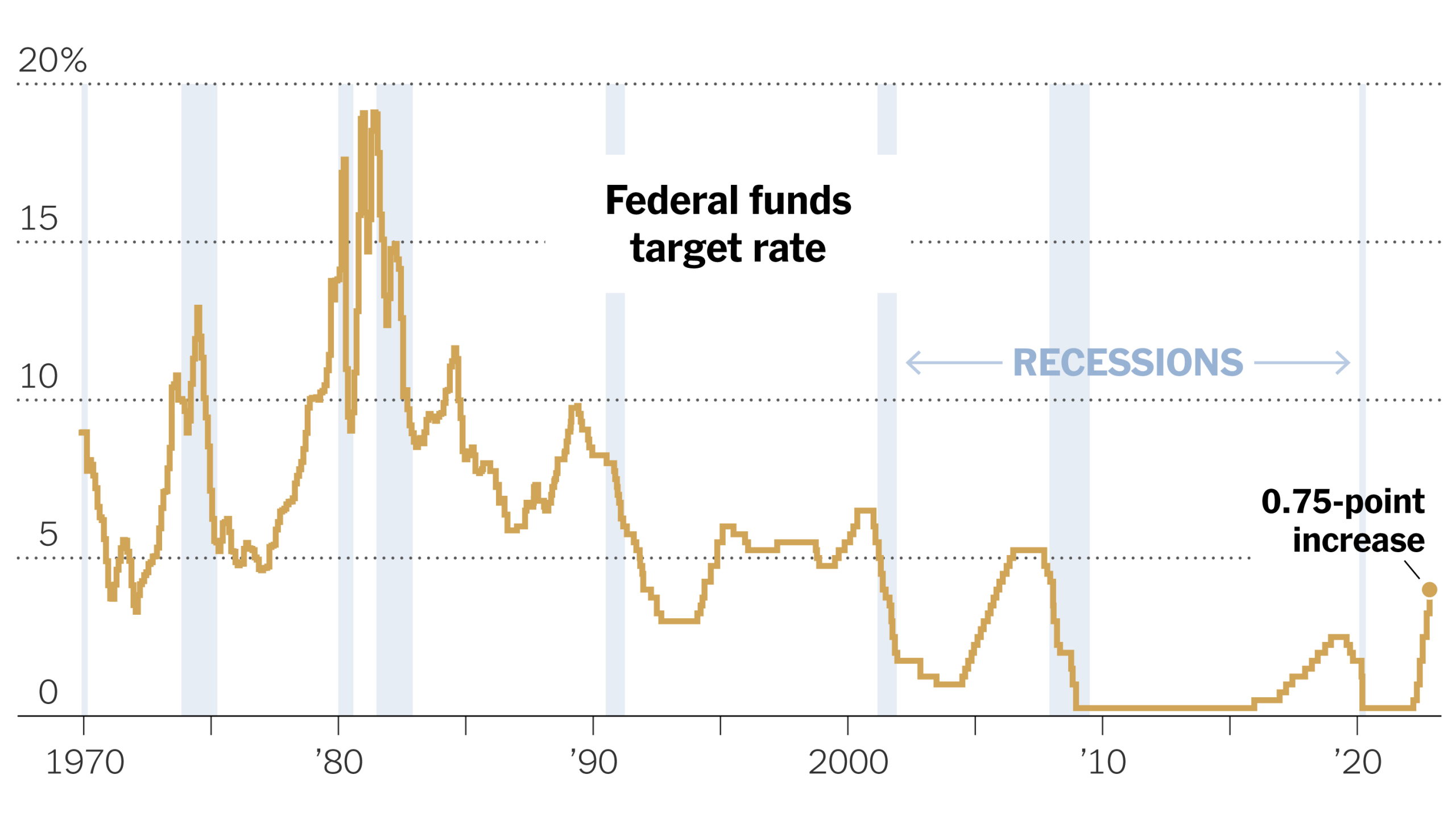
As we look at long-term interest rate trends, attention must be placed on forecasts that extend to 2027 and beyond. J.P. Morgan’s insights suggest a tightening monetary policy that could have implications for economic recovery and growth rates. Studying past trends helps predict potential patterns that could emerge in response to upcoming interest rate changes.
Understanding long-term trends not only aids in investment decisions but also in economic planning at larger scales. Businesses contemplating expansions or new financing arrangements will need to navigate the anticipated changes in interest rates skillfully to capitalize on available opportunities.
Preparing for Interest Rate Changes in the Real Estate Market
The real estate market is often sensitive to shifts in interest rates, and recent forecasts from J.P. Morgan highlight this critical relationship. An increase in interest rates can lead to a decrease in affordability for homebuyers, impacting demand and potentially slowing down market growth. Understanding these dynamics is essential for anyone involved in the real estate market, from buyers to investors.
As homes become more costly to finance, it may lead to a cooling period in the housing market, prompting stakeholders to consider alternative strategies. Monitoring these changes will be essential for navigating potential downturns or seizing opportunities before the market corrects itself.
The Correlation Between Fed Policies and Market Sentiment
The correlation between Federal Reserve policies and market sentiment is a key topic of interest among economists and investors alike. J.P. Morgan’s revised interest rate forecasts can heavily influence how businesses and consumers perceive the future economic landscape. A clear understanding of this relationship equips market participants with the foresight necessary to adapt to changing conditions.
Market sentiment often shifts with the Fed’s announcements regarding interest rates, affecting investment behavior and consumer spending. Stakeholders should remain vigilant, as changes in sentiment can quickly translate into changes in economic activity, further influenced by the preceding rate forecasts from institutions like J.P. Morgan.
Frequently Asked Questions
What is the current J.P. Morgan interest rate forecast for the Federal Reserve?
J.P. Morgan recently adjusted its forecast for the Federal Reserve’s interest rates, indicating that it no longer expects the Fed to cut rates in 2026. Instead, the bank anticipates a potential increase in rates by 25 basis points in the third quarter of 2027.
How do Federal Reserve interest rates affect the economic outlook in 2026 and 2027?
The Federal Reserve interest rates play a crucial role in shaping the economic outlook. As J.P. Morgan predicts no cuts in 2026 but a possible rate hike in 2027, higher interest rates could lead to increased borrowing costs, affecting consumer spending and investment.
Will there be a Federal Reserve rate hike before 2027?
According to J.P. Morgan’s latest forecast, a Federal Reserve rate hike is expected by the third quarter of 2027, with a possible increase of 25 basis points. This projection suggests that the Fed may continue to tighten monetary policy in response to economic conditions.
What implications do higher Federal Reserve interest rates have for borrowers?
Higher Federal Reserve interest rates can lead to increased costs for borrowers, as loans become more expensive. J.P. Morgan’s forecast of a rate hike in 2027 means that consumers and businesses may face higher mortgage and loan rates, affecting their financial decisions.
How are interest rates for 2026 and 2027 projected to change?
J.P. Morgan projects that there will be no cuts to interest rates in 2026, contrary to previous expectations. Instead, a Federal Reserve rate hike of 25 basis points is anticipated in the third quarter of 2027, reflecting ongoing adjustments to economic conditions.
What factors could influence future Federal Reserve interest rates through 2027?
Future Federal Reserve interest rates will be influenced by various factors, including inflation, employment data, and overall economic growth. As seen in J.P. Morgan’s forecast, these elements guide the Fed’s decisions regarding rate hikes or cuts in the coming years.
| Key Point | Details |
|---|---|
| J.P. Morgan’s Interest Rate Forecast | No expected rate cut in 2026; previously anticipated a 25 basis point cut in January. |
| Future Rate Increase | An expected increase of 25 basis points in Q3 2027. |
Summary
Federal Reserve interest rates are a critical aspect of economic policy, and recent predictions from J.P. Morgan indicate a significant shift in expectations. After initially forecasting a 25 basis point cut in January 2026, J.P. Morgan now believes the Federal Reserve will not decrease rates next year. Instead, they project an increase of 25 basis points during the third quarter of 2027, highlighting the evolving landscape of monetary policy.
Related: More from Market Analysis | PayPal USD Powers New PYUSDx App | Pantera and Franklin Test Sentient AI Agent