


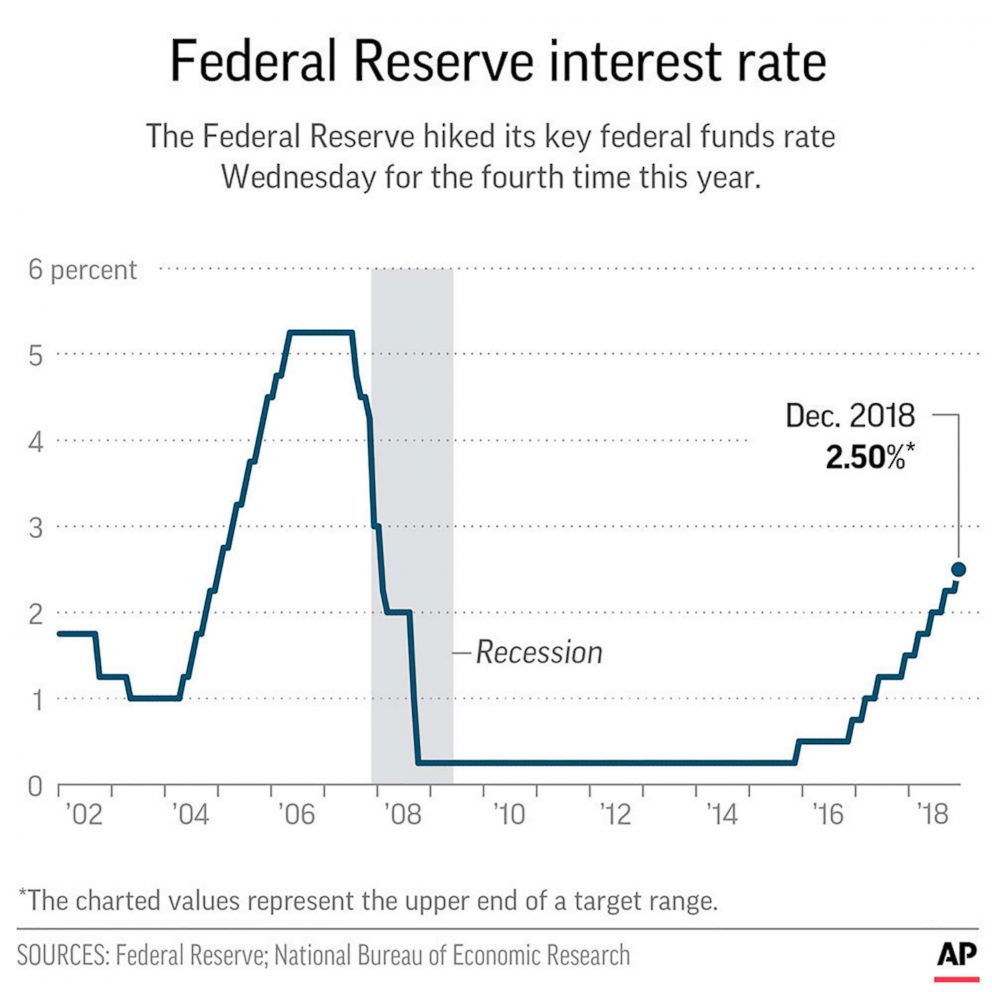

Federal Reserve interest rates play a crucial role in shaping the financial landscape of the United States, influencing everything from mortgage rates to savings yields. As January approaches, the latest interest rates forecast indicates an 85.1% probability that the Fed will keep rates unchanged, which has significant implications for consumers and businesses alike. In contrast, the Fed interest rates update suggests a 14.9% chance of a 25 basis point cut, signaling a slight shift in market expectations. Furthermore, analysts are closely monitoring interest rate cut probabilities for March, where expectations suggest a 51.2% likelihood of a reduction. The CME FedWatch predictions will be key to understanding how these dynamics evolve and what they mean for the economy ahead.

The Federal Reserve’s actions regarding its key lending rates have far-reaching consequences for economic stability and growth. In the upcoming January interest rate decision, the likelihood of rates being held steady is significantly high, reflecting cautious optimism in the markets. As discussions swirl around potential changes, the scrutiny on interest rate cut probabilities reveals an evolving narrative that investors must consider carefully. With reports from the CME FedWatch platform highlighting various outcomes, stakeholders are keen to understand the implications of possible adjustments. Overall, the Fed’s strategies greatly influence lending patterns and consumer behavior, making it a pivotal topic for financial discourse.
Understanding the Federal Reserve’s Interest Rates Update
The Federal Reserve’s interest rates play a critical role in shaping the economic landscape of the United States. As of January, there is a significant likelihood of the Fed keeping the current rates unchanged, with a probability estimated at 85.1%. This decision directly reflects the Fed’s response to various economic indicators, such as inflation rates, employment levels, and overall economic growth. Analysts and economists closely watch these updates, as they provide insight into the central bank’s policy direction and its impact on consumers and businesses alike.
The latest CME FedWatch predictions bolster the view that a rate cut is unlikely in January, with only a 14.9% chance of a reduction. Such probabilities are derived from market expectations and economic forecasts, emphasizing the cautious approach the Federal Reserve is adopting. Investors and market participants must stay informed of these predictions to understand how they might influence financial markets, mortgages, and credit conditions.
Interest Rate Forecast: What to Expect in 2026
As we look beyond January, the interest rate forecast signals potential changes. By March, the probabilities indicate a 51.2% chance of a 25 basis point cut. This shift highlights the dynamic nature of the Federal Reserve’s approach to interest rates. If economic conditions like inflation or GDP growth slow down, the Fed may find itself compelled to lower rates to spur economic activity, which underscores the importance of closely monitoring economic data leading up to the March meeting.
Moreover, understanding the likelihood of an interest rate cut is crucial for consumers and investors. It can impact decisions ranging from home purchases to stock market investments. With a 42.8% probability of maintaining current rates and a 5.9% chance of a more substantial 50 basis point cut, stakeholders must prepare for various outcomes. Keeping abreast of the changing landscape of interest rates allows individuals to make informed financial choices.
The Role of Market Predictions in Fed Interest Rate Decisions
Market predictions, particularly those from the CME FedWatch tool, are indispensable for understanding the Federal Reserve’s decision-making process regarding interest rates. These predictions allow economists and investors to gauge the market sentiment around potential rate changes. With a current consensus pointing towards the Fed keeping interest rates steady in January, stakeholders are adjusting their expectations and strategies in reaction to the 85.1% probability that rates will not shift.
Furthermore, the implications of these market predictions extend beyond mere probabilities. They impact the broader economic climate, influencing consumer confidence, investment strategies, and even global markets. As investors interpret the Fed’s likely moves, there is a ripple effect priced into stocks, bonds, and other financial instruments, exemplifying how closely intertwined economic policy and market behavior truly are.
January Interest Rate Decision: Analysis and Impact
The January interest rate decision by the Federal Reserve is pivotal, as it sets the tone for monetary policy throughout the year. With an 85.1% chance of no changes to the current rates, this decision indicates the Fed’s current priority is stability in an evolving economic environment. Such a choice usually signals confidence in the economy’s strength, reflecting solid growth and controlled inflation.
However, with emerging market challenges and shifting economic indicators, the Fed must also weigh potential economic slowdowns. The split percentages, with only a 14.9% likelihood of a rate cut, indicate that the central bank remains cautious but aware of the need to adapt if circumstances change. Should rates remain unchanged, consumers may experience stability in loan and mortgage rates, benefiting overall economic activity.
Interest Rate Cut Probabilities: Future Implications
Interest rate cut probabilities signal how the Federal Reserve is likely to respond to changing economic conditions. With a cumulative probability of 51.2% for a 25 basis point cut by March, many analysts are beginning to position themselves for a potential shift in the monetary landscape. Such cuts could serve as a stimulus for economic activity, encouraging borrowing and spending, which are critical during periods of sluggish growth.
Nonetheless, the prospect of rate cuts comes with its own set of risks and benefits. For example, while a lower interest rate could invigorate the economy, it may also signal underlying economic weakness, compelling consumers to remain cautious. Stakeholders must remain vigilant of these developments, understanding that the Fed’s actions lead to significant consequences in personal finances and investment strategies.
The Importance of Staying Informed on Interest Rates
Being informed about interest rates is vital for consumers and investors, particularly in today’s fast-paced financial environment. The Federal Reserve’s decisions affect everything from savings accounts to mortgages and business loans. As the January interest rate decision approaches, it’s crucial for individuals to stay updated on the latest forecasts and market predictions, such as those compiled by CME FedWatch.
By understanding the probabilities, individuals can prepare their financial strategies accordingly. Whether it’s locking in a fixed mortgage rate or timing investments in equities, awareness of these interest rate movements can lead to more informed decisions and potentially greater financial stability.
Analyzing Federal Reserve’s Influence on the Economy
The Federal Reserve’s interest rate policies have profound implications for economic growth and stability. By adjusting the rates, the Fed aims to regulate the money supply, influencing inflation and employment levels. An interest rate held steady may reflect the Fed’s confidence in economic robustness. With an 85.1% chance of maintaining rates in January, this indicates that the central bank feels there is enough momentum within the economy to prevent immediate adjustments.
Conversely, the Fed’s decisions are not made in isolation; they interact with global economic trends and domestic challenges. Understanding the broader context helps individuals appreciate the reasons behind each interest rate decision and how they could affect their finances. This understanding is key to preparing for a future where these rates might shift, whether in response to economic needs or external pressures.
How Interest Rates Affect Personal Finance Choices
Interest rates play a fundamental role in personal finance decisions. A significant aspect of financial planning involves understanding how different rates affect savings, investments, and expenditures. With the Federal Reserve maintaining an 85.1% probability of keeping rates constant in January, individuals and families can develop strategies that take advantage of the current borrowing climate.
On the other hand, the likelihood of future rate cuts, with probabilities suggesting a 51.2% chance of a 25 basis point decrease by March, also calls for reevaluation of financial approaches. Potential rate cuts could offer lower borrowing costs, prompting consumers to consider actions like refinancing their mortgage or taking on new loans to finance major purchases. Staying informed allows for proactive financial management and maximizes the benefits of prevailing interest environments.
Navigating the Economic Landscape Post-Interest Rate Decisions
Navigating the economic landscape following interest rate decisions requires agility and foresight. As the Federal Reserve’s January meeting approaches, the combined probabilities reflect a crucial precedent towards how monetary policy will influence economic growth in 2026. The certainty that comes with an 85.1% probability of no change can provide reassurance to consumers and investors alike.
However, remaining adaptable is key. Opportunities may arise from changing financial conditions, especially if rates are adjusted in subsequent meetings. Individuals should actively track updates regarding the Fed’s interest rate forecasts and be prepared to adjust their strategies as the monetary policy landscape evolves, aligning their financial decisions with current market conditions and future expectations.
Frequently Asked Questions
What is the current forecast for Federal Reserve interest rates in January?
The current forecast for Federal Reserve interest rates in January indicates an 85.1% probability that the Fed will keep interest rates unchanged. This is based on the latest data from CME FedWatch.
What are the odds of the Federal Reserve making an interest rate cut in January?
According to CME FedWatch predictions, there is a 14.9% probability that the Federal Reserve will cut interest rates by 25 basis points in January.
How likely is it that the Federal Reserve will change interest rates by March?
By March, the cumulative probabilities indicate a 51.2% chance of a 25 basis point rate cut, while the likelihood of maintaining interest rates is 42.8%, and a 50 basis point rate cut stands at 5.9%.
What are the latest updates on Fed interest rates?
The latest updates indicate that as of now, there is an 85.1% probability of the Federal Reserve maintaining current interest rates in January, with future forecasts suggesting varying probabilities of rate cuts by March.
Where can I find information on interest rate cut probabilities by the Federal Reserve?
Information on interest rate cut probabilities by the Federal Reserve can be found on financial news platforms and the CME FedWatch tool, which provides real-time forecasts on interest rate decisions.
| Interest Rate Action | Probability (%) |
|---|---|
| Keep rates unchanged | 85.1 |
| Lower rates by 25 basis points | 14.9 |
| Cumulative probability of a 25 basis point rate cut by March | 51.2 |
| Cumulative probability of keeping rates unchanged by March | 42.8 |
| Cumulative probability of a 50 basis point rate cut by March | 5.9 |
Summary
Federal Reserve interest rates are pivotal in shaping the economic landscape, and current forecasts imply a high likelihood of the Federal Reserve maintaining interest rates in January at 85.1%. Meanwhile, the chance of a 25 basis point cut is significantly lower at 14.9%. As we approach March, the cumulative probabilities suggest an increasing chance of a future rate cut, highlighting the Fed’s cautious stance while navigating economic conditions.